

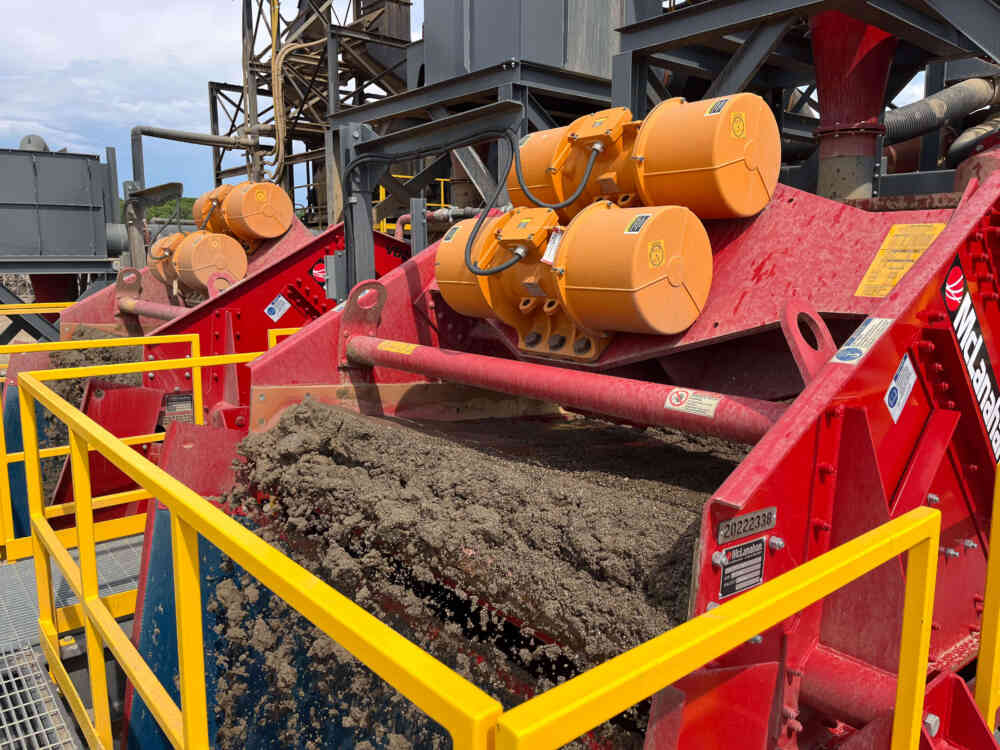
Dewatering is more than just removing water, it’s an essential step in running a profitable and efficient aggregate operation. By separating solids from liquid, producers can lower product moisture, recover process water for reuse and streamline many aspects of their workflow. Below are seven ways dewatering can improve aggregate applications across the industry.
1. Produce a Drier, Market-Ready Product
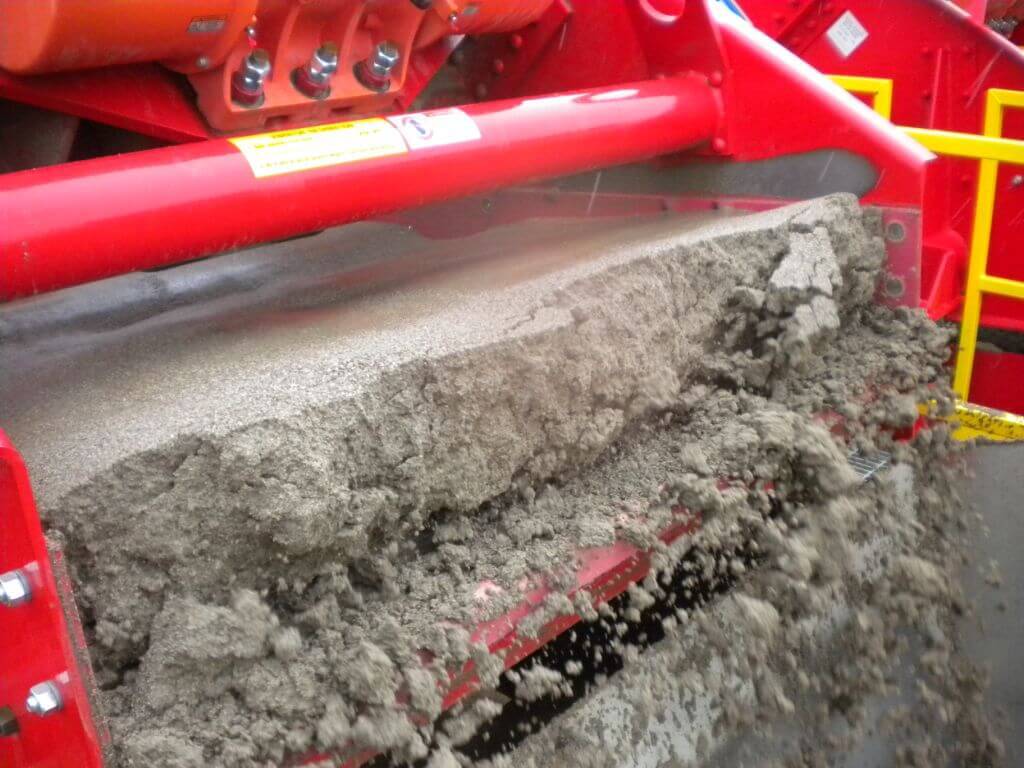
A primary benefit of dewatering is a significantly drier final product. Reducing surface moisture means sand or gravel can be conveyed, stacked and loaded almost immediately instead of sitting in stockpiles to drain. Faster turnaround shortens inventory cycles and helps meet tight delivery schedules. For producers who sell by weight, less water in each load ensures customers are paying for material, not excess moisture.
2. Cut Transportation and Handling Costs
Every extra gallon of water adds weight, which increases hauling expenses and fuel consumption. Drier material is easier and cleaner to handle at transfer points and during stockpiling, reducing spillage and cleanup needs. Over time, these factors add up to noticeable savings on transportation, equipment wear and operating costs.
3. Improve Stockpile Management
Water-heavy material can create unstable or sprawling stockpiles that take up valuable yard space and increase runoff risks. Dewatering produces a more stable, compact pile that holds its shape and drains minimal water. This improves site organization, reduces environmental concerns from pooling or runoff and enhances safety for equipment operators working around the piles.
4. Enhance Product Quality and Consistency
Moisture content directly affects gradation and can lead to segregation of fine and coarse particles. When material is too wet, fines may clump or shift, creating inconsistencies. By controlling moisture through dewatering, producers can maintain a uniform product that consistently meets customer specifications without additional blending or reprocessing.
5. Reduce Settling Pond Load and Maintenance
Settling ponds are vital for water management but can be costly to maintain and require periodic dredging to remove accumulated fines. Effective dewatering captures solids before they reach the pond, reducing the volume of material that settles out and extending the time between cleanouts. This helps lower the need for heavy equipment, labor, and downtime for pond maintenance.
6. Save Space and Optimize Equipment Use
Because dewatering systems can be configured to handle multiple product streams, operations may require fewer machines and a smaller footprint. This flexibility helps conserve plant space and can reduce capital and maintenance costs. Efficient use of equipment is particularly valuable when plant expansion is limited or when producers want to increase capacity without a large facility overhaul.
7. Recover and Reuse Water
In a cost-conscious and environmentally aware industry, water recovery is one of the most important benefits. The water removed during dewatering can often be returned to the washing circuit, lowering freshwater demand and helping operations meet environmental regulations. Recycling process water supports sustainability goals and reduces expenses tied to sourcing and treating water.
The Strategic Payoff of Dewatering
Dewatering is far more than an end-of-line step. It can cut costs, improve product quality, reduce environmental impact and keep aggregate operations running efficiently. Whether you’re processing sand, gravel or other aggregates, incorporating effective dewatering practices can help you get the most value from every ton of material.
By investing in the right dewatering equipment and strategies, producers can unlock new efficiencies across their entire operation. Whether it is faster loadout times, reduced wear on machines or lower water usage, these advantages are crucial to stay ahead in a competitive market. Dewatering is not just a technical upgrade, it is a strategic move towards a much more profitable and sustainable future.


