Frac Sand

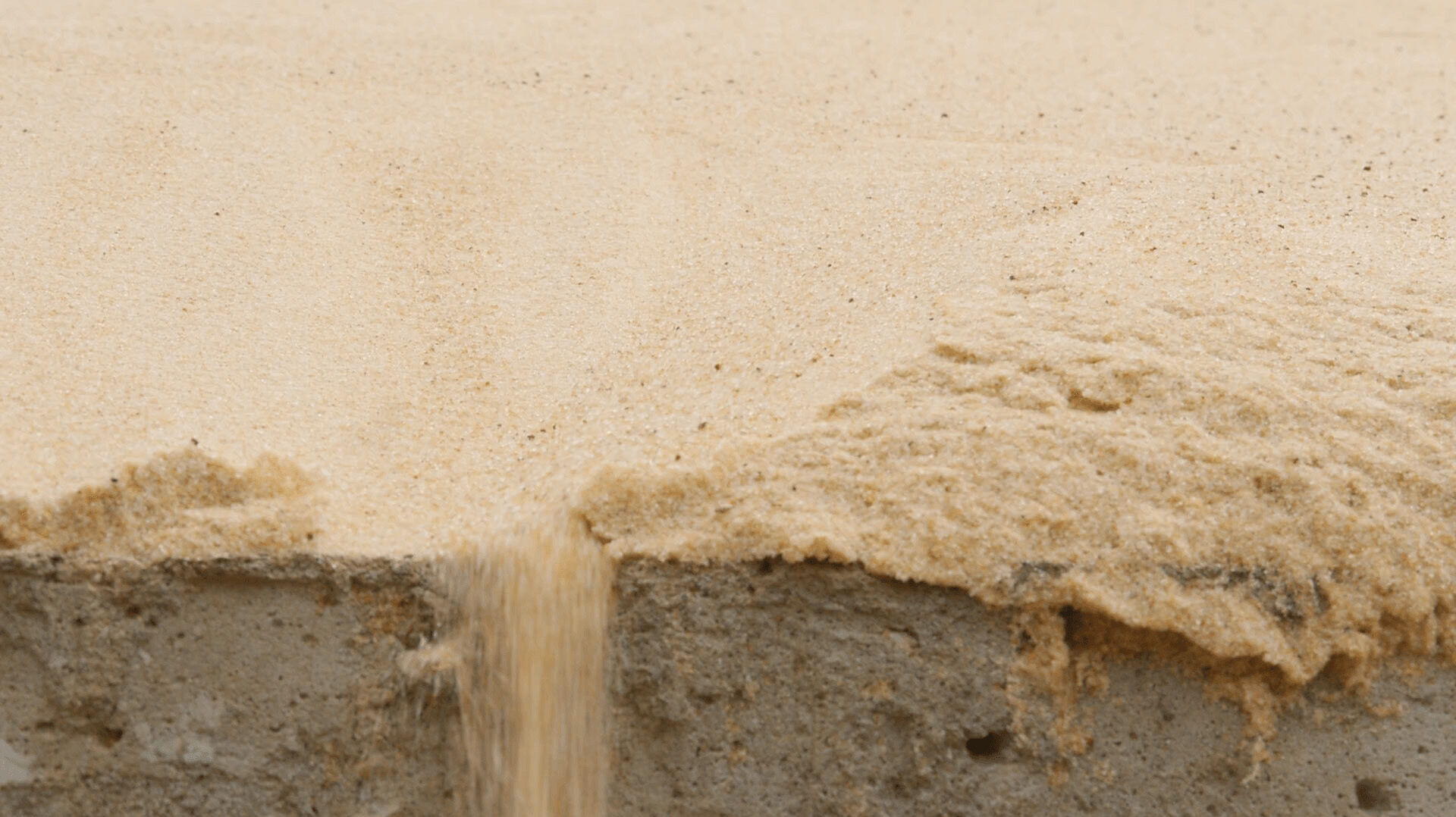
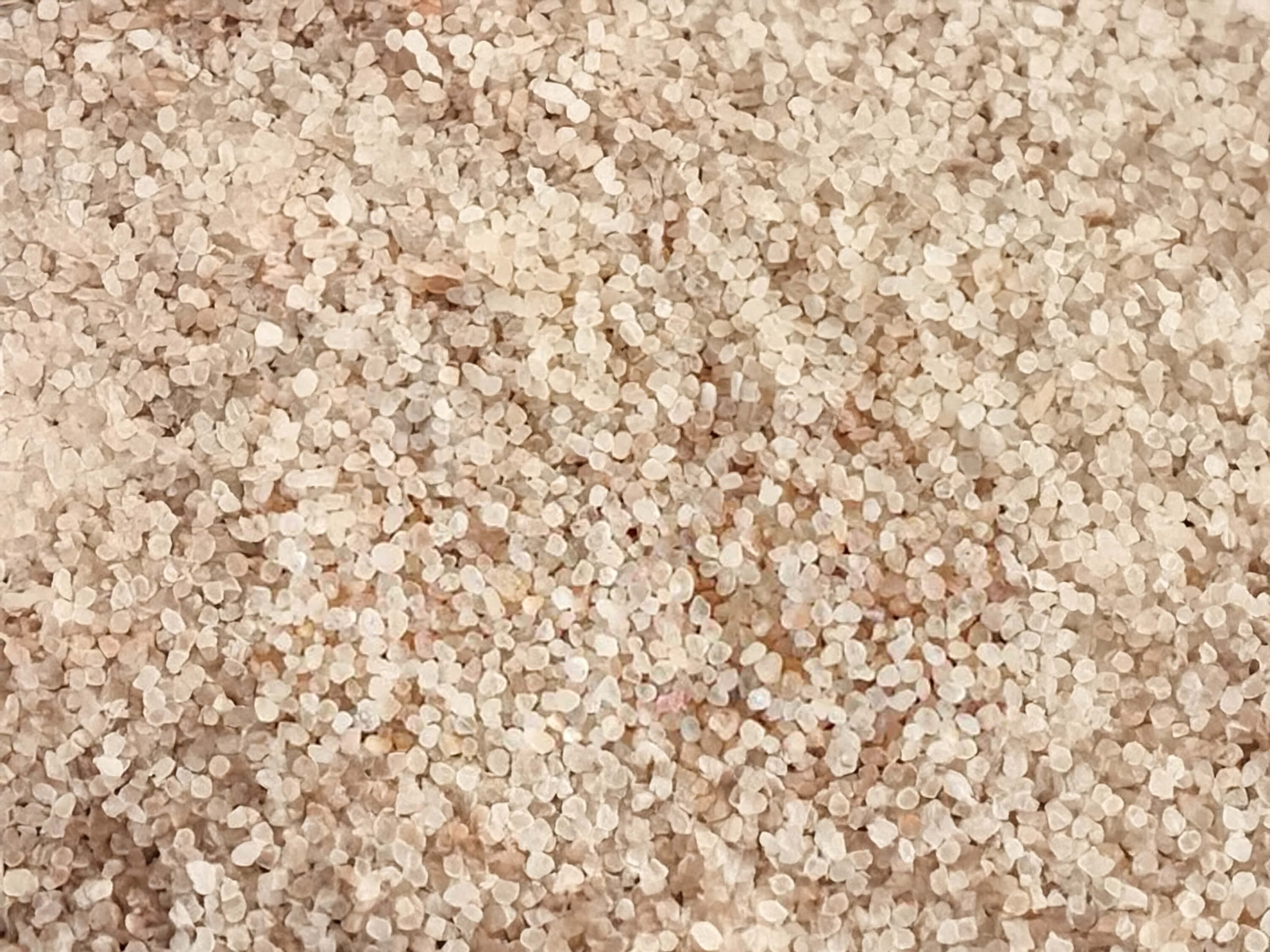
Frac sand is a high-quality quartz sand that contains high traces of silica (SiO2). It is characterized by a well-rounded shape, and its purity and uniform sizing make for excellent use in the hydraulic fracturing process – more commonly known as fracking. Frac sand grains can withstand high pressures, as well as high temperatures, allowing the material to maintain its integrity throughout the fracking process. McLanahan can help producers to ensure the frac sand delivered is a high-quality, clean and uniform product to maximize proppant performance.
What is the use of Frac Sand?

Frac sand is used as a proppant – a solid material that aims to ensure hydraulic fractures remain open so that natural gas or oil can be extracted from underground reservoirs. Keeping these fractures (commonly known as fissures) open throughout the fracking process can significantly enhance the extraction volume. Frac sand contains several properties that make it suitable for use in the frac sand industry, such as its ability to assist with well stabilization, shape, permeability and thermal stability.

Proppant

Well Stabilization

Frac sand particles need to be able to hold their integrity to keep fractures open. This means particles need to be high-quality sand with consistent size and shape and able to withstand high pressures.

Shape

Ideal frac sand shape is defined by roundness and texture. Particles that are spherical in shape pack easier than irregular-shaped grains, creating a better flow and improving the efficiency of the fracking process. Smooth particles are preferred over rough particles as there is less abrasiveness and the particles flow better through the fractures.

Permeability

Permeability refers to the ability for liquids to flow freely through the frac sand into the fractures. Sand particle size affects permeability and the grain size distribution. Uniform particles are ideal for this process.

Thermal Stability

Frac sand particles should be able to maintain their chemical and physical properties under high-pressure, high-temperature conditions often found in underground gas and oil reservoirs.

How is frac sand produced?

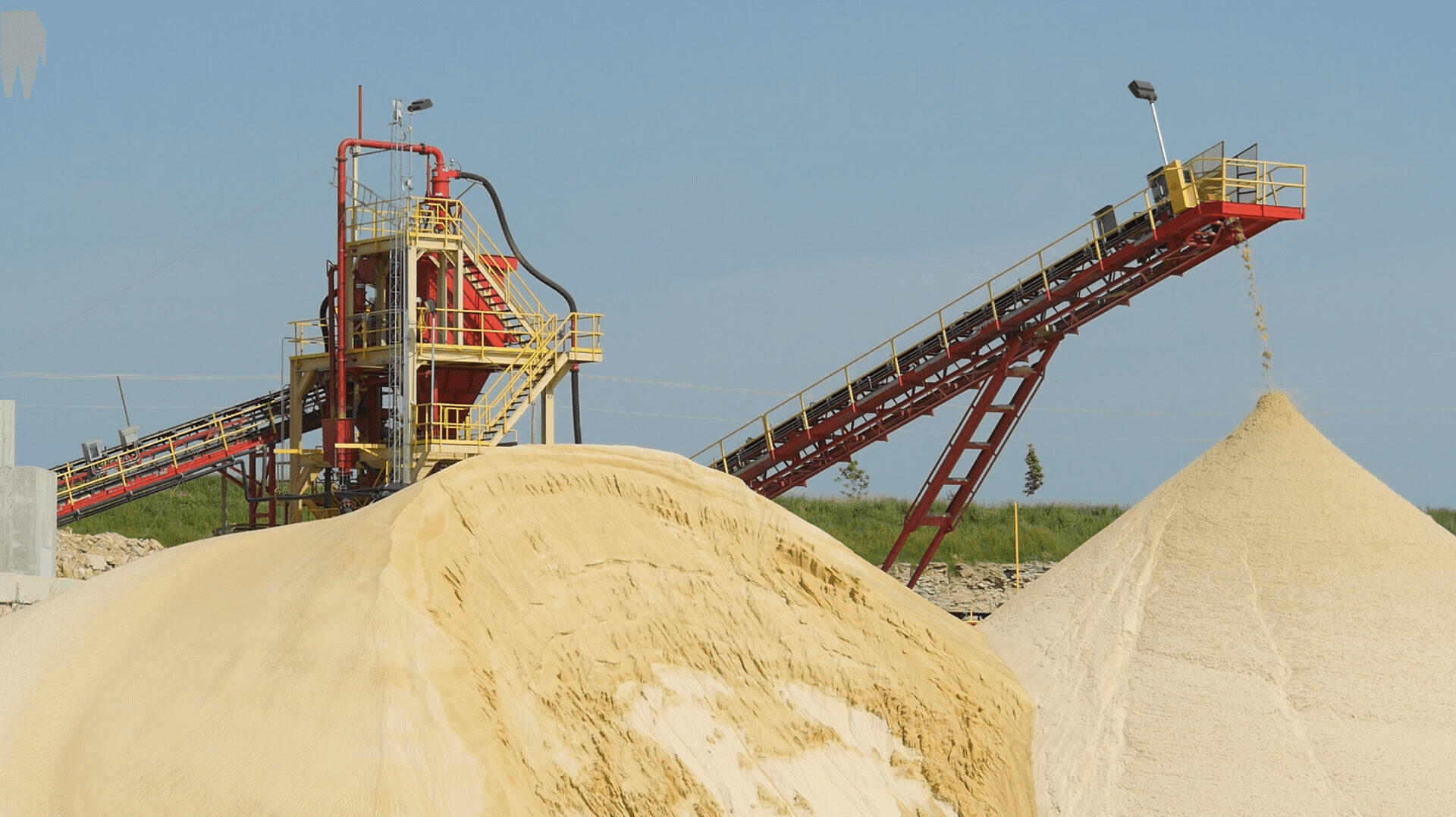
Frac sand is mined from sandstone deposits that contain a high silica content. Once extracted from the earth, the sands are washed to remove impurities, sorted for uniformity of size and then dried. From here, the dried frac sand is then transported to drilling sites. Frac sand is mixed with water and other chemicals, then pumped at high pressure into the well, where it is injected into fissures. Read more about Frac Sand production in our case study with Smart Sand.

POPULAR QUESTIONS

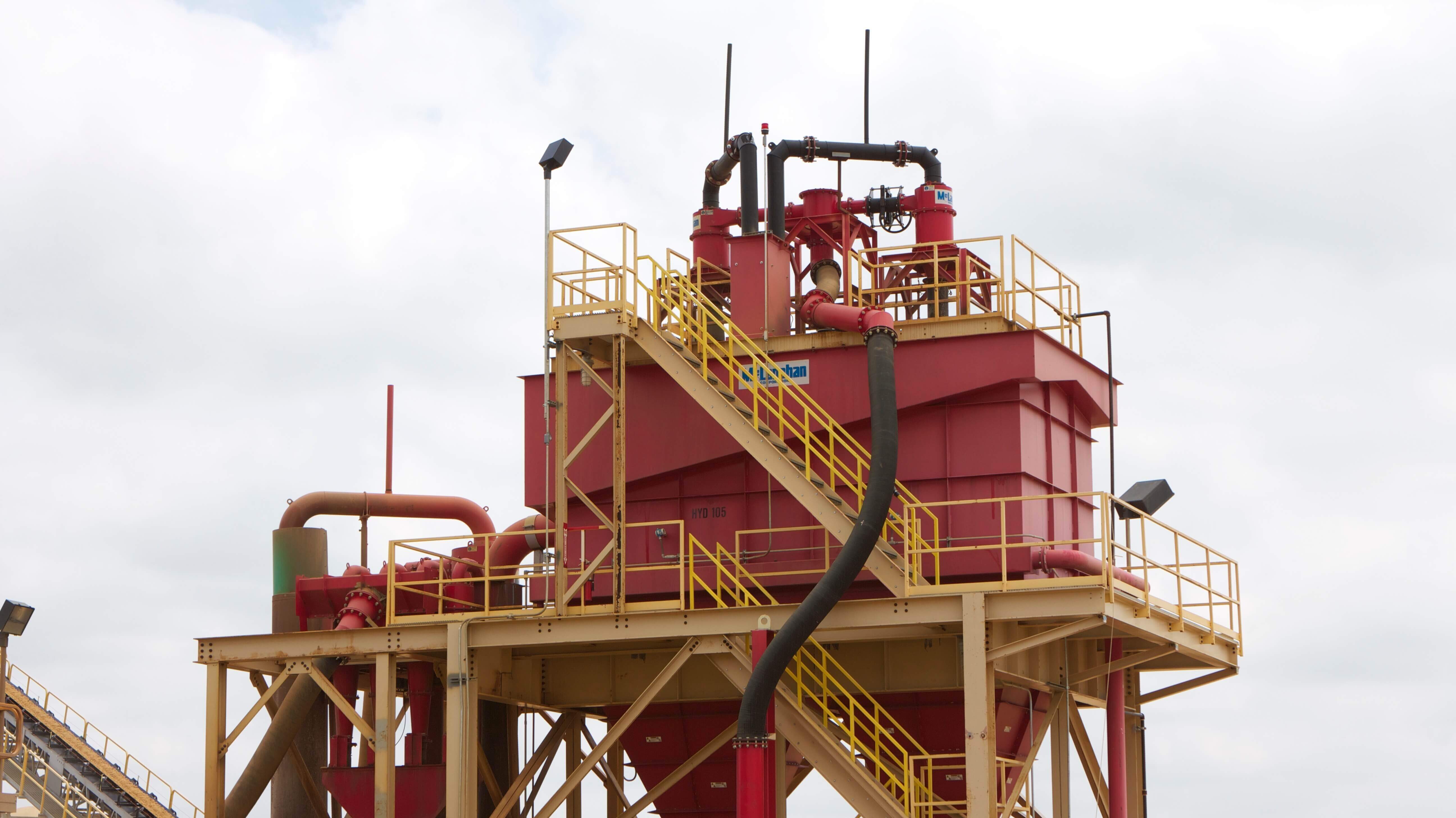
Taylor Frac Plant

What types of equipment is used to process frac sand?

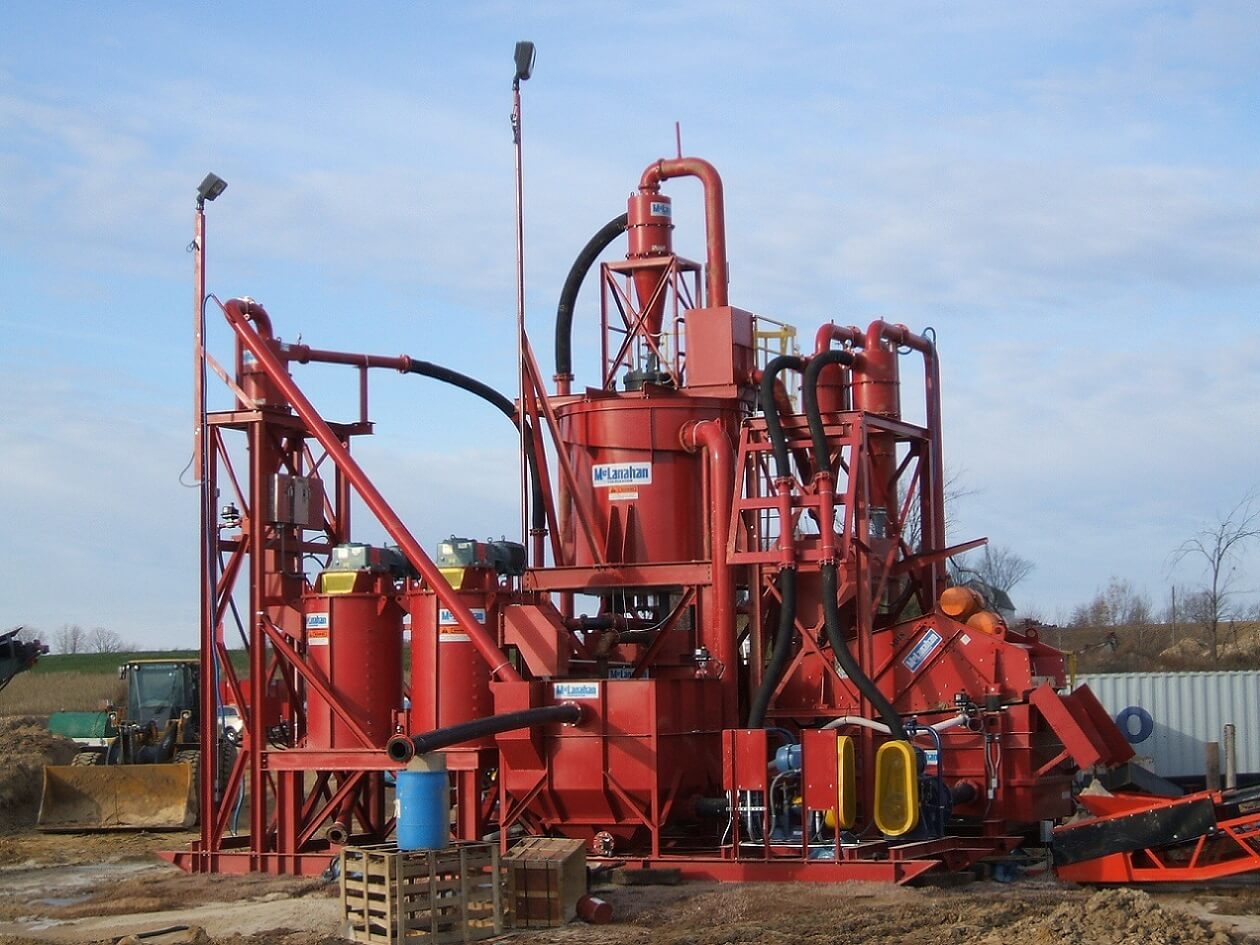
Equipment such as sand washing plants, hydrocyclones, classifiers, vibratory and dewatering screens are used for processing frac sand.

P11307780

What qualifies as frac sand?

Sand grains must be round and spherical in shape, can resist crushing and should be free of impurities.

P11307930

Where is frac sand found?

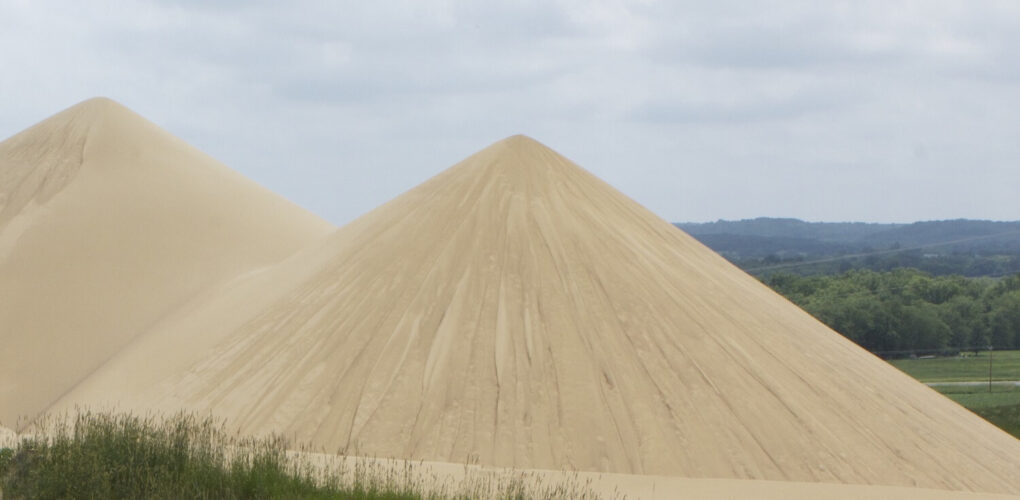
Frac sand is extracted from sandstone deposits around the globe, with high concentrations located across Midwestern U.S.

A.F. Gelhar Finds Frac Sand Mining Success With Help From McLanahan Corporation

Learn More

Benefits of Working With McLanahan in Frac Sand

Ultra Fines Recovery Plant with pile of dried sand

Size frac sand to meet tight tolerances

Frac sand has strict tolerances to ensure uniform shape, size and purity. McLanahan can help meet these tolerances with a series of scrubbing, washing and classifying equipment.

Scrubbing can help to achieve a cleaner final product with less fines. Cleaner particles ensure a higher quality proppant with fewer impurities and help to maintain the structural integrity of the particles through the fracking process.

Improve frac sand durability to withstand high-pressure crushing and extend life of the well with a high-quality proppant that performs efficiently under pressure.

Taylor Frac Sand Plant With Thickener

Meeting permitting requirements by eliminating tailings ponds

Disposing of waste by-products thoughtfully is now an ethical and legal requirement in many industries including the frac sand industry. Waste slurry can be smaller than minus 70 mesh (360 µm) and consist of fine sand, silts and clays.

McLanahan can help eliminate tailings ponds through reprocessing wastewater for use on site, reducing the storage of contaminants and saving money on transport and recycling fees.

McLanahan Thickeners can separate solids from liquids allowing for two separate process streams whereby solids can be dewatered and discarded, and liquids can be treated and reused on site and decrease costs associated with freshwater usage.

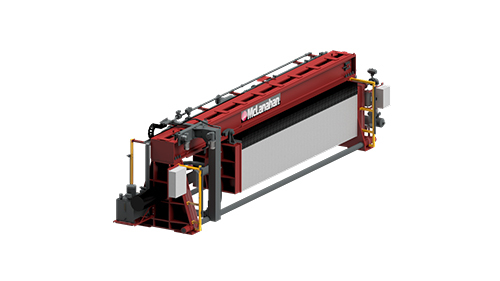
Equipment such as the McLanahan Filter Press can reduce moisture content, allowing for a drip-free, transportable cake that can be stacked and stored reducing the amount of space being occupied by tailings ponds.

Attrition Cells as part of a sand plant

Improved quality of the final product

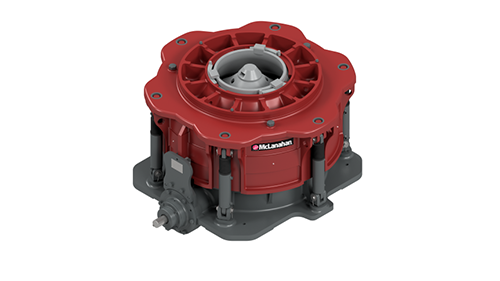
McLanahan can help liberate particles with the use of Attrition Cells and can improve turbidity through separating out clays and silts from the sand. Attrition Cells can break up clusters with low durability from entering further downstream processing, preventing clusters breaking apart due to high-pressure processing. Sand particles that contain fractures already have a lower durability – through utilizing an Attrition Cell, these particles can be omitted and only high-quality, durable particles remain.