Mining

Mining is essential to provide raw materials for construction activities, manufacturing, and energy production. Almost every product our society uses every day is the result of mining, including mobile phones, batteries, toothpaste and various medicines. Ores recovered in the mining process include coal, salt and potash, as well as metals like aluminum, gold and iron ore. Renewable energy minerals such as lithium, copper, cobalt, nickel and cadmium are also the result of mining.
What is the Mining Process?

Mining involves extracting valuable resources (the ore) from the earth through drilling, blasting, hauling, processing and refining geological materials. The mining process can be broken down into four stages – extraction, transportation, beneficiation and refining.

Extraction

The first step in the mining process is to extract the ore from the ground. There are four main types of mining for extraction – underground mining, open pit or surface mining, placer mining, and in-situ mining.

  • Underground Mining – Tunnels and shafts are created to reach deposits that are otherwise impossible to obtain.
  • Open Pit or Surface Mining – Heavy machinery and explosives are used to dislodge rock, soil and ore to expose deposits and veins. 
  • Placer Mining – Riverbeds and beaches are filled with rich mineral elements. These alluvial deposits are often processed using a combination of water and gravity. 
  • In-Situ Mining – Minerals are dissolved in water or a chemical solution that has been injected into the ore underground. The liquefied product is then pumped out of the ground to the surface for processing.

Transportation

Once the ore has been removed from the deposit, it is then transported to the preparation plant. Depending on the method of extraction, material haulage will vary. 

  • Underground mining – due to space restrictions, conveyor systems, trucks and loaders are used to bring material to the surface
  • Surface mining – usually involves shovels and large haul trucks to move ore and overburden
  • Placer mining – moving loose materials can be done with excavators, haul trucks, through dredging and bulldozers and scrapers
  • In-situ mining – materials are pumped to the surface from wells using submersible pumps or a series of pipework

Beneficiation

Upon arrival at the preparation plant, valuable mineral is separated from waste rock (also known as gangue). In this step, crushing, grinding, flotation, magnetic separation, gravity-based separation, or other processes will produce a concentrate that is sent on for further refinement and processing.

Beneficiation, therefore, helps to turn raw ore into a concentrated and high value product. By removing waste early on, the cost of transportation is reduced. Efficient separation also helps decrease the environmental impact and improves downstream processing.

Refining

When the concentrate leaves a mineral processing plant, it is ready for further refinement. This is done to remove any impurities that remain and ensure the mineral meets market standards. Refinement can be achieved through pyroprocessing or hydrometallurgy. The refinement process for each concentrate will vary depending on composition, gangue levels and the market standard required.

How Are Minerals Processed?

When mineral ores are extracted from the earth, they are transported to the processing plant. Mineral processing can involve many stages to separate valuable minerals from gangue. Some of these stages can include feeding, comminution, classification, scrubbing, concentration, dewatering, water recovery, and sampling all contribute to producing a high-quality, shippable product. 

Feeding

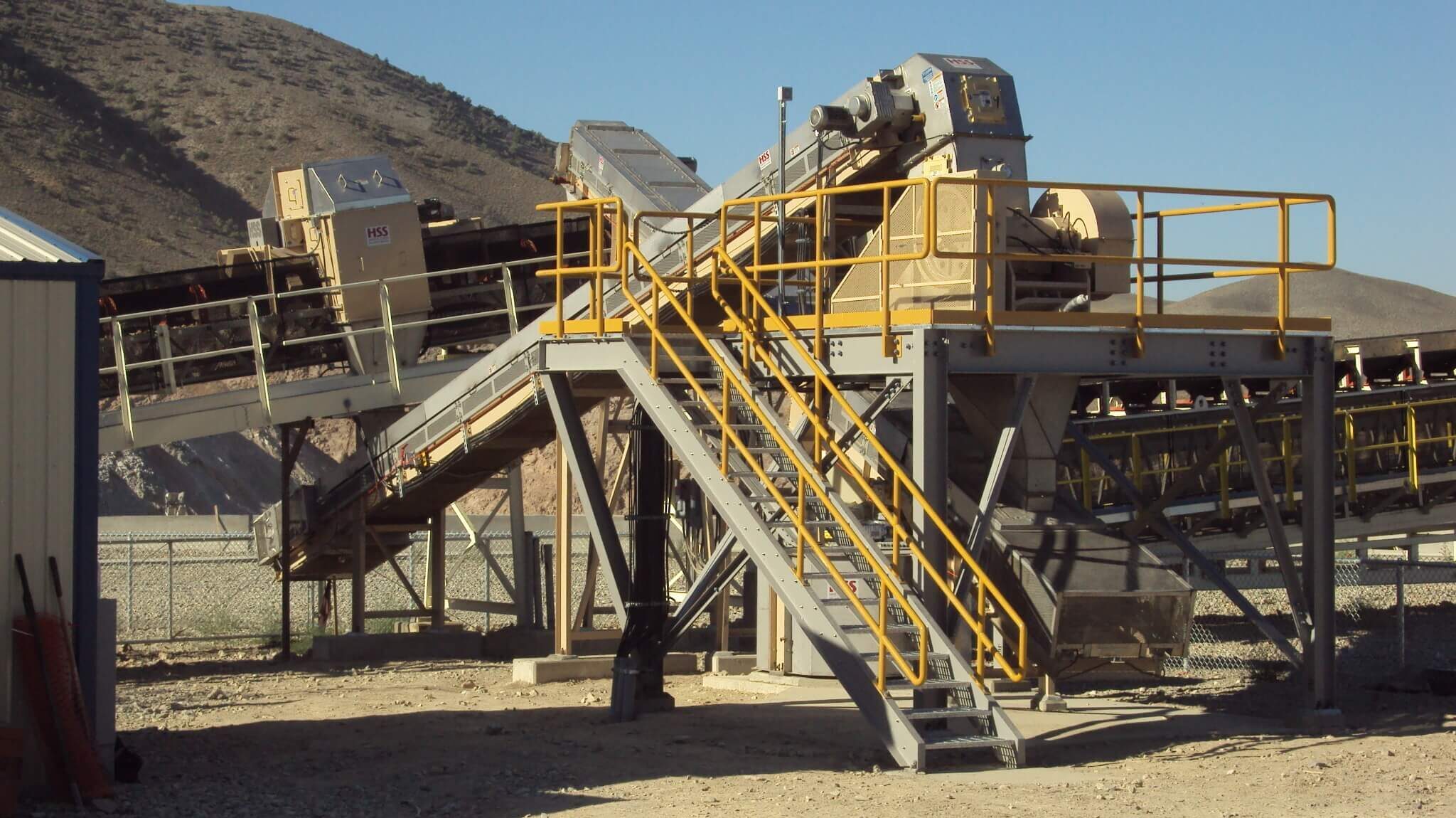
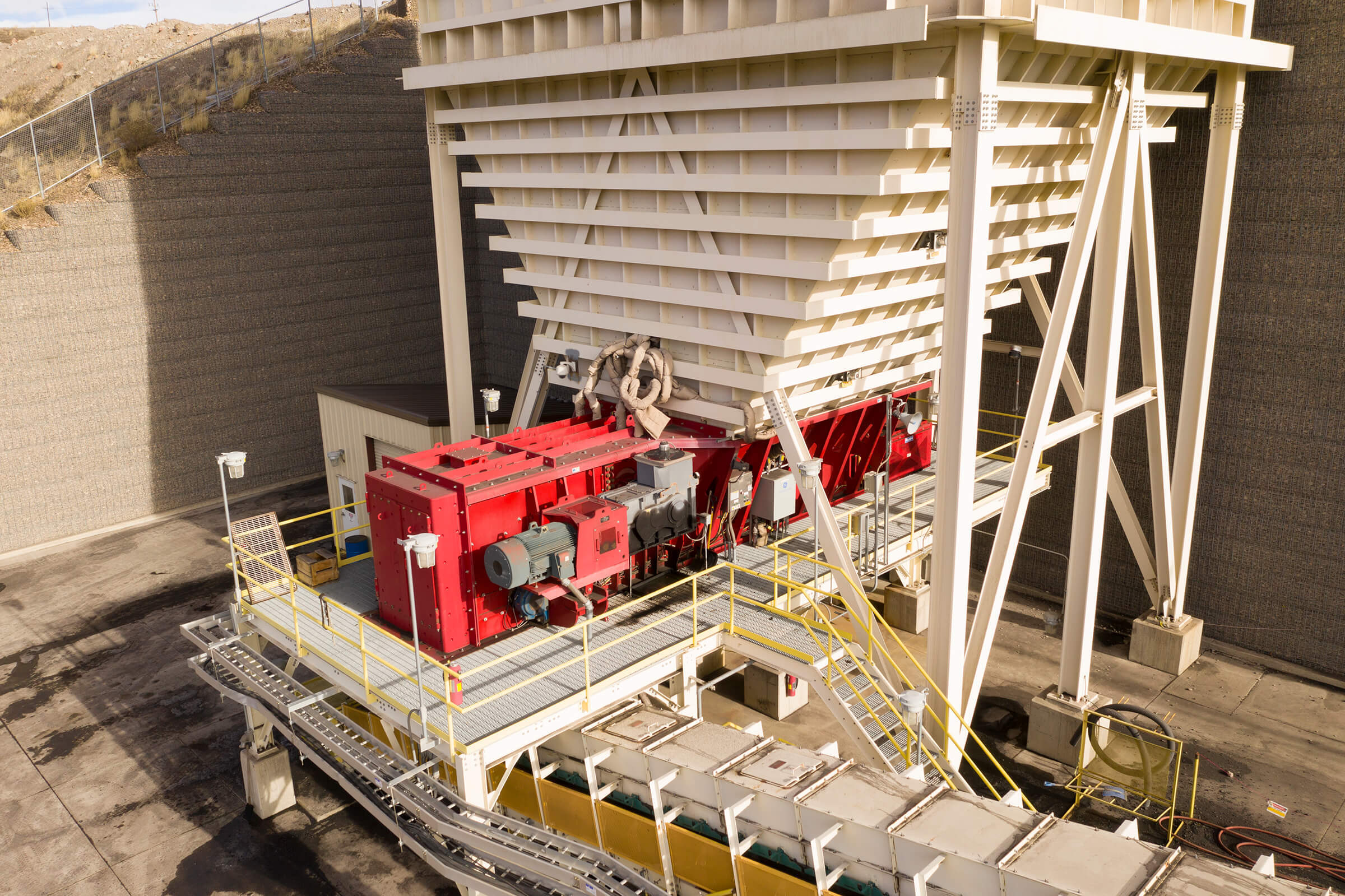
Feeding allows material to flow consistently from a hopper or bin to a downstream process. The correct feeder is determined by material characteristics, maximum particle size, flow properties and the desired output. McLanahan can supply a range of Feeders depending on application including Apron Feeders, Feeder-Breakers, Drag Feeders, Reclaim Feeders, Vibrating Grizzly Feeders and Wobbler Feeders.

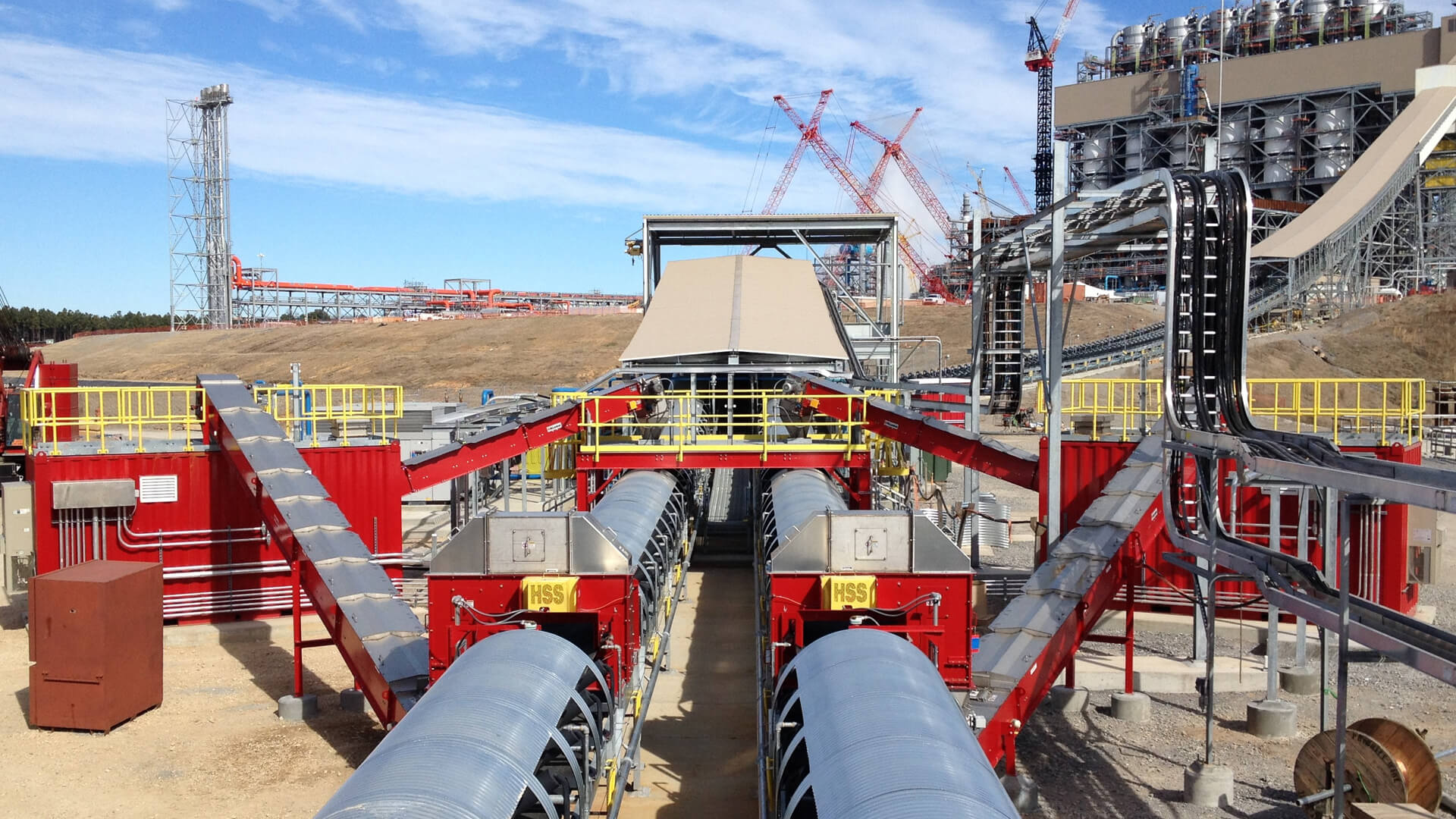
DJI 0093 1

Crushing (Size Reduction)

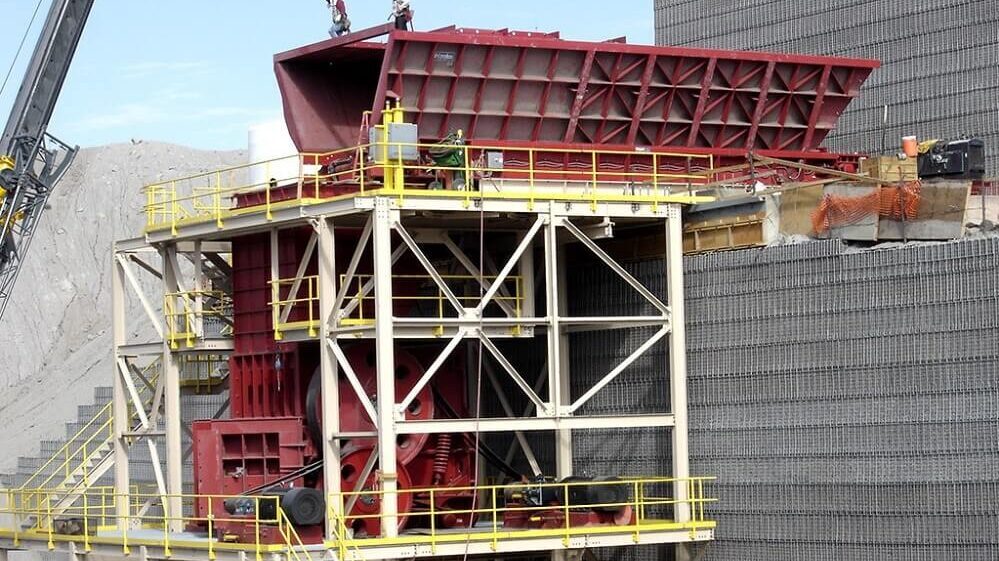
The initial stage in size reduction is the crushing of large rocks into smaller rocks. Crushing takes place in stages. These stages can include primary, secondary, tertiary and even quaternary crushing depending on the reduction ratio required. Cone Crushers, Jaw Crushers, Impact Crushers, Sizers, Roll Crushers, Rotary Breakers and Feeder-Breakers can reduce material to the desired size, achieving maximum tonnage with minimized wear.

To further reduce material size, grinding can be performed with equipment such as HPGRs, rod mills and ball mills to liberate minerals from gangue.

Screening and Classification

Once the mineral has been reduced in size, processing plants will often use a closed-circuit classification system to ensure particles meet size specifications for liberation before being sent on for further processing. Vibratory Screens, Hydrocyclones, Hydrosizers®, and other equipment can be used to perform classification, sending coarse particles back for further size reduction. Fine material from this step exits the classifier and flows on to concentration or separation processing.

Rotary Scrubber

Scrubbing

Scrubbing removes deleterious materials, sticky clays and other surface contaminants to purify or prepare particles for further processing. Through the process of scrubbing the ore, a new waste stream is created from the process water. Liberating gangue material from ore increases the ore value and can be achieved through a range of equipment including Rotary Scrubbers, Blade Mills, Log Washers and Attrition Cells for intense particle-on-particle scrubbing action.

Prony resources 4

Tailings and Concentrate Dewatering

The management of tailings and waste by-products ensures compliance with environmental regulations, as well as long-term storage and permitting requirements. The first stage in tailings management is typically dewatering the tailings stream. Thickening and filtration are two methods of dewatering that can be used in this early process. Both of these processes allow for the recovery of water that can be reused in the plant and also produce thickened or filtered tailings to be sent for ultimate storage. 

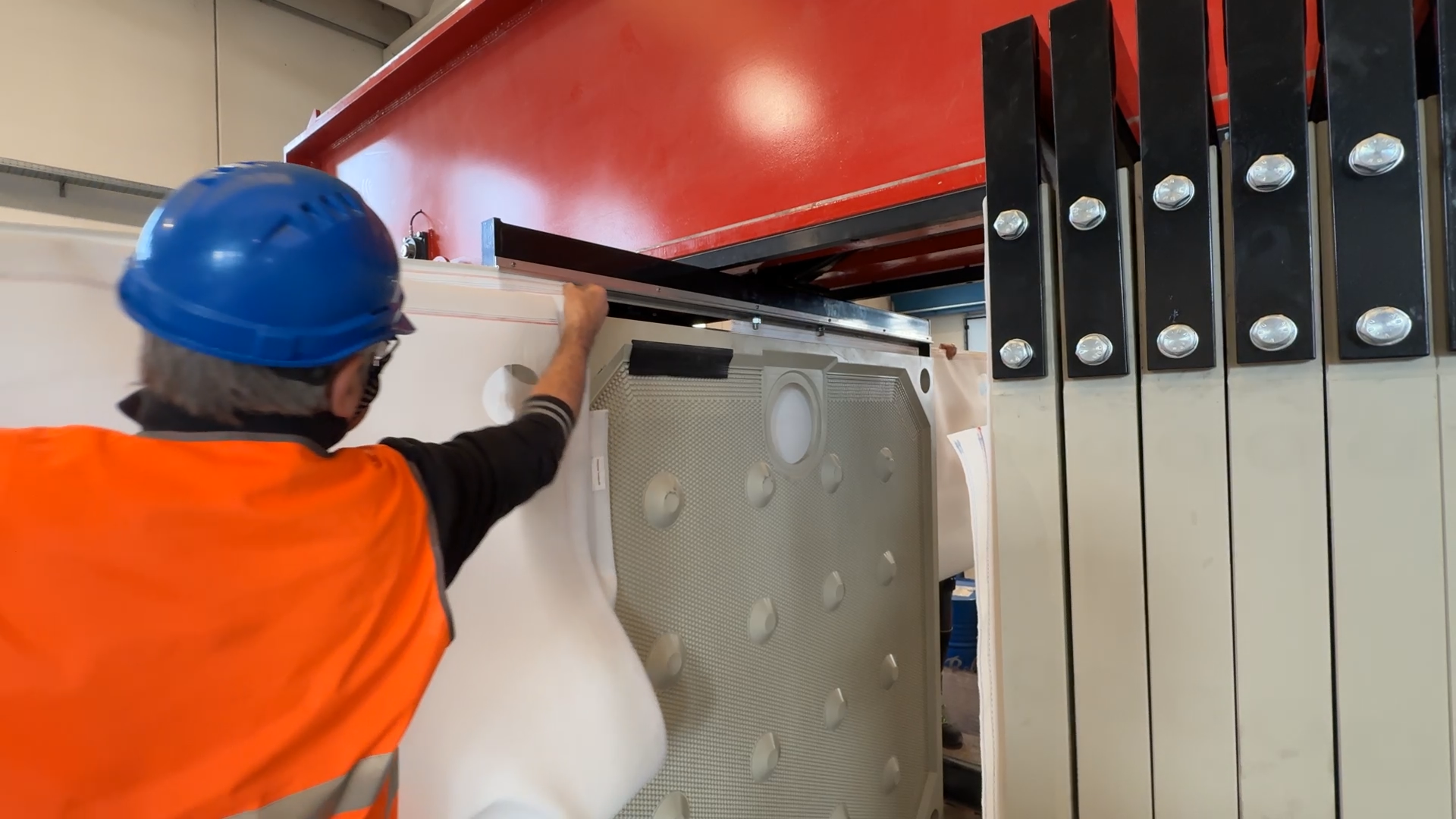
McLanahan offers Thickeners and Filter Presses for the dewatering of both concentrates and tailings. Thickeners suitable for mining applications include High-Rate, High-Density, and Paste Thickeners. Filter Presses used in mining applications can include both overhead and sidebeam configurations. McLanahan Filter Presses can be equipped with a wide range of operational features, including auto-wash, rapid-opening and QUICKCHANGE™.

Sampling

To ensure the final product meets contract requirements, sampling is performed to uphold quality and grade. Sampling can be an automated process, taking precise cuts at given intervals to ensure there is no sample bias from manual collection.

McLanahan manufactures mechanical sampling systems that allow producers to analyze material and maintain consistent quality standards. The type of sampling system required will depend on the ore characteristics, flow rate of material and the accuracy of the sample taken.

Suitable solutions can include Auger Sampling Systems, Cross Belt Sampling Systems, Falling Stream Sampling Systems, Multi-Stage Sampling Systems and Vezin Samplers.

Prony Resources Moves Toward More Sustainable Tailings Management with Help from McLanahan Thickeners

Learn More

Benefits of Working with McLanahan in Mining

Recover usable process water for site operations

Freshwater is a finite resource that mining operations need to scrub, wash, classify, dewater and filter materials extracted from the ground. McLanahan can help operators to recover process water and turn it into a reusable asset, reducing costs associated with tailings ponds, haulage and freshwater surcharges.

Prony resources 1

Ensure the final product meets specifications

To maintain strict quality standards, operators can implement automated sampling to take precise cuts and collect representative samples for further analysis. McLanahan has manufactured sampling systems for a range of industries. These systems are designed with minimal user interaction required and eliminate sample collection bias.

Sampling System

Less downtime to keep your operation running smoothly

Spend less time on equipment maintenance with robust, reliable solutions that keep operations running for longer. McLanahan has developed many innovations to decrease downtime and maintenance for operators, such as the new patents-pending QUICKCHANGE™ Filter Press Cloth System, which creates a 4-6% increase in uptime for operators, and carbide-impregnated teeth for sizers, which increase wear life for segments in heavy-duty applications.

Quick Change1