C&D Recycling

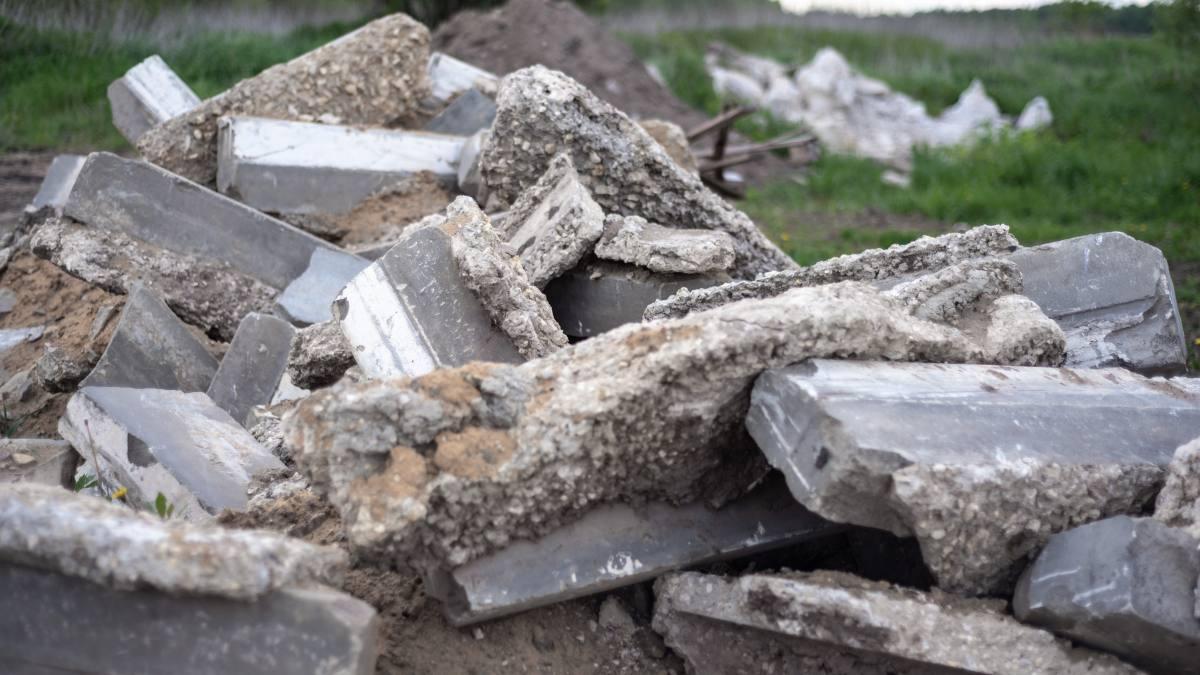
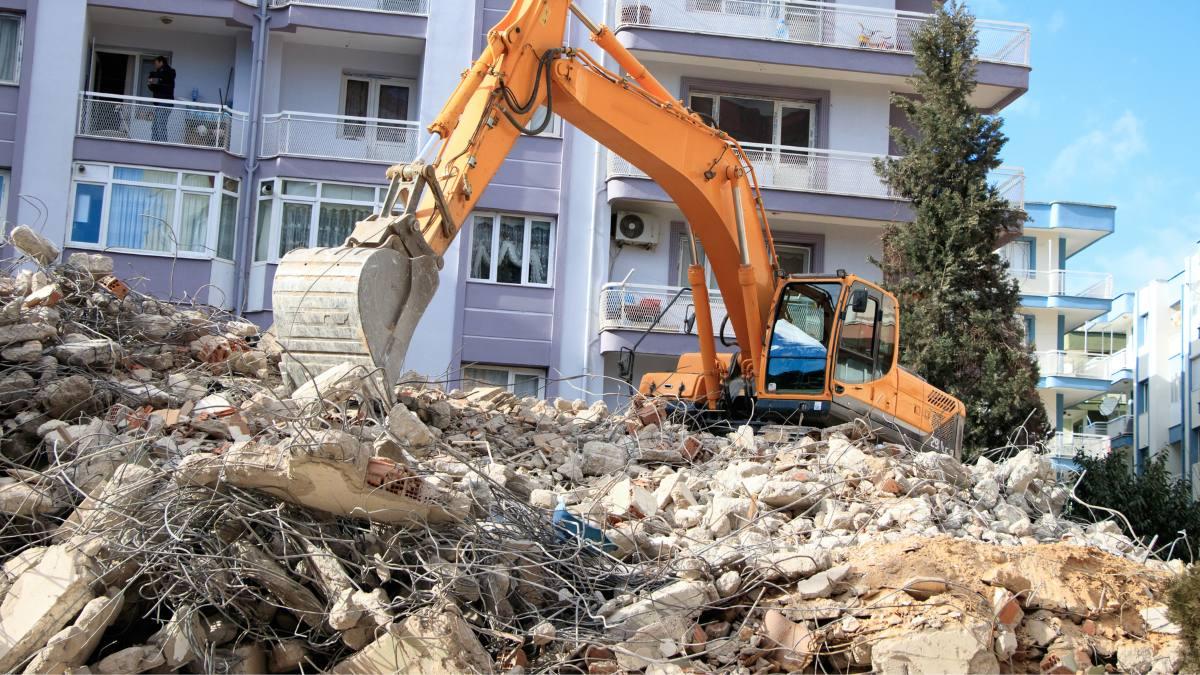
Construction and demolition (C&D) recycling involves the collection, reprocessing and reuse of construction and demolition waste materials. C&D waste is an inconsistent feed stream that often contains a mixture of bulky, heavy inert materials such as broken concrete, brick, asphalt, sand, gravel, metal, wood, plastics and glass that have been salvaged from construction and demolition sites. C&D recycling is an important step in conserving our natural resources and helps to divert reusable materials from landfills and repurpose them to new applications, as well as reduce waste disposal costs. McLanahan C&D waste processing solutions allow producers to minimize their waste output, recycle aggregates and reduce their carbon footprint for a more sustainable operation.
What is C&D Recycling?

C&D recycling is the process of recovering valuable resources from an array of inert waste streams that would otherwise be sent to a landfill. These waste streams can include excavation waste, non-hazardous soils, railway ballast, road sweepings, hydrovac waste, trommel fines and contaminated soils. The materials recovered from C&D waste streams can be processed for reuse in new construction projects.

Reusing C&D waste can offer many benefits both economically and environmentally:

  • Support infrastructure demand – provide alternative material options for sustainably minded customers to support growing population and meet legal regulations
  • Minimize costs – negate the increasing costs associated with hauling and disposing of material, while potentially gaining revenue from the sale of recycled aggregate
  • Conserve resources – limit the need for the mining and consumption of finite virgin aggregate
  • Decrease energy usage – minimize the amount of energy required compared to the production of virgin material
  • Reduce waste – decrease the volume of waste going to landfills by recycling and reprocessing material from C&D projects
  • Contribute to a circular economy – create a closed loop by reusing recycled aggregate materials in new construction projects, limiting the amount of new resources consumed

How to Recycle C&D Material

C&D waste can vary widely in composition and characteristics. Depending on the material in the waste stream, the equipment or plant solution needed to recycle C&D waste can include a combination of the following:

Sorting and Separation

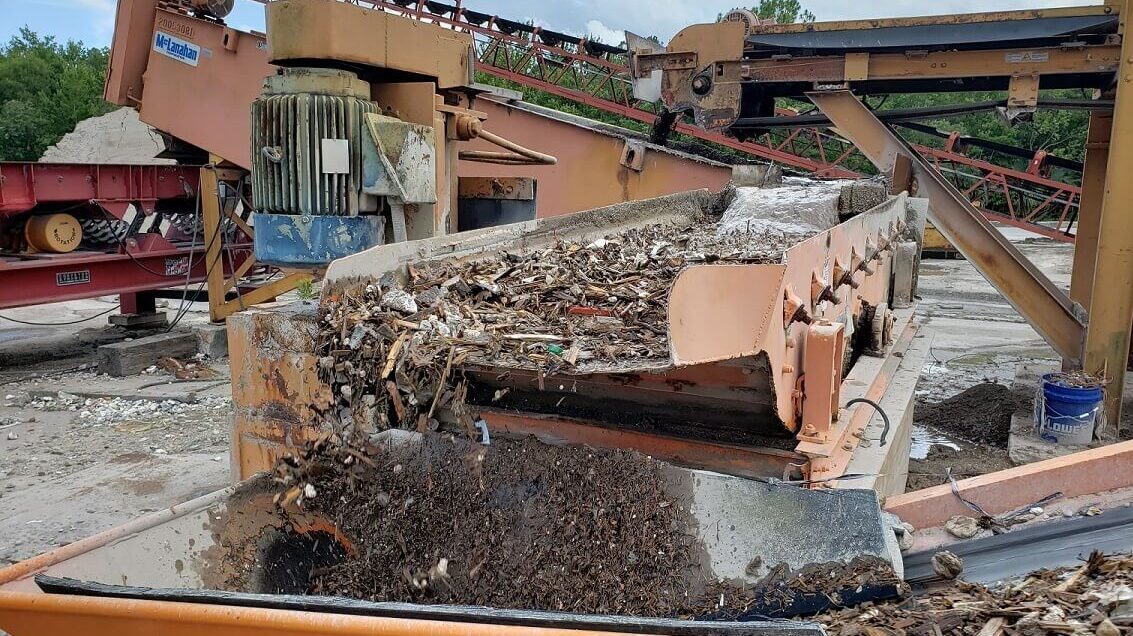
Recyclable materials such as aggregate, wood, metal, etc., will be separated from the rest of the debris. Typically, the C&D waste is fed into a Scalper or Vibrating Grizzly Screen as the first step in the dry process to remove oversize material that can cause blockages and lead to unnecessary downtime and maintenance.
 

Material Size Reduction

Crushing and screening reduces C&D waste material into smaller pieces and then separates it into a variety of sizes for stockpiling or additional processing. Multiple stages of size reduction may be required to achieve the desired product size. Learn more about Crushing Waste for Reuse.
 

Washing & Classifying

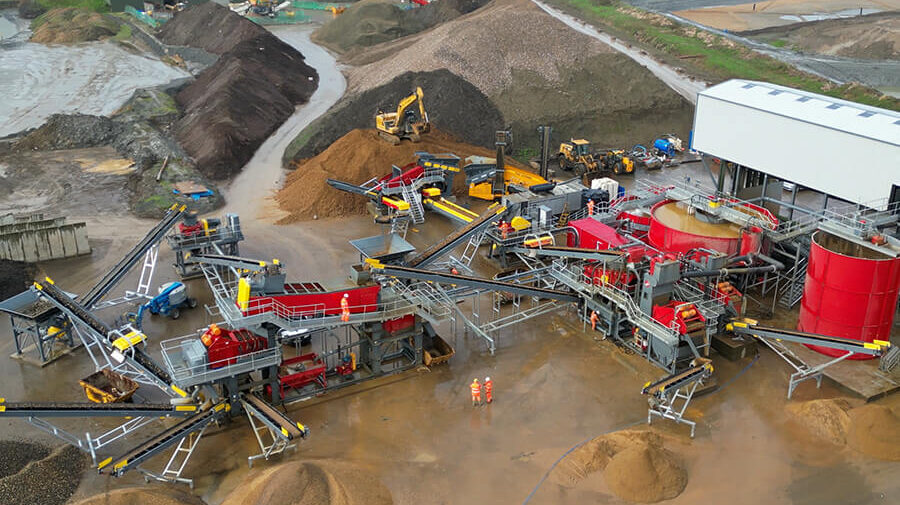
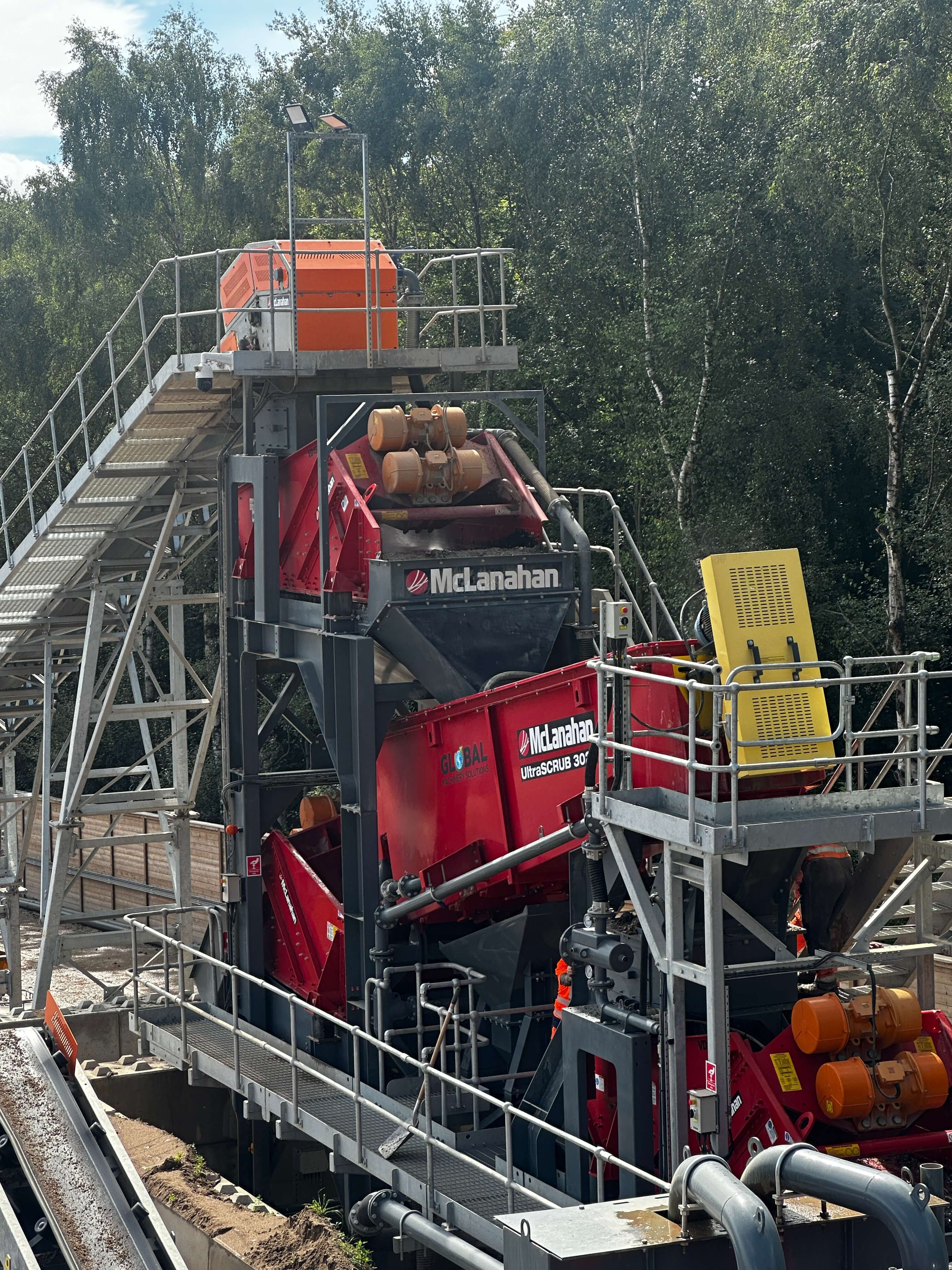
Recovered aggregate material must be cleaned and properly classified to meet specifications for reuse. Coarse aggregate material is scrubbed, removing silts, clays and sand from the product during this step, while fine material is washed and dewatered for reuse. Lightweight organics, such as plastics, paper and wood, can also be removed through a wet processing plant, using equipment such as Log Washers or Coarse Material Screw Washers. 

Watch our webinar on C&D Recycling Wet Processing to learn more about transforming waste into a valuable resource.

Sunskips

Types of Products from Recycled Materials

C&D waste can be repurposed into a wide variety of new products, allowing operators to utilize their waste as a revenue stream or use the products for future projects. Waste material from construction and demolition projects can be broken down into the following categories:

Recycled Materials and their Applications

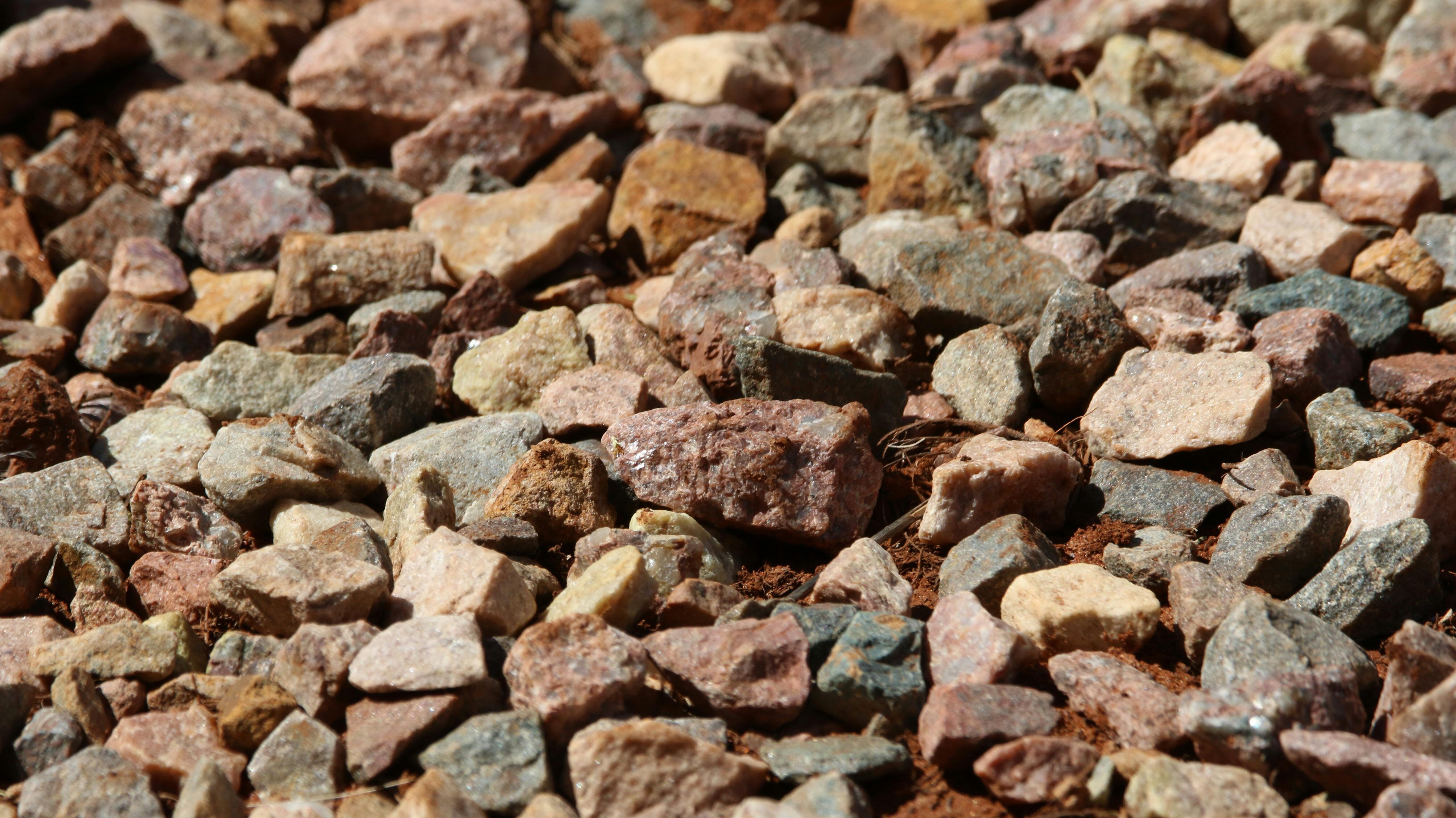
Coarse aggregates are used as base for foundation and roadways, as well as:

  • Drainage and septic systems
  • Landscaping
  • Backfill for retaining walls
  • Pipe bedding

Fine aggregates are used for utility trench backfill for pipework, as well as:

  • Interlocking blocks
  • Base for walkways, patios and pavers
  • Animal footing
  • Non-load bearing and some load bearing ready mix concrete
  • Masonry sand
  • Asphalt/bituminous concrete (blacktop)

Additional C&D waste streams can be processed into new, usable products such as:

  • Wood → mulch, firewood
  • Plastic → decking, roof tiles, insulation
  • Glass → road surfacing (in asphalt), bricks, ceramics
  • Metal → structural beams, trestles

McLanahan Modular Wash Plant And Scrubbing System Help Stradacon Penna Recycle C&D Waste For Reuse

Learn more

Benefits of working with McLanahan in C&D Recycling

Reduces strain on finite resources

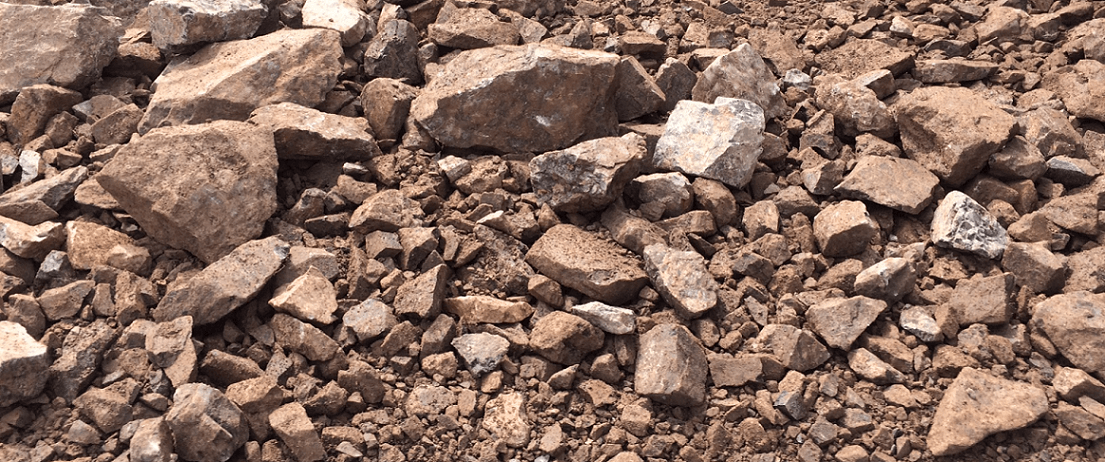
Recycling aggregate material from C&D debris reduces the reliance on virgin sand and gravel resources by returning previously used construction materials back to the industry. McLanahan can help operators to reuse construction and demolition materials to save money spent on virgin products.

Crushed Rocks Aggregates

Reduces carbon footprint

Reusing aggregate from C&D waste reduces the greenhouse gas emissions that would result from extracting the virgin aggregate from the ground. C&D recycling yards located close to the center of construction activities can reduce their carbon footprint from haulage trucks when compared to the costs of ordering and transporting virgin material. 

CD debris

Supports a circular economy

C&D recycling helps to support a circular economy by recovering aggregate material destined for the landfill and processing it for reuse in the construction industry. These previously used construction materials are given new life as recycled aggregate to be reused once again, minimizing the amount of material sent to waste and associated fees for disposal and haulage.

CD debris with excavator