

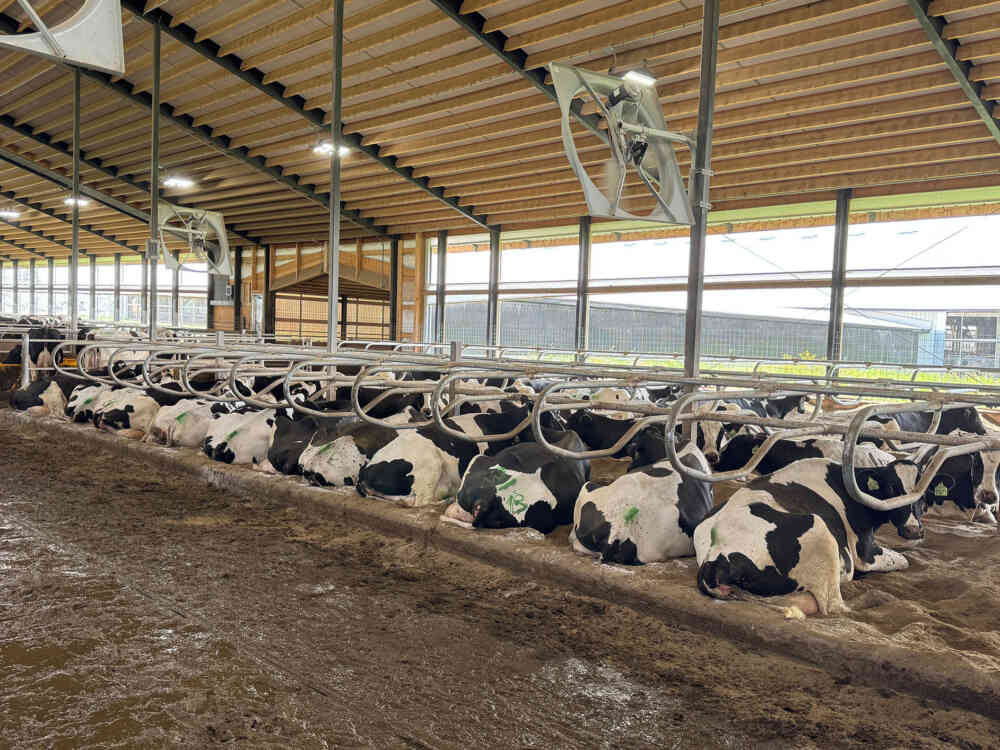
Manure solids have become a popular bedding choice on many dairies because they are economical, readily available and recyclable. However, their success depends on proper management.
Ensuring the Best Bedding Quality
Bacteria need three things to thrive: organic matter (food), heat and moisture. Remove any one of these factors and the chances of bacteria causing issues in your bedding and herd are greatly reduced. Since manure solids are organic compared to sand bedding, they need a little bit more management to reduce bacteria and somatic cell count.
Advantages and Challenges of Manure Solids
Manure solids come with a few advantages. They are readily available, making it a cost-effective bedding choice. Manure solids stay loose in the stalls and are a soft, comfortable place for cows to lie. In addition, manure solids can help reduce a dairy's environmental footprint by turning a waste stream into a valuable bedding resource. Finally, in cold areas, manure solids are a warm place for cows to rest during frigid winters.
However, manure solids also present several challenges that producers must manage effectively. Since manure solids are organic, there is a higher potential for bacteria growth that can negatively impact udder health and somatic cell count (SCC). They require a much more intense management program compared to sand bedding, where new bedding must be added at least daily and stalls groomed multiple times per day. To keep the stalls dry, wet material must be removed frequently. Finally, dry matter inconsistency can be an issue, especially in wet or humid regions.
Maintaining Bedding Like Clockwork
Cows spend more than half their day lying down, so clean, dry bedding isn’t just a nice-to-have, it’s essential. Research from the Miner Institute supports this approach: Farms with low bulk tank SCC groomed bedding an average of 2.2 times per day, compared to 1.6 times in high-SCC herds.
Here are the management practices commonly seen in herds with low SCC:
- Stall moisture: Moisture control is your first defense against mastitis-causing pathogens. Remove wet bedding from the back one-third of each stall daily to minimize bacterial exposure, especially when using organic materials like manure solids, straw or sawdust.
- Bedding depth: Deep bedding helps protect cow joints and encourages longer lying time. Always maintain a bedding depth of six to eight inches.
- Bedding distribution: Proper distribution supports cow comfort and prevents waste from building up. Eliminate low spots and redistribute material evenly across the stall surface.
- Consistent stall grooming: Releveling bedding daily and replenishing it often helps maintain stall use and lying time. Rake every time cows are fetched for milking.
Adding fresh bedding on a regular schedule keeps stalls inviting and clean. Frequency and method vary based on stall design and bedding type. Composted manure solids require the most frequent attention. Remove soiled bedding at the rear of the stall each day and replace it with clean, dry material to help prevent mastitis.
Reducing Unwanted Sand
Unwanted sand in manure can cause issues with cow comfort and equipment. Blow sand is one of the primary sources of unwanted sand in manure. This fine, dry sand is carried by the wind from surrounding fields, roads or other open areas. It will settle into dry lots, freestalls, and manure and bedding storage areas. In dry, sandy regions, this problem is more pronounced. Over time, the added sand can build up and create larger issues.
To help reduce blow sand, establish wind breaks like trees, fences and fabric barriers around lots and manure storage areas. Store bedding inside whenever possible to limit blow sand contamination. Proper storage in covered areas or enclosed barns helps keep bedding cleaner and excess sand out.
Pressing or mechanically drying manure solids with a roll press or manure bedding dryer instead of composting and windrowing solids outside can help avoid unwanted sand accumulation. Mechanically drying will also help minimize moisture accumulation and maintain bedding quality.
Making Manure Solids Work
Manure solids can be an economical, comfortable and sustainable bedding option when managed correctly. While they require more attention than inorganic bedding sources like sand, the benefits can outweigh the challenges when dairies focus on moisture control, stall cleanliness and consistent bedding maintenance. Daily grooming, regular addition of fresh bedding and proactive steps to minimize unwanted sand contamination all help create a cleaner environment that supports udder health, cow comfort and lower somatic cell counts.
By following a disciplined management routine, dairy farmers can maximize the value of manure solids while supporting cow comfort, maintaining udder health and protecting milk quality. When bedding management becomes part of the daily routine, manure solids can be a reliable and effective bedding solution for today's dairy farms.