

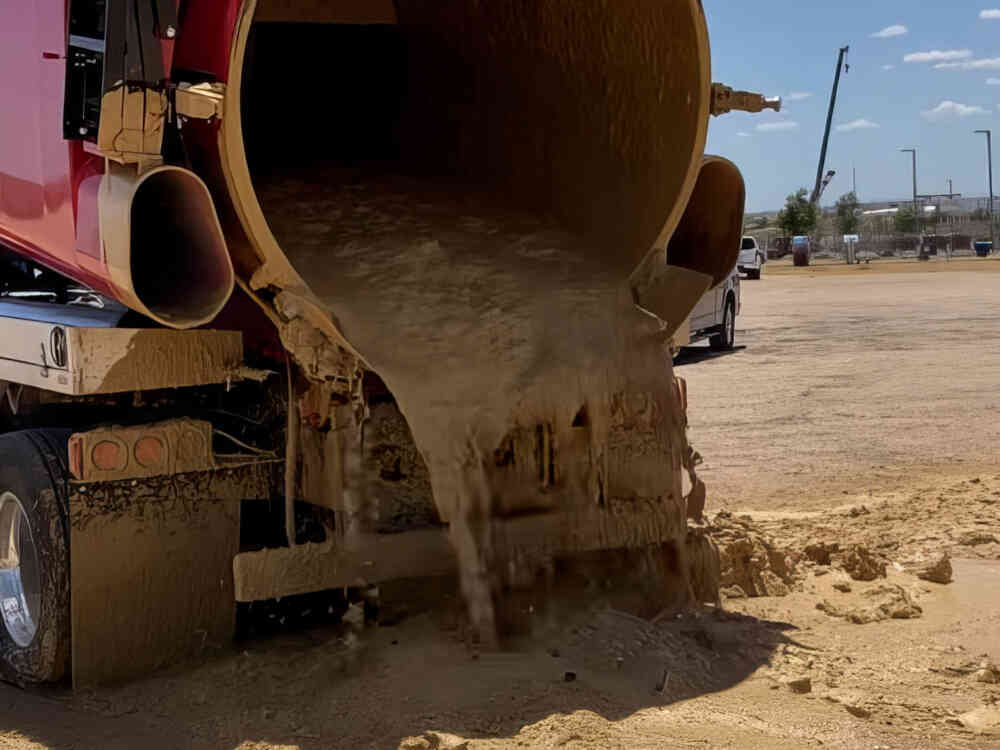
Hydrovac excavation has become the go to method for safe, non destructive digging. While the technique offers clear advantages, it also produces a byproduct called hydrovac slurry that requires careful handling. Hydrovac excavation produces a mixture of water, soil and debris that must be managed responsibly. With disposal costs rising and regulations constantly changing, contractors are looking for smarter ways to handle hydrovac waste.
What Is Hydrovac Slurry?
Hydrovac slurry is a mixture of water, soil and debris produced during hydrovac excavation. Pressurized water breaks up the ground, and a vacuum system removes the resulting material. The slurry typically contains water, soil particles such as sand, silt or clay, along with varying amounts of gravel, organic matter and debris. Its composition depends on local soil conditions and the conditions of the excavation site. Clay-heavy regions produce thick, sticky slurry that’s harder to process, while sandy soils separate more easily.
Because slurry is wet, heavy and inconsistent in texture, it is difficult to transport and dispose of without proper processing.
The Problem with Untreated Slurry
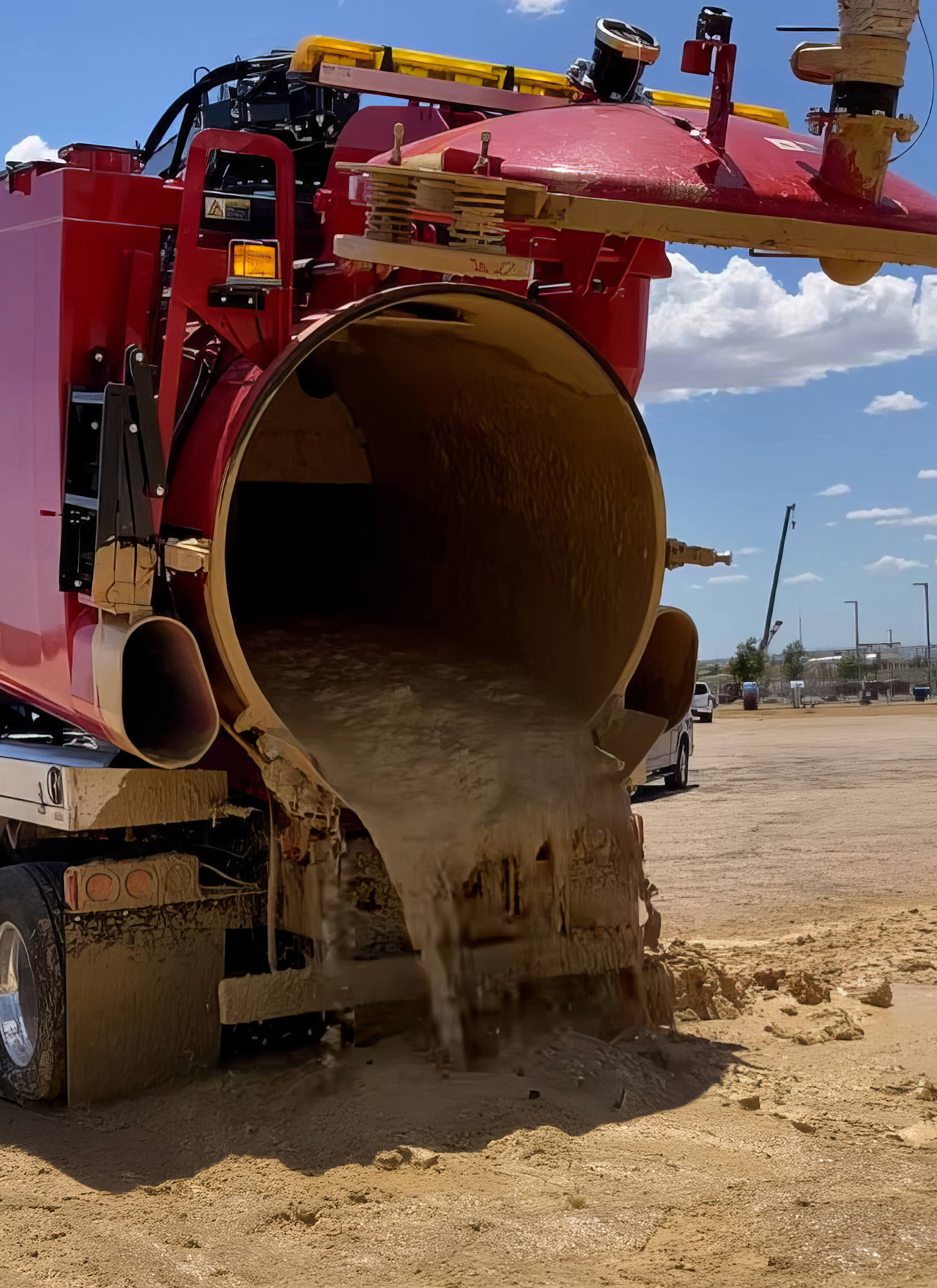
Untreated slurry presents several challenges. It is difficult and costly to handle. Many places restrict or prohibit the disposal of liquid waste, meaning slurry must be treated before it can be accepted at a disposal facility. Environmental impact is another area of concern, as improper handling can lead to soil contamination or water pollution. Hauling large volumes of unprocessed slurry also increases fuel use, labor requirements and downtime, meaning higher operational costs.
3 Steps to Safer Slurry Disposal
Step 1: Slurry Separation
The Purpose of Separation
Separation is the process of removing solids from the liquid portion of the slurry. This step is important because it reduces volume, prepares the material for further treatment and helps meet requirements for the handling of liquid waste.
Common Separation Methods
There are multiple pieces of technology that can be used for the separation of hydrovac slurry. Some of the most common are:
- Trommel Screens: Trommel Screens use rotation to repeatedly lift and drop the material onto itself causing separation and breaking down softer fractions. This quickly removes oversized debris and conditions the slurry into more uniform, manageable particle sizes for further treatment.
- Separators™: Separators™ use centrifugal force to spin out heavier particles, producing cleaner water and are often the first stage of a double wash system.
- Fine Material Screw Washers: Fine Material Screw Washers are used as the second stage in a double wash system. These rising current classifiers are effective at floating out the remaining lightweight organic material that may remain after the first stage of the double wash system.
- Vibrating Screens: Vibrating Screens filter out larger solids and debris and are often the first step in a multi-stage system.
- Settling Tanks: Settling Tanks allow the slurry to sit so solids can naturally settle, which is the most simple but slow method.
The effectiveness of separation depends on factors such as particle size, slurry density, flow rate and equipment configuration, so it is important to find the solution that works best for each specific site.
Step 2: Dewatering
Why Dewatering Matters
Once solids are separated, they still contain a significant amount of moisture. Dewatering reduces this moisture content, creating a material that is easier and more cost effective to transport or dispose of. Dewatering can also produce a solid that is reusable in other projects depending on local regulations.
Common Dewatering Methods
Dewatering can be achieved through several methods using different types of equipment.
- Dewatering Screens: help to remove excess moisture from material and discharge a drip-free product
- Filter Presses: use high pressure to squeeze out water and produce an exceptionally dry, compact solids cake that’s easy and cost effective to handle or dispose of
- Decanter Centrifuges: generate high centrifugal forces that rapidly separate fine solids from water, producing a much drier, more manageable solids cake than most other mechanical systems
Soil composition, polymer selection, retention time and moisture targets all influence hydrovac slurry dewatering efficiency because each factor affects how well fine particles bind, settle and release water during separation.
Step 3: Recovery for Reuse
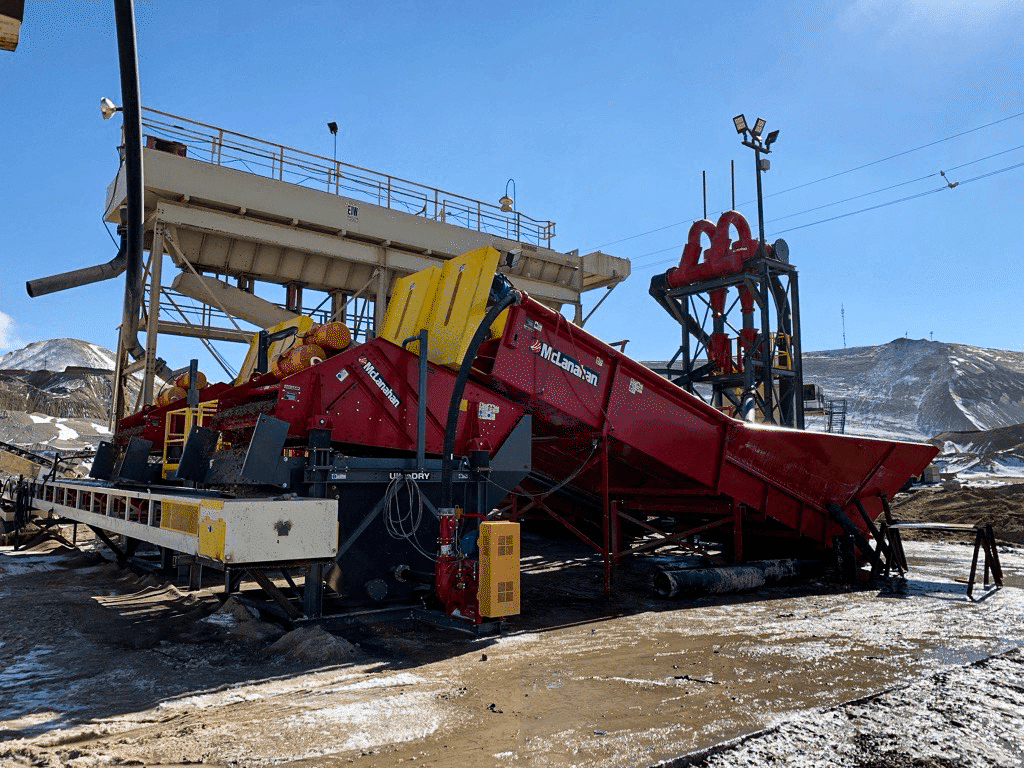
Slurry management emphasizes resource recovery, turning what was once considered waste into usable materials. Water recovered during processing can often be reused for hydrovac operations, reducing freshwater consumption and minimizing hauling requirements. This not only lowers costs but also supports more sustainable jobsite practices.
Recovered solids may also have value. Depending on regulatory guidelines and material quality, they can be repurposed as backfill, construction fill or landscaping material. Even when reuse is not permitted, the reduced weight of dewatered solids still results in lower disposal costs and improved operational efficiency.
Recovery contributes to a smaller environmental footprint and aligns with broader industry goals around sustainability and responsible resource use.
Traditional Disposal vs. Modern Slurry Processing
Traditional slurry disposal typically involves hauling wet material directly to a landfill, resulting in high fuel consumption, labor demands and tipping fees. Modern processing, by contrast, reduces volume through separation and dewatering, producing dry solids that are easier to handle and often suitable for reuse. This approach supports regulatory compliance, lowers costs and aligns with environmental best practices.
Selecting the Right Slurry Management Approach
Choosing the most effective slurry management strategy depends on several factors, including the volume of slurry generated, soil type, available jobsite space, local regulations and hauling distance. Some projects benefit from on site processing using mobile equipment, while others are better served by specialized off site facilities. Understanding these variables helps contractors and municipalities make informed decisions that balance efficiency, cost and compliance.
Conclusion
Hydrovac slurry management is becoming increasingly important as excavation activity grows and environmental expectations rise. By processing hydrovac slurry organizations can reduce costs, improve operational efficiency and support more sustainable construction practices.

