

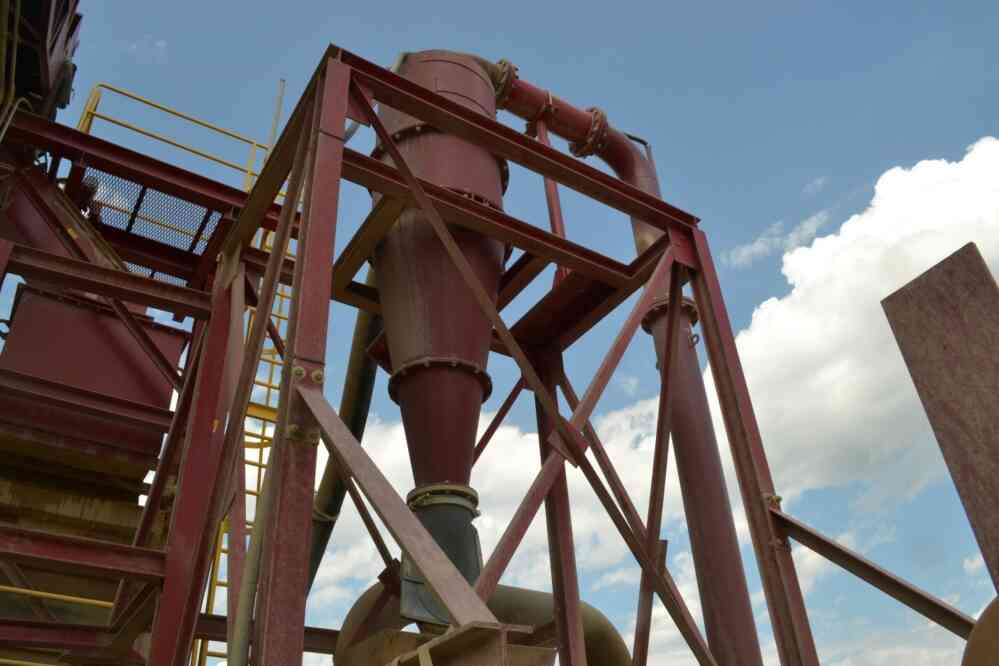
In aggregate operations, fine material lost in the wash process is often treated as waste. It typically ends up in settling ponds, consuming land, demanding maintenance and limiting production. With the right fines recovery equipment, those fines can become a valuable product stream.
Why Recovering Fines Matters
Wash plants generate a slurry of silts, clays and other fine particles removed from the feed. Sending this entire stream to a settling pond seems simple, but it leads to costly cleanouts, lost efficiency and wasted materials. Recovering instead helps producers:
- Reduce solids entering ponds
- Extend the life of existing ponds
- Reclaim valuable fines as usable or saleable product
- Lower operating and maintenance costs
Even small recovery rates can translate to thousands of tons of additional usable material per year - material that might otherwise be considered waste.
How Fines Recovery Works
Most fines recovery strategies rely on the same basic principles. This includes separating fine particles from water, then dewatering them to create a manageable, stackable material. This is generally done using systems that apply gravity, centrifugal force or screening to remove fines from wash water.
Some common equipment types are Hydrocyclones, Dewatering Screens and Thickeners, each designed to capture fines efficiently and return clean water to the process.
Key elements of effective fines recovery include:
- Capturing the Fine Solids from the Waste Stream
- Concentrating the Solids
- Recycling Process Water
Capturing the Fine Solids from the Waste Stream
This step removes the fine particles from the slurry as early as possible, preventing them from flowing into ponds. Technologies often used for fines recovery rely on creating a high-force separation environment so fine particles can be isolated from the water.
Concentrating the Solids
Once the fines are captured, they need to be thickened or concentrated so they can be handled more easily. This reduces the volume of slurry and minimizes how much water must be managed downstream.
Recycling Process Water
By separating solids from the water, more water can be returned to the operation. This reduces demand on freshwater sources and helps operations run more efficiently, especially in areas with water restrictions or environmental permitting requirements.
The Impact on Productivity and Profitability
Recovering fines isn’t just about waste reduction, it’s also about increasing the overall efficiency of an aggregate site.
Producers who implement fines recovery typically see:
- Higher product yield, because less material is lost to ponds
- Reduced downtime, thanks to fewer pond cleanouts and less site disruptions
- Lower operating costs, through reduced pumping, hauling and pond maintenance
- Improved water management, which supports both sustainability goals and regulatory compliance
Recovered fines can often be reused as manufactured sand or blended into other products, creating new revenue streams for operators.
Fines recovery helps aggregate operations run cleaner, smarter and more sustainably. By reducing the volume of solids going to waste storage, reusing water and transforming fines into valuable materials, producers can improve site performance while reducing environmental impact.
Whether your plant wants to reduce reliance on settling ponds, maximize the value of its deposits or prepare for tighter environmental requirements, fines recovery is a practical and forward-thinking solution for modern aggregate operations.


