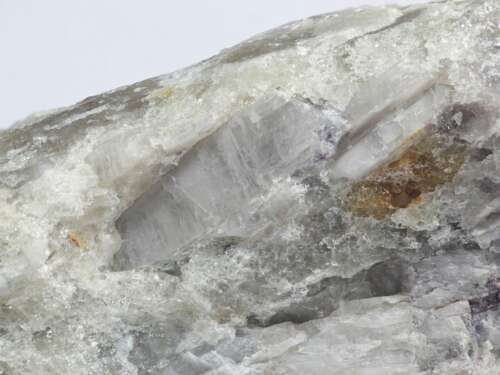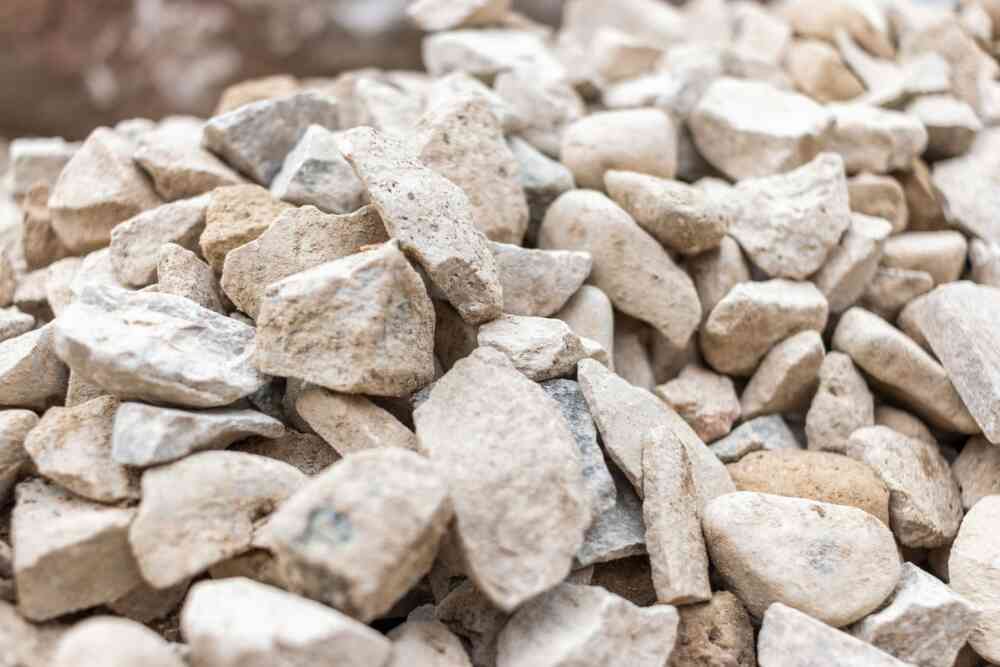
While it may be “just” a rock, limestone plays an important role in the construction industry, serving as a basic stone used to create different kinds of aggregates, cement and building stones.
Limestone is also the source of an inorganic material that is used in a wide variety of products that people use every day.
What is limestone?
Limestone is a sedimentary rock, composed mainly of the mineral calcite. Limestone is the third most common sedimentary rock on Earth, with about 15% of the Earth’s sedimentary crust formed of limestone.
How is limestone formed?
Marine organisms, like scallops, can precipitate calcium carbonate (the chemical compound of calcite) to create a protective shell. As these organisms die, the shells accumulate on the sea floor.
Over millions of years, the shells are broken, buried and compacted, creating sediments. As the shell fragments are compressed and compacted, excess water is released, and the sediment is compressed together, creating the rock, limestone.
Limestone is found all over the world, with the largest producers being China, India and the United States.
How is limestone mined?
Surface Mining
Surface mining is used for mineral deposits close to the surface of the Earth. This kind of mining includes overburden removal, drilling and blasting the surface of the deposit area. After drilling and blasting, the limestone is extracted and hauled to a processing location.
Underground Mining
Similarly, underground mining uses drilling and blasting. As its name suggests, rather than mining closer to the surface, this method takes place in deep, underground mineral deposits. Underground mining utilizes smaller blast holes to produce a lower volume of rock.
Most limestone mining operations use room-and-pillar mining methods. In room-and-pillar mining, rock is removed to create entries that form a grid-like pattern underground and pillars of rock are left to support the mine roof.
How is limestone processed?
There are three major steps in processing limestone for use: crushing, screening and sizing, and washing and classifying. Once the limestone is processed, it can be used for numerous applications. It can be found in our everyday lives in things like paint, piping and even toothpaste.
Crushing: Crushing is the primary phase in limestone processing. There are typically multiple stages of crushing to reduce the limestone to the desired size. Common primary-stage crushers include Jaw Crushers, Impact Crushers, Sizers, and Gyratory Crushers.
Limestone usually undergoes a round of secondary and tertiary crushing through equipment like Cone Crushers, Impact Crushers, Secondary Sizers, Hammermills and Roll Crushers to further reduce the material in size.
Screening/sizing: In order to sort the stone particles and remove any oversized product, limestone is screened with Horizontal and Inclined Screens. The type of screen and screen media used are determined by the operation.
Washing/classifying: When processing limestone, washing and classifying are typically the last step. Washing and classifying helps remove any deleterious material and contaminates in the crushed limestone.
Dependent upon the amount and type of deleterious materials scrubbing with equipment like Rotary Scrubbers, Log Washers or Coarse Material Screw Washers may be necessary to create a clean, finished product.
Other common washing and classifying equipment includes Fine Material Screw Washers, SeparatorsTM and Bucketwheels. Washed limestone can be further dewatered for faster product stacking and sale with equipment like Dewatering Screens.
What is limestone used for?
Limestone is most commonly used in the aggregates industry to produce construction materials like cement. Limestone is used in the agricultural industry to help reduce soil acidity and improve crop yields.
Other than the rock itself, limestone can be processed to create an inorganic material called lime, which is used across various applications and industries. After being correctly processed, limestone is heated to convert the calcium carbonate into calcium oxide. The heated limestone is then hydrated, creating lime.
In 2024, about 16 million tons of lime was produced in the United States alone. Lime’s primary application is steel production. Lime removes impurities, like silica, phosphorus and sulfur, in steel. It is also used in the beneficiation and recovery of other metals, including cooper, gold and silver.
Lime is also largely used to treat drinking water, wastewater and solid wastes. In these environmental applications, lime helps remove contaminants and neutralize toxicities. From potable water to solid-waste disposal, lime is an important material in environmental applications to create a safer and cleaner environment.
With numerous, diverse applications, limestone is an essential resource around the world. From supplying materials for building and construction, to creating a key ingredient for water purification and waste management, limestone is more than just a rock.