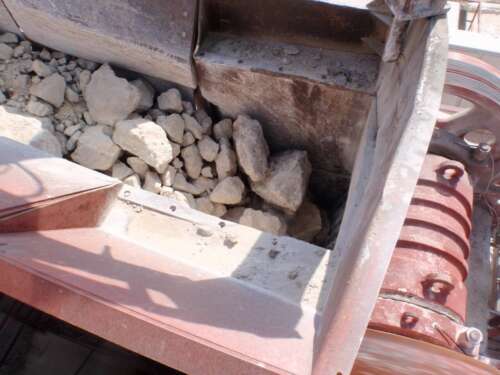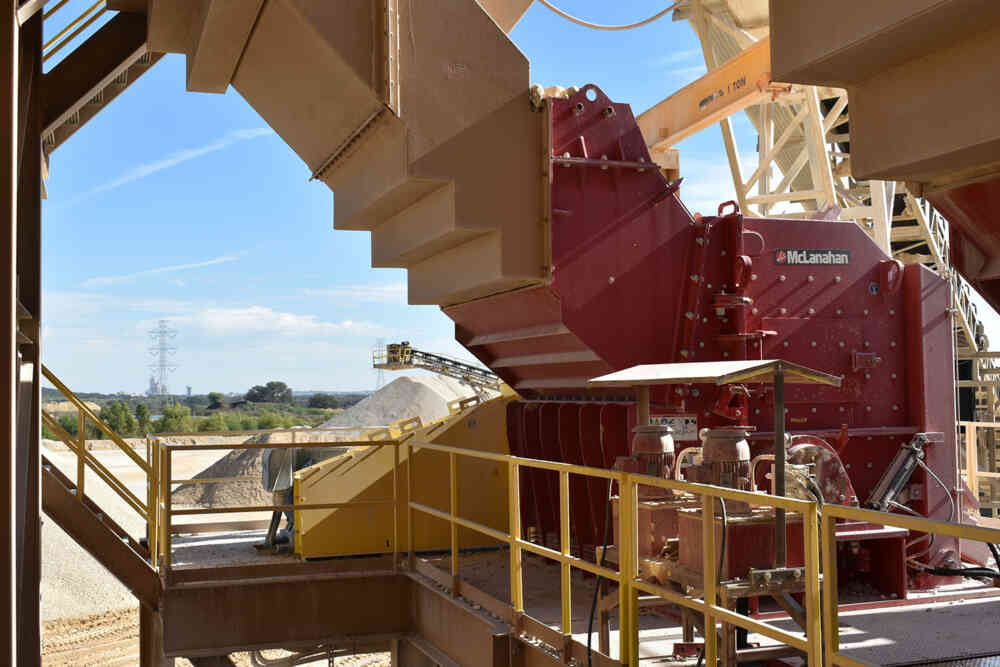
Crushing circuits are a foundational component of aggregate processing, mining and material reduction applications. Whether producing base material, manufactured sand or specialty aggregates, how material moves through a crushing plant has a direct impact on efficiency, product quality and operating costs.
One of the most important decisions producers face when designing or optimizing a crushing plant is whether to utilize an open circuit or closed circuit configuration. While both systems perform the same basic function of reducing material size, the way material flows through each circuit creates meaningful differences in performance, control and end product consistency.
Understanding how open and closed circuit crushing systems operate and where each is best applied allows producers to select a setup that aligns with their production goals and material specifications.
What Is Open Circuit Crushing?
Open circuit crushing is a configuration where material passes through the crusher one time before exiting the system. After initial size reduction, the material is discharged to a stockpile or conveyed to the next stage of processing without being screened or returned for additional crushing.
This type of circuit relies primarily on the crusher’s closed side setting and the characteristics of the feed material to determine the final product size.
Open circuit systems are commonly used in primary crushing applications or in operations where a coarse, less tightly controlled product is acceptable.
What Is Closed Circuit Crushing?
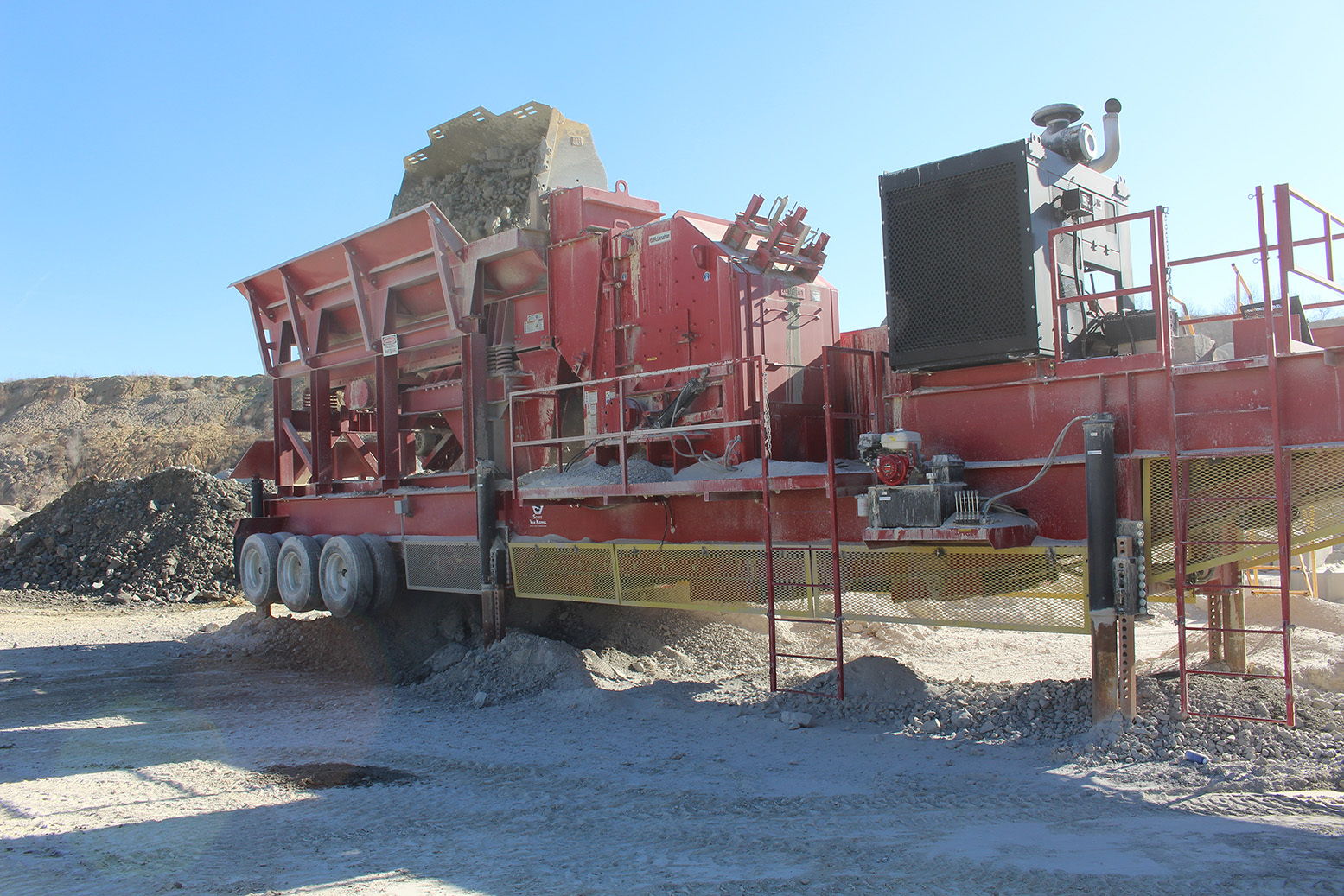
Closed circuit crushing incorporates a sizing device, typically a screen, after the crusher. Material that meets the desired size specification passes through the screen and exits the system, while oversized material is routed back to the crusher for further reduction.
This recirculating loop continues until the material reaches the target size. By continually separating finished product from oversize material, closed circuits provide a greater level of control over final gradation and consistency.
Closed circuit configurations are often used in secondary and tertiary crushing stages or in applications that require tighter product specifications.
Why Crushing Circuit Selection Matters
Choosing between open and closed circuit crushing directly affects how efficiently a plant operates and how well the final product meets customer requirements. Material that is too coarse, too fine or inconsistent in gradation can reduce product value, create rework and limit marketability.
The right circuit design helps producers:
- Optimize throughput and crusher utilization
- Improve product consistency and quality
- Reduce handling and reprocessing
- Balance capital investment with operating costs
Understanding the strengths and limitations of each circuit type is essential to achieving these outcomes.
Benefits of Open Circuit Crushing
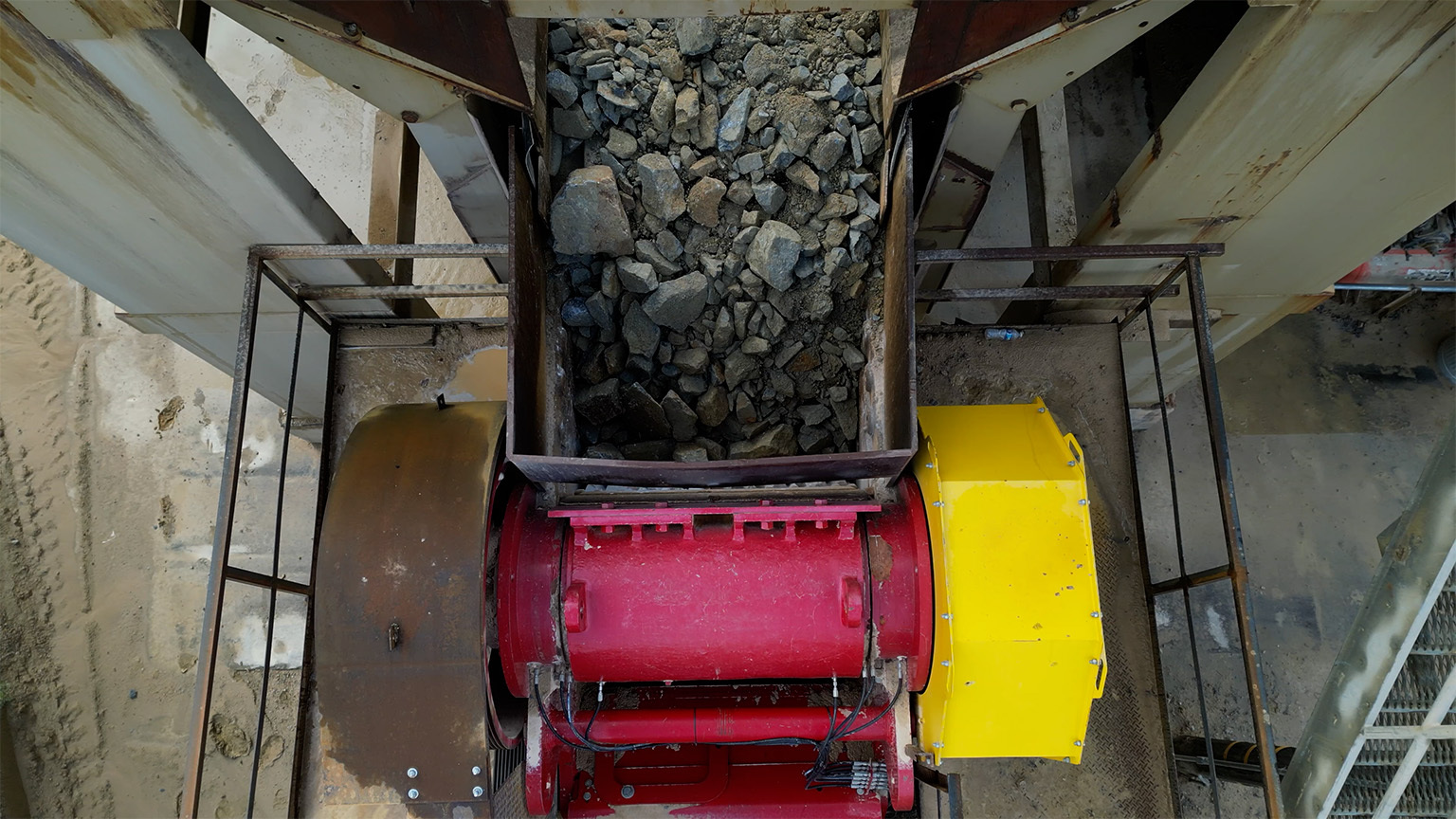
Open circuit crushing systems are valued for their simplicity and efficiency in certain applications. Because material is processed only once, these systems involve fewer components and less material handling.
Key benefits include:
Lower Capital and Operating Costs
With no need for additional screens, conveyors or structural support, open circuit systems typically require less upfront investment. Fewer components also translate to lower maintenance demands and reduced operating costs.
Simpler Plant Layout
Open circuits are easier to design, operate and maintain. This simplicity can be especially beneficial for portable plants, temporary setups or operations with limited space.
High Throughput Potential
By eliminating recirculating loads, open circuit systems allow crushers to operate at higher capacities when producing coarser material.
These advantages make open circuit crushing well suited for applications such as pit run material, base rock or preliminary size reduction stages.
Benefits of Closed Circuit Crushing
Closed circuit systems offer increased precision and flexibility, particularly when producing higher value or specification driven materials.
Key benefits include:
Improved Product Size Control
By screening material and returning oversize particles for additional crushing, closed circuits deliver tighter control over final product size and gradation.
Higher Percentage of Usable Product
Closed circuits maximize yield by ensuring material meets size requirements before exiting the system, reducing waste and reprocessing.
Consistent Product Quality
Uniform sizing and gradation improve product performance in applications such as asphalt and concrete production, where consistency is critical.
Although closed circuits require more equipment and monitoring, their ability to produce precise, repeatable results often outweighs the added complexity.
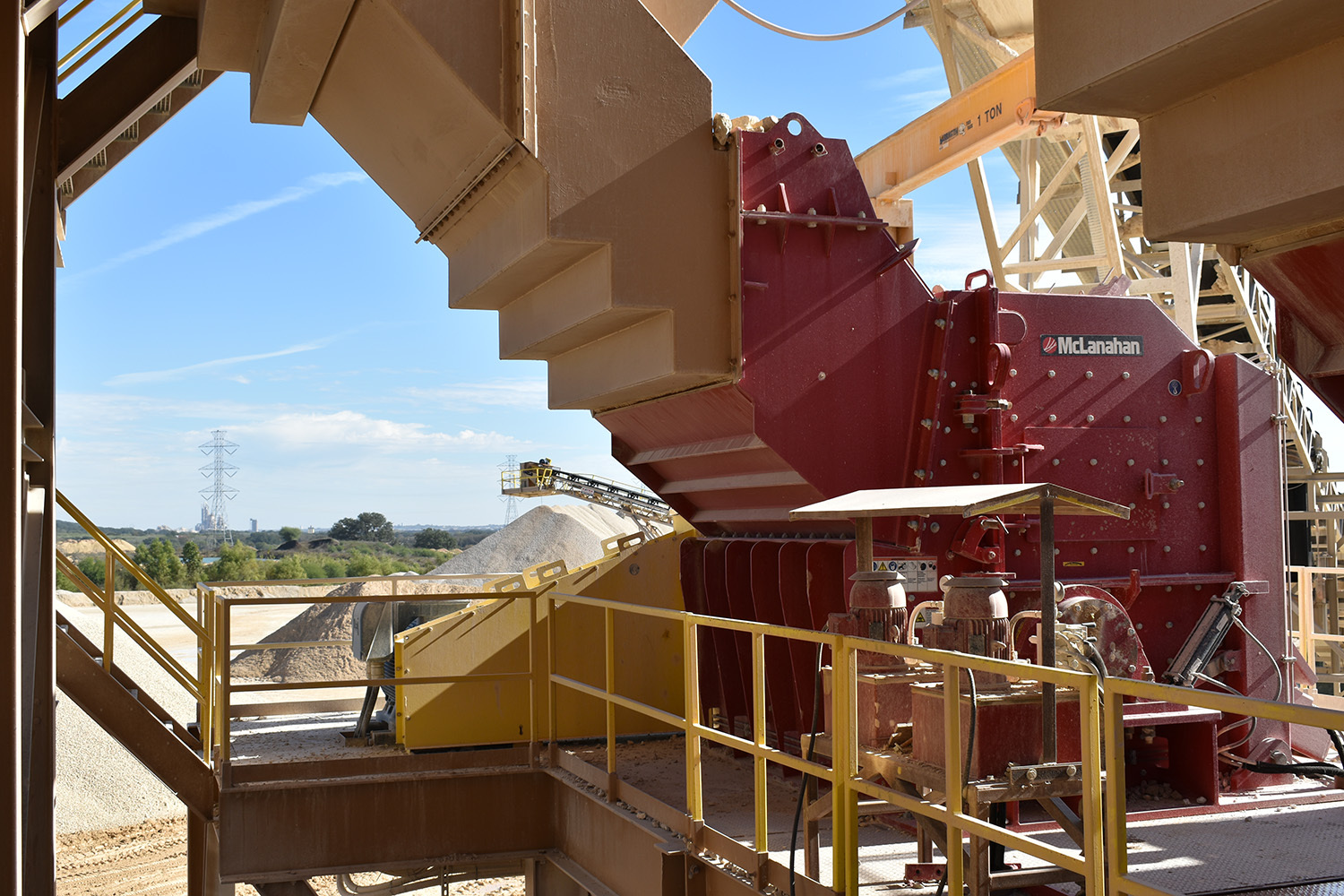
How Open and Closed Crushing Circuits Are Used Together
In many operations, open and closed circuit crushing are not mutually exclusive. Instead, they are combined to take advantage of the benefits of each.
A common approach is to operate:
- Primary crushing in an open circuit to handle large, run of mine material efficiently
- Secondary and tertiary crushing in closed circuits to refine material and meet final product specifications
This staged approach balances throughput, cost and product quality while allowing each piece of equipment to perform its role most effectively.
Key Factors in Choosing the Right Crushing Circuit
Several factors influence whether an open or closed circuit is the best fit for a given application, including:
- Target product size and gradation
- Material hardness and abrasiveness
- Production capacity requirements
- Budget constraints
- Available plant footprint
Evaluating these variables during the design phase helps ensure the crushing circuit supports both immediate production needs and long term operational goals.
McLanahan’s Role in Crushing Circuit Design
McLanahan works with producers to design and supply crushing systems tailored to their specific applications. By evaluating material characteristics, production targets and downstream requirements, McLanahan helps determine the most effective open, closed or combined circuit configuration.
By aligning circuit design with material characteristics, production goals and end use requirements, producers can maximize efficiency and product consistency. Whether a crushing application calls for an open circuit, closed circuit or a combination of both, the right design ensures long term performance and profitability. Partnering with an experienced equipment and systems provider helps turn those decisions into measurable results.