

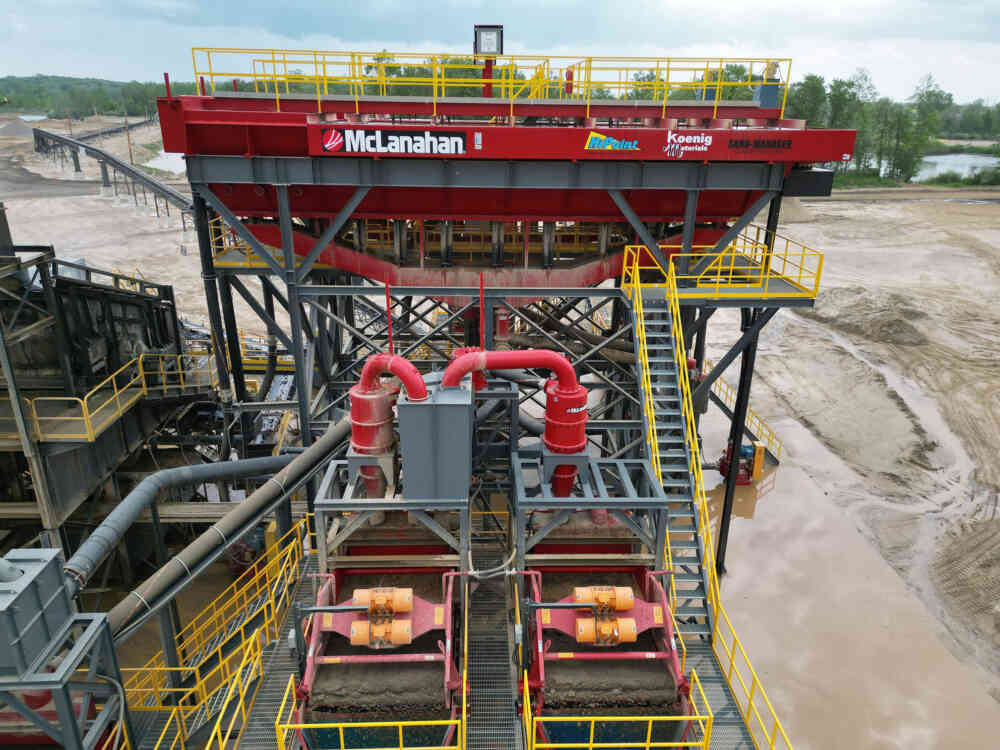
Sand is a critical component of construction-grade materials used in concrete, asphalt, road base, and manufactured products. However, sand taken directly from natural deposits or crushed stone sources rarely meets the strict specifications required in today’s marketplace. Whether it's too dirty, poorly graded, or overly saturated, unprocessed sand simply won’t do. This is where sand washing comes in. It is an essential operation in aggregate processing that has evolved significantly over the decades.
Why You Should Wash Sand
The purpose of washing sand has always been to remove unwanted fines, clay and organic material. These contaminants negatively impact the performance of finished materials, such as reducing the strength and workability of concrete or causing premature failure in asphalt. But over time, the reasons for sand washing have become more complex.
Specifications are more precise now. Customers often require sand with specific gradations, cleanliness, and durability characteristics. The rise of manufactured sand that is produced by crushing and classifying quarried stone has introduced a need for highly controlled washing systems to remove excessive fines and ensure correct particle shape.
Environmental considerations have also changed the game. Many producers face water restrictions or must implement closed-loop systems to comply with permitting requirements. Additionally, increasing focus on sustainability means operators are looking for ways to reduce water consumption, power usage and waste, while maximizing product recovery and plant yield.
These changing demands have spurred significant evolution in the types of equipment used for sand washing.
Classic Sand Washing Equipment
For many years, aggregate producers relied on a set of proven machines to clean and process sand. These systems are still widely used today. They’re dependable, cost-effective and relatively simple to maintain.
One of the most common is the Fine Material Screw Washer. It consists of a rotating screw shaft within a tank where dirty sand is agitated and carried toward a discharge point. Clean, dewatered sand exits the discharge chute at the top of the machine, while dirty water overflows the weirs at the back. This system is effective for removing silt and fine clay, especially in natural sand applications. It remains a solid choice for many producers.
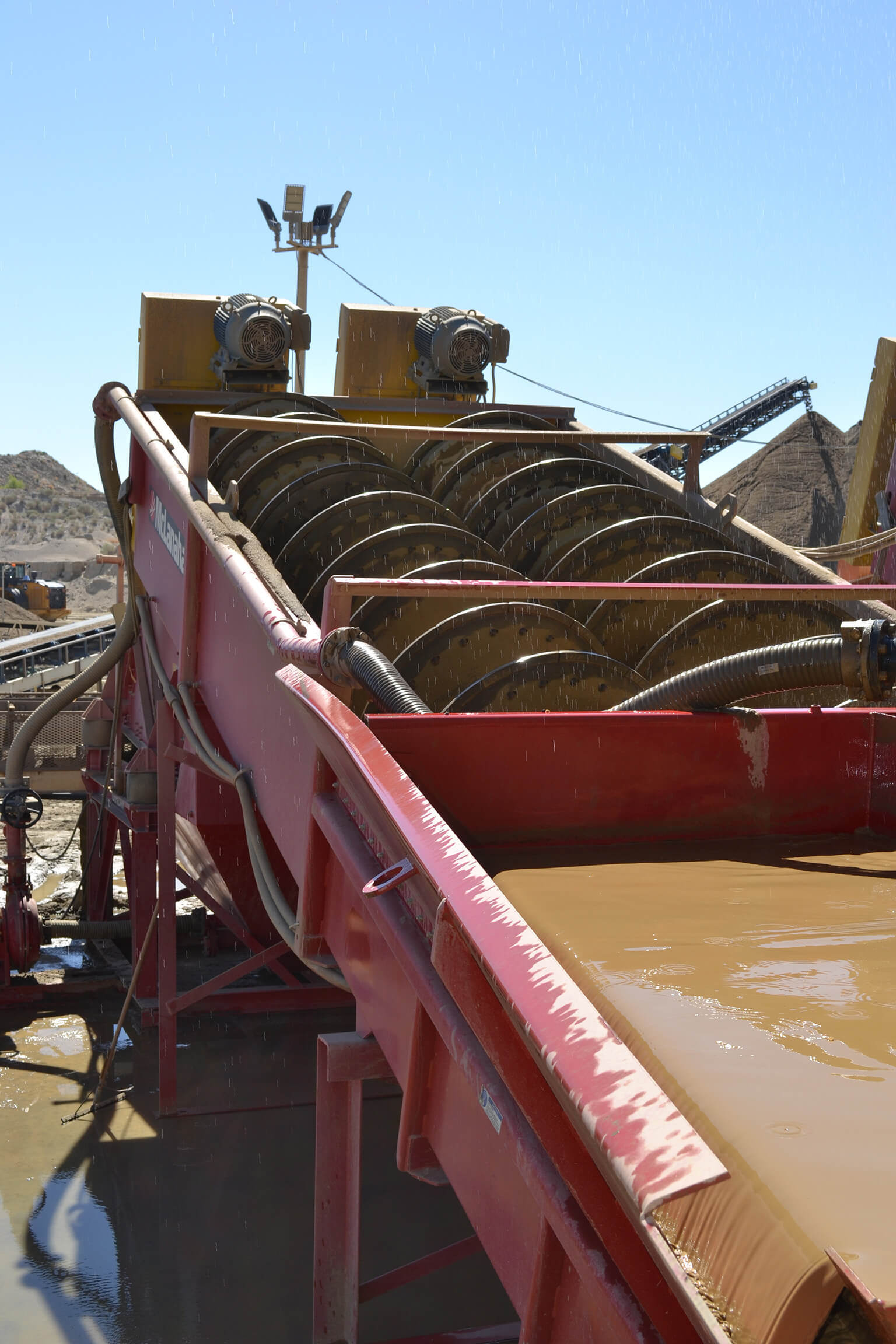
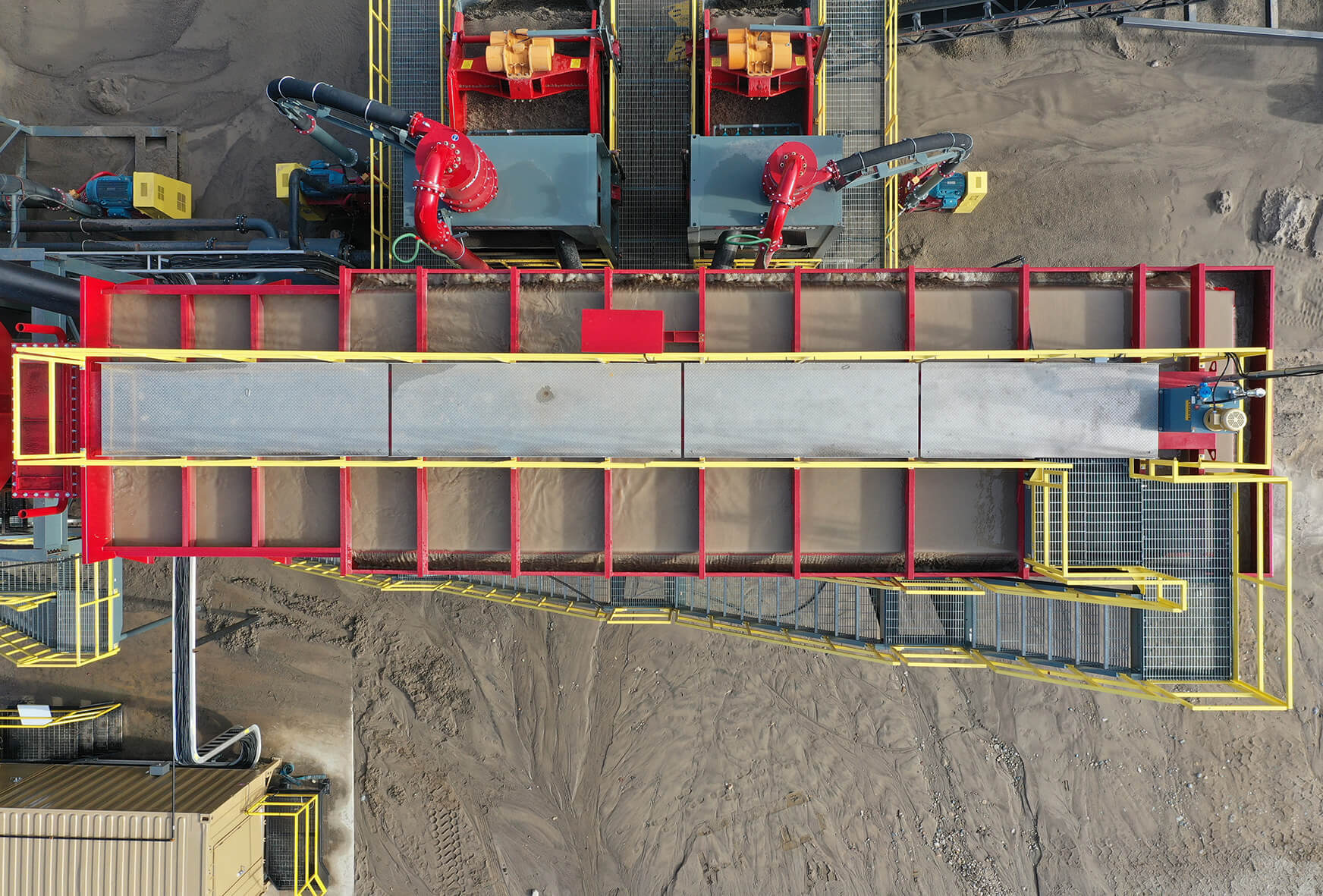
Another staple is the Classifying Tank, a compartmentalized system that allows for granular separation based on particle size and settling rate. Operators can adjust valves to divert specific grain sizes to various discharge points, creating multiple products from a single source. Sand Classifying Tanks are good at controlling the gradation of sand particles when feed is consistent and doesn't change much. However, if the characteristics of the material going into the tank vary significantly, these tanks struggle to adjust and maintain the same level of precision.
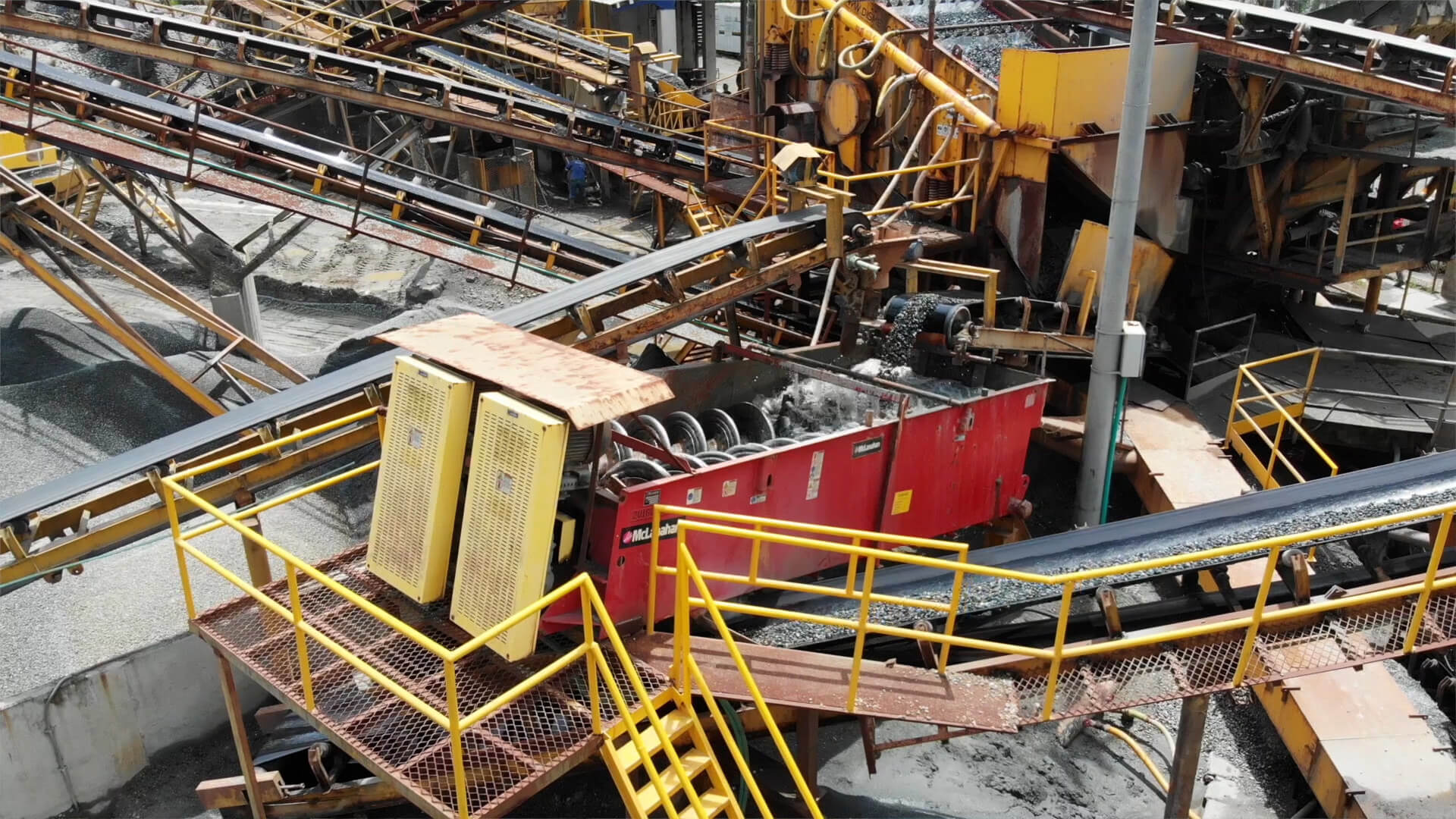
Then there’s the Coarse Material Screw Washer, designed to handle larger aggregate sizes and break down feeds with high clay content. It’s ideal for cleaning gravel and removing tougher contaminants. These units remain crucial in many quarries where the raw feed is particularly dirty or abrasive.
While these machines have served the industry well for decades, today’s specifications are more precise and require equipment that can consistently meet specifications.
Sand Processing Equipment Innovations
To address the need for greater precision, efficiency and environmental responsibility, manufacturers have developed a new generation of sand washing and classification tools. These machines offer different separation capabilities, higher recovery rates and better control over product quality.
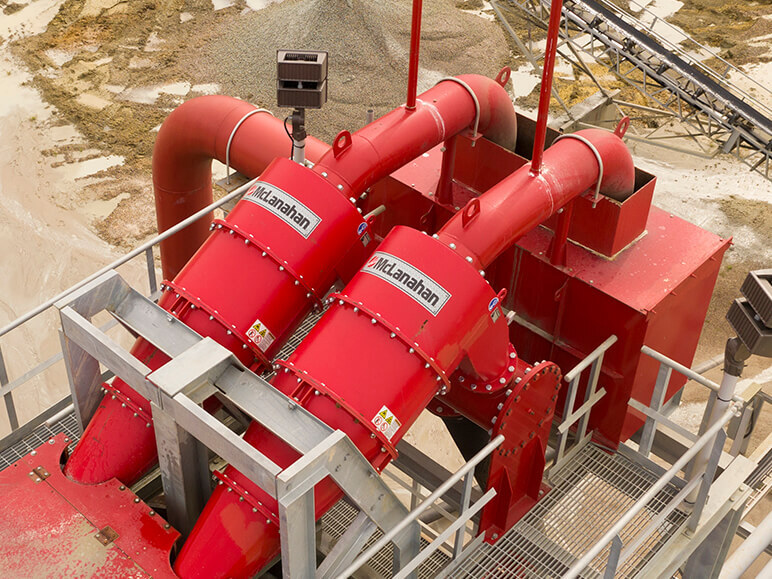
Cyclones and Separators™ are among the most significant advances in fine sand recovery. These systems use centrifugal force to separate solids from liquid in a compact, high-speed operation. Fine particles are recovered with minimal water, improving yield and reducing the amount of waste sent to the pond. Cyclones are often integrated into modular washing plants and paired with other equipment like Dewatering Screens for complete processing solutions.
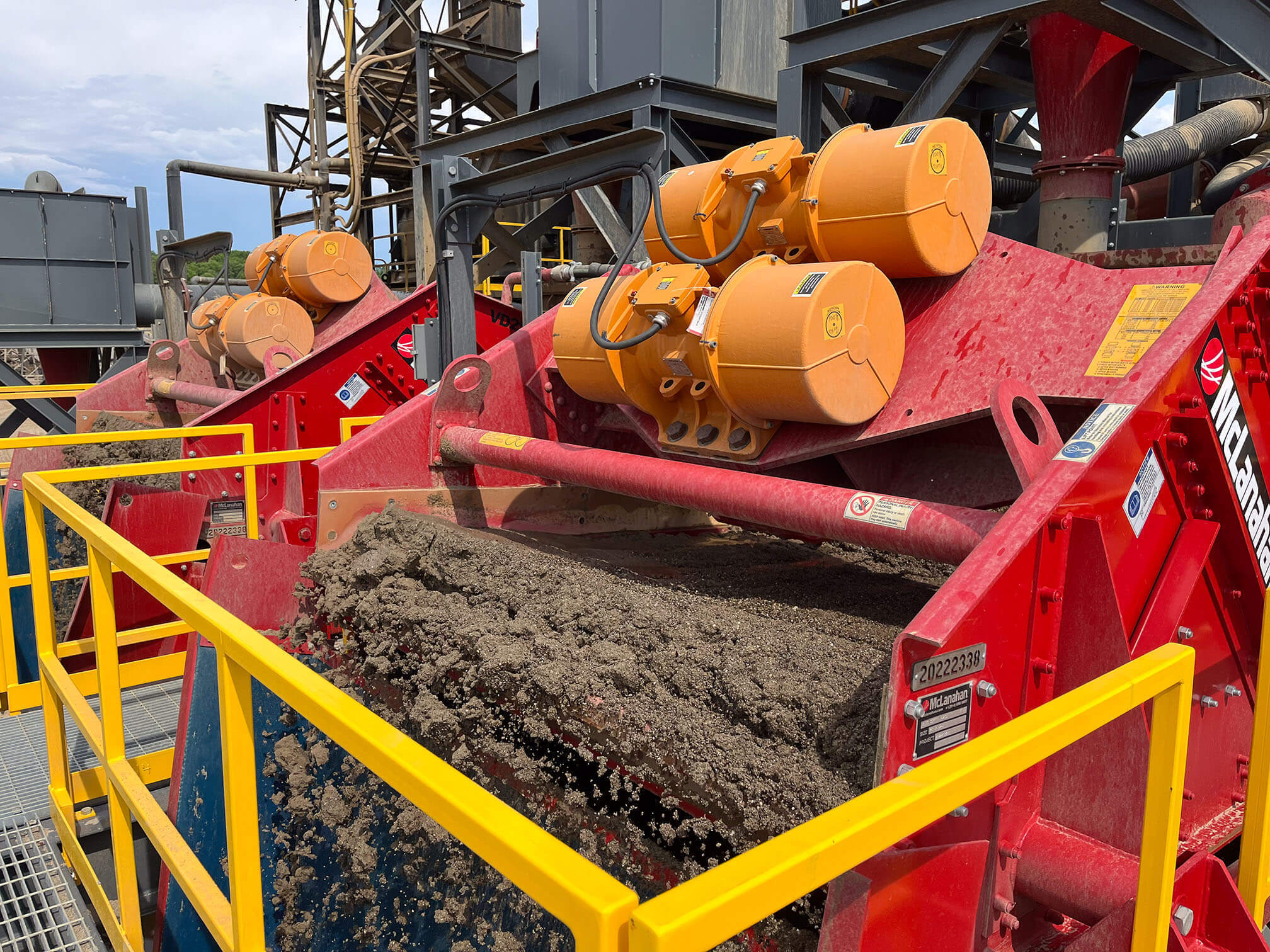
Dewatering Screens have also become increasingly common. These high-frequency vibrating screens are used to remove moisture from washed sand, producing a product with a moisture content low enough to stack, load or convey immediately. Dewatering Screens are ideal for improving overall plant efficiency because they reduce drying times, producing a dryer stockpile. Dryer stockpiles can be stacked taller so producers can store more product on the same plot of land than stockpiles with a higher moisture content.
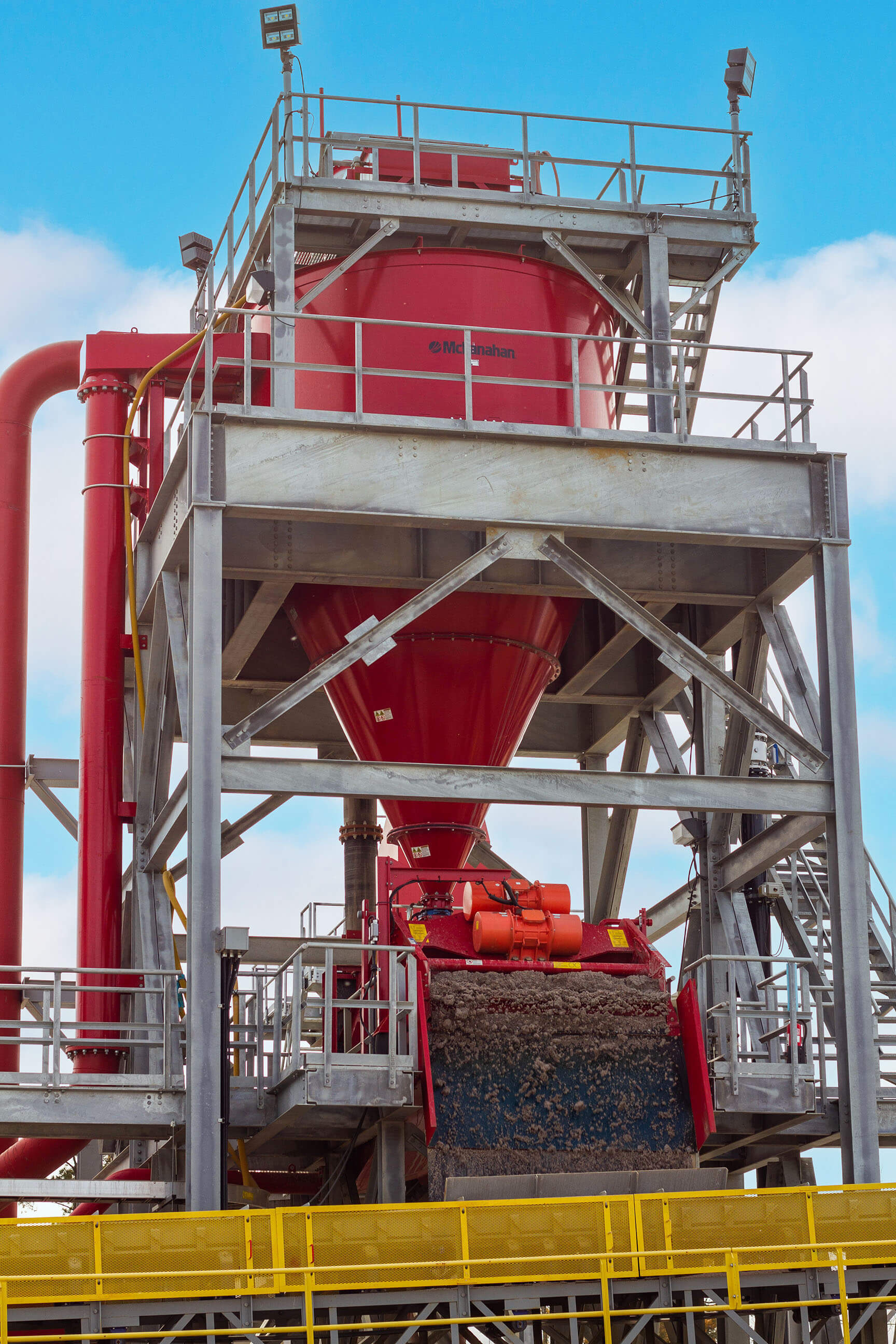
Another standout technology is the Hydrosizer®, a type of hindered settling classifier that uses upward-flowing water to separate particles by density and size. Hydrosizers® are highly accurate, making them perfect for meeting demanding spec sand requirements. They are especially useful in applications where precise sand gradation is required.
Blending innovation with familiarity, Flat Bottom Classifiers offer a hybrid between classifying tanks and hydrosizers. These units provide exceptional control over fine sand gradation and can be adjusted quickly to adapt to changing feed material or customer specs.
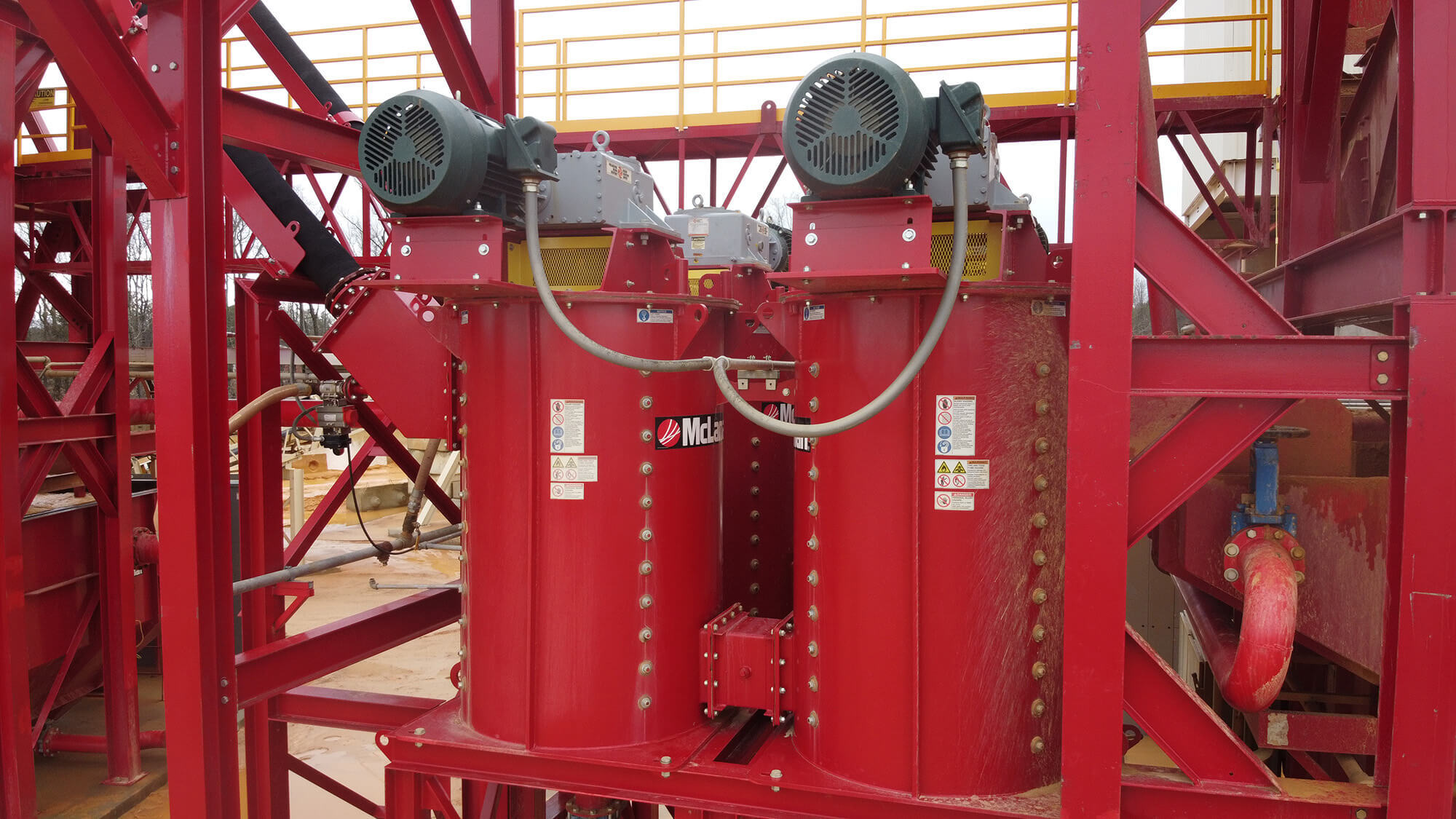
Attrition Cells provide a more aggressive level of cleaning. They scrub sand particles by forcing them to collide against each other inside a high-energy tank. This process removes contaminants. Attrition cells are commonly used in high-spec industrial sand applications, such as glass or frac sand production, where purity, particle size and particle shape are essential.
Sand Washing Plants
Modern sand washing plants combine several pieces of equipment into a streamlined process. A typical plant may include everything from a feed hopper, cyclone system, dewatering screen and attrition cells to a fines recovery and water recycling system - all designed to work together efficiently. These systems reduce water usage, energy consumption and material handling needs. More importantly, they deliver a consistent, in-spec product in a compact footprint.
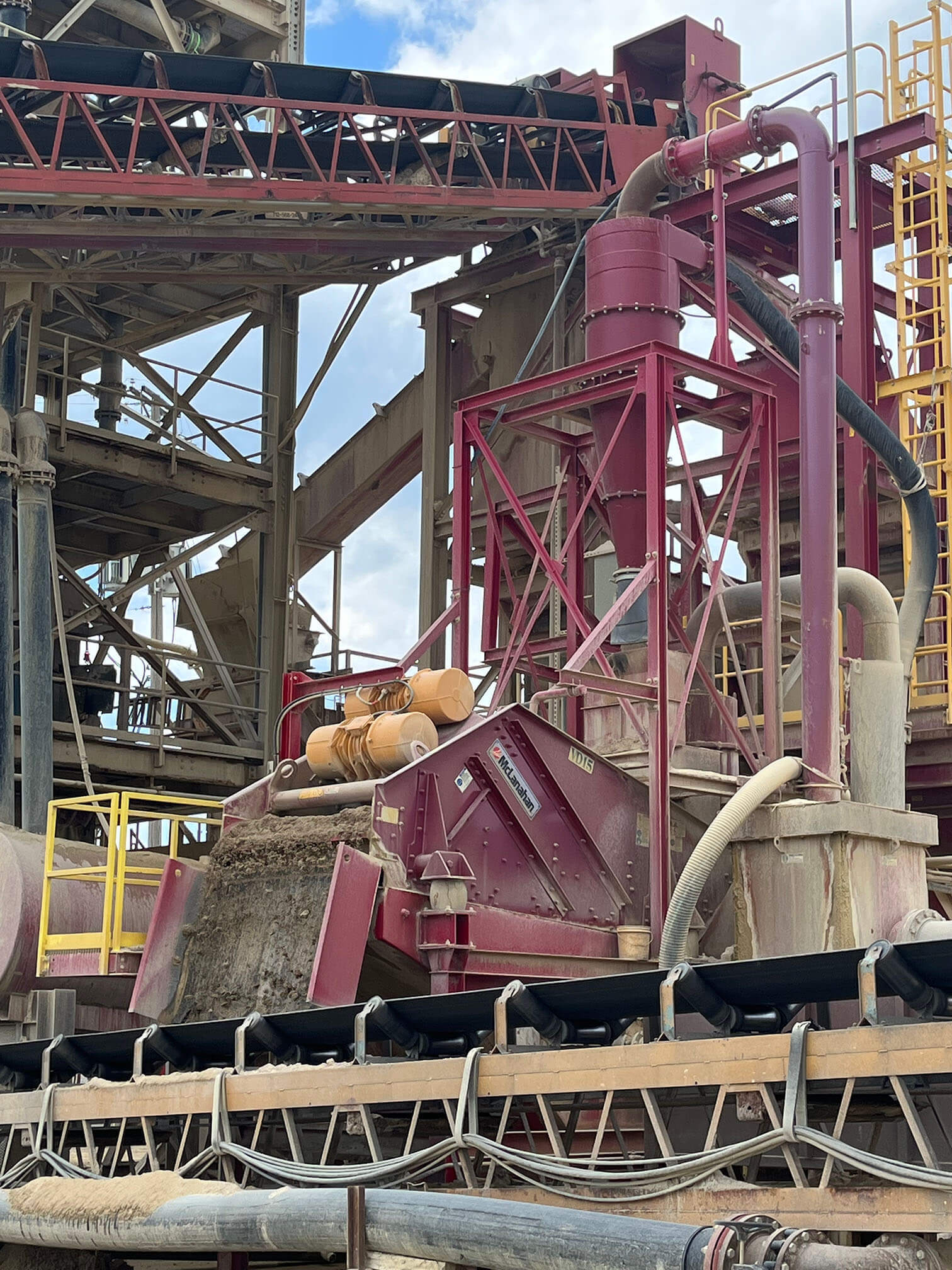
Today, many manufactures are also able to provide modular wash plants that are designed for quick installation. So in addition to large-scale custom processing plants, producers also have the option for a system that can be easily moved or adjusted for remote sites or to meet rapidly changing project demands.
One of the best strategies available to producers today is integrating classic equipment with newer technologies. There's no need to discard what already works, so combining classic equipment and more recent innovations allows you to extend the equipment’s capabilities, while minimizing capital expenditure.
For example, a Fine Material Screw Washer might be upgraded by adding a Dewatering Screen to produce a drier product or a Scavenger System to minimize fines and material loss. A Classifying Tank system could be paired with a Hydrocyclone and an UltraSAND Plant to improve recovery of fines.
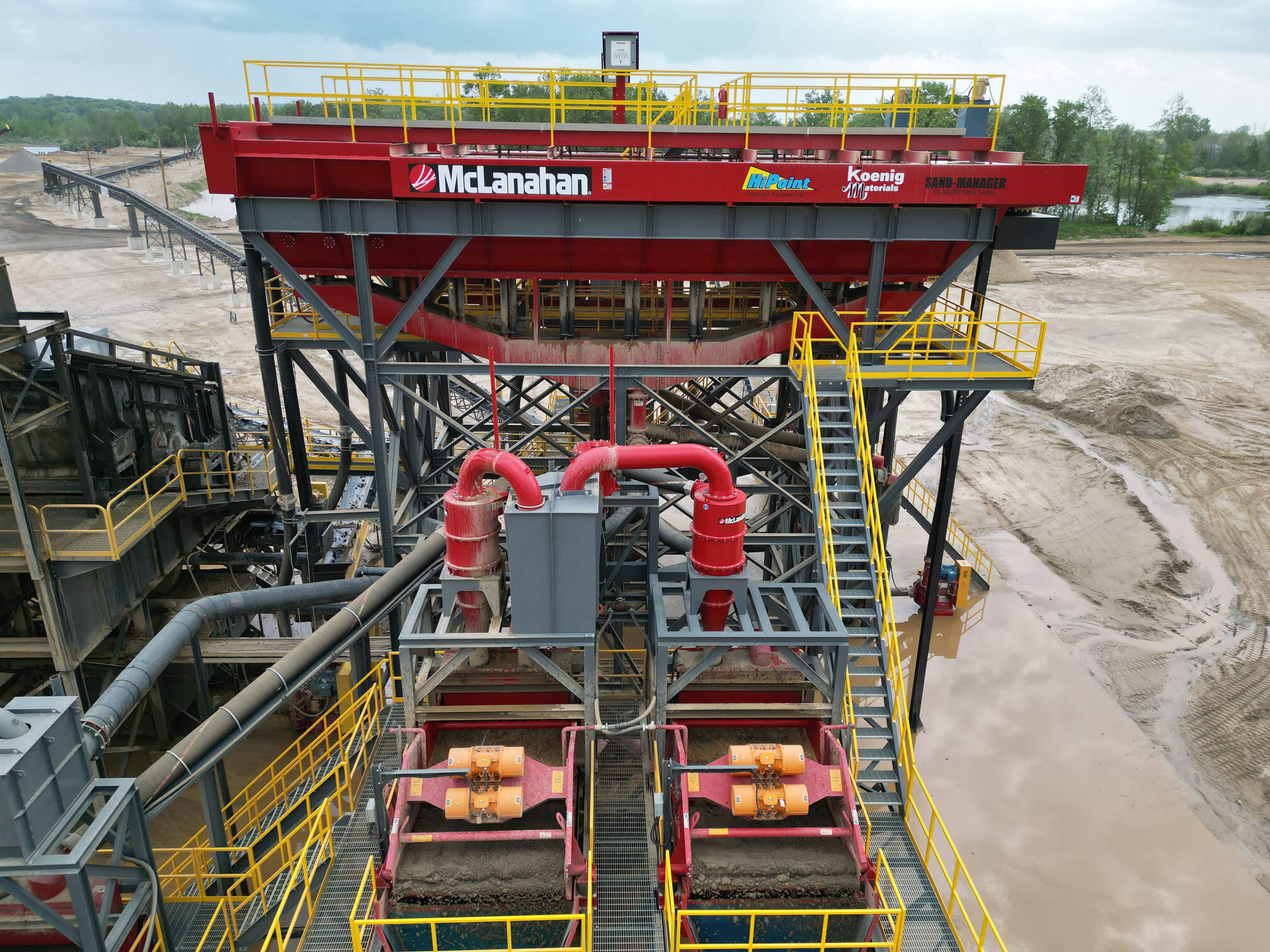
This hybrid approach allows producers to balance reliability and innovation while staying within budget and maintaining operational needs. It also allows upgrades to made in phases so older plants can be modernized incrementally rather than all at once.
The Future of Sand Processing
As the aggregate industry continues to evolve, the importance of sand washing systems will only grow. Rising standards for performance, sustainability and profitability are driving demand for cleaner, more precise sand products. Equipment manufacturers are responding with smarter, more efficient technologies but the key to success remains in how the equipment is utilized.
Understanding both the strengths of traditional machines and the capabilities of modern systems will give producers the best chance to succeed in the market. By utilizing the best of both equipment types, they can deliver high-quality products consistently, operate more sustainably and adapt quickly to changing industry demands.
The evolution of sand washing equipment follows the larger transformation happening in the aggregate industry. It’s not just about cleaning material. It’s about producing high quality sand to meet increasingly specific and demanding requirements. Whether you're using Screw Washers and Classifying Tanks or exploring Dewatering Screens and Hydrocyclones to make a complete plant, the goal of producing cleaner, more consistent sand at a lower cost and with reduced environmental impact is the same.
By combining classic equipment with modern innovations, aggregate producers can build flexible, innovative systems that deliver measurable results.

