Why Anaerobic Digesters Matter
As dairy producers face increasing pressure from markets, rising energy costs and growing environmental expectations, anaerobic digesters are becoming an important tool for long-term farm sustainability. These systems allow farms to transform manure, a consistent on-farm resource, into renewable energy, valuable nutrients and marketable byproducts.
Anaerobic digesters not only support renewable natural gas production, but also strengthen farm resiliency, protect natural resources, and improve relationships between dairy farms and surrounding communities.
What Is Renewable Natural Gas?
Renewable natural gas (RNG) is chemically identical to conventional natural gas used for heating and cooking. What makes it renewable is the source - captured methane produced by decomposing organic materials such as manure or landfill waste.
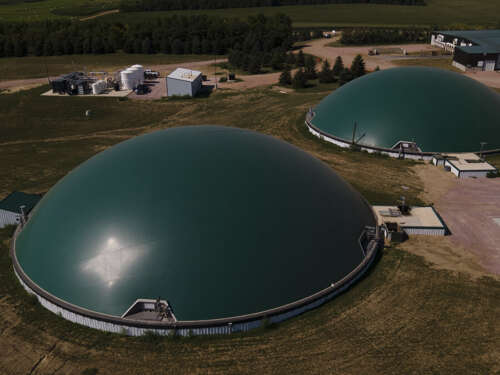
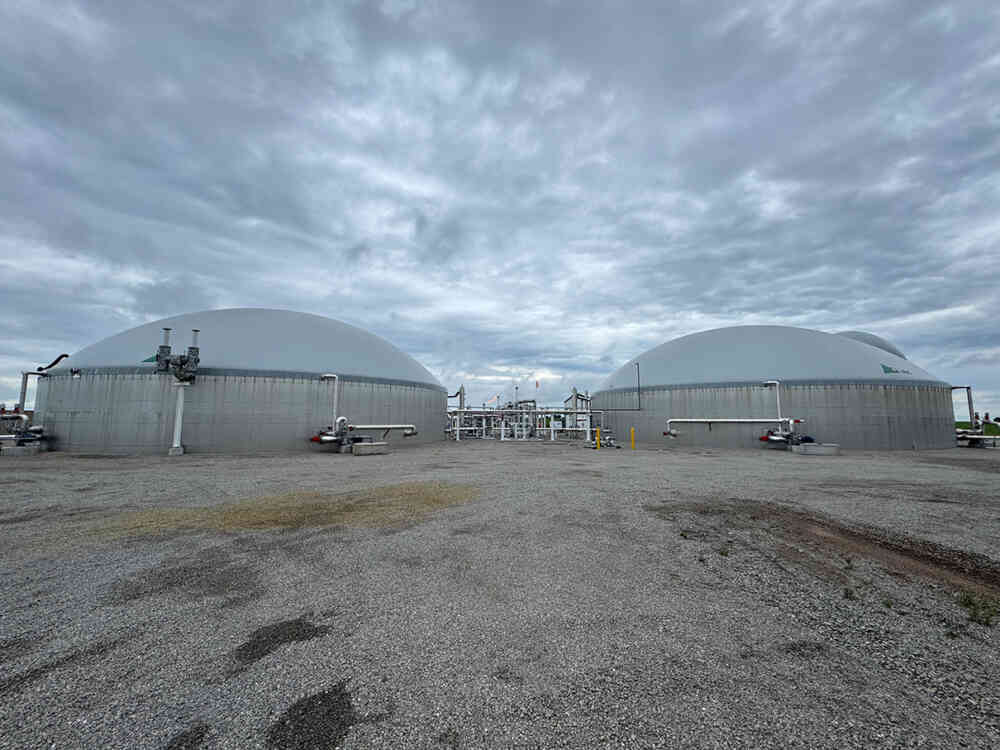
On dairy farms, manure is sent to an anaerobic digester, which captures raw methane (also called biogas) before it is released into the atmosphere. That methane is then refined into RNG or used directly for energy production.
How Anaerobic Digesters Work
Anaerobic digestion is a biological process in which microorganisms break down organic material in an oxygen-free environment.
In a typical dairy system:
- Manure is collected and fed into a sealed digester.
- Microorganisms break down the manure, producing biogas rich in methane.
- The biogas is captured and used for electricity, heat or upgraded to renewable natural gas.
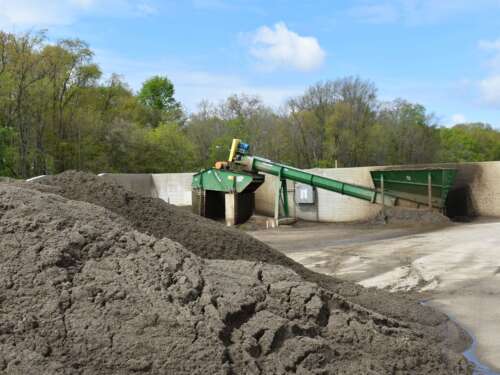
- The remaining material, known as digestate, is separated into liquid and solid components that can be reused on the farm or sold.
This closed-loop system allows farms to recover energy while recycling nutrients.
Benefits of Anaerobic Digestion
Anaerobic digesters on dairy farms have many benefits, including:
- Diversified farm revenue
- Conservation of agricultural land
- Energy independence
- Sustainable food production
- Improved farm-community relationships
Diversified Farm Revenue
While manure has always been a resource on dairy farms and can be used as fertilizer and bedding, maximizing its value increases resiliency against market uncertainty.
Anaerobic digester systems provide:
- Organic nutrients from the liquid and solid byproducts of digested manure. These can be used both on-farm or sold.
- Dairy cow bedding is produced from digested solids.
- Biogas that can generate electricity, heat or renewable fuel for on-site use or sale to the local grid.
These revenue streams help stabilize farm income and reduce reliance on a single commodity market.
Conservation of Agricultural Land
Healthy soil and water are essential to successful dairy farms and are important to farmers and the communities they support. Many farms implement conservation practices to pass their legacy and land from one generation to the next.
Installing an anerobic digester on a dairy farm can:
- Improve soil health by converting the nutrients in manure to a more accessible form for plants to absorb.
- Help protect local water resources by reducing nutrient run-off.
- Increase nutrient-use efficiency across cropping systems.
Energy Independence
Anaerobic digesters provide farms with an opportunity for energy independence on external sources. According to the United States Environmental Protection Agency, methane is the primary component of renewable natural gas and biogas from manure is composed of more than 50% methane.
Anaerobic digester systems can:
- Meet on-farm energy needs by generating electricity for barns, milking parlors and housing.
- Supply renewable energy to the local grid.
- Convert manure to renewable natural gas for pipeline injection or vehicle fuel.
Environmental and Climate Benefits
Capturing methane through anaerobic digestion significantly reduces greenhouse gas emissions that would otherwise result from manure storage. By preventing methane from escaping into the atmosphere and replacing fossil fuels with renewable energy, digesters play a critical role in regenerative agriculture.
Additional environmental benefits include:
- Reduced odors during manure storage and land application.
- Improved air quality.
- Enhanced nutrient management.
As the population continues to grow, demand for safe and nutritious food supply is needed. Efficient use of water, nutrients and energy allows dairy farms to reduce their environmental footprint while maintaining productivity.
Renewable natural gas production from manure contributes to sustainability goals by:
- Lowering emissions per unit of food produced.
- Improving nutrient-use efficiency.
- Supporting a circular agricultural system.
Farm-Community Relationships
As dairy farms grow closer to urban and suburban communities, dairies face new challenges in demonstrating stewardship and maintaining strong community relationships. Reducing odors and other impacts of dairy farms can improve farm-community relations and make growth possible for dairy farms.
These improvements can:
- Increase public trust.
- Support responsible farm growth.
- Strengthen connections between farms and their neighbors.
The Growing Role of Manure Solids
After anaerobic digestion, the leftover residual material, called digestate or digestate solids, can provide opportunities for value-added byproducts or additional revenue streams for dairy farms.
Bedding
Manure solids can be dried and conditioned for dairy cow bedding after anerobic digestion. While additional conditioning and drying are required before reuse, digestate solids provide a consistent, on-farm bedding source.
Manure solids can be separated from the digestate using various solid-liquid separation technologies such as slope screens, rotary drums, roll presses and screw presses. The volume and moisture content of the separated solids will vary depending on the equipment used. Digestate solids are high in fiber and contain undigested organic material making them well-suited for bedding.
Fertilizer
During anaerobic digestion, nutrients contained in the feedstock are mineralized, which is the process where organic nutrients are converted into simple, inorganic forms. These nutrients are then readily available for plants to use. Digestate solids contain higher concentrations of plant-available nitrogen and phosphorous compared to undigested manure. The high carbon content of digestate solids adds organic matter to the soil and improves the water holding capacity of the soil. Nutrient content will vary depending on digester type, solid-liquid separation equipment and management. Solids as a fertilizer source can be used wet, blended with other materials or composted, dried and pelletized.
Economic and Management Considerations
While anaerobic digesters offer many benefits, successful implementation requires careful planning. Farms must consider capital investment, operational management, maintenance and labor requirements. Partnerships with energy developers, utilities or cooperatives can help offset costs and increase operational efficiency.
Looking Ahead: The Future of Digesters and Dairy Sustainability
Advancements in digestion technology, nutrient recovery systems and renewable natural gas markets continue to expand opportunities for dairy farms. As demand for low-carbon energy grows, anaerobic digesters are poised to play an even greater role in supporting both agricultural viability and environmental goals.
The Path Forward
Anaerobic digesters and manure solids management offer dairy farms a powerful way to turn manure into renewable energy, valuable nutrients and economic opportunity. By improving energy independence, protecting natural resources and strengthening community relationships, these systems help ensure dairy farms remain sustainable, productive and resilient for generations to come.