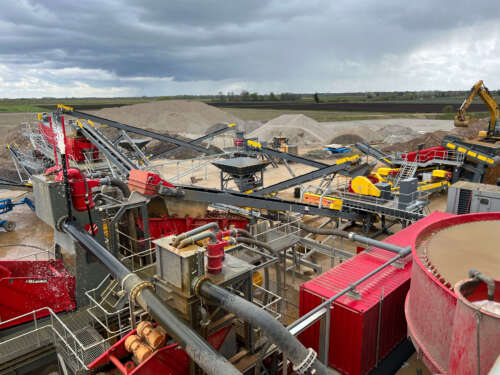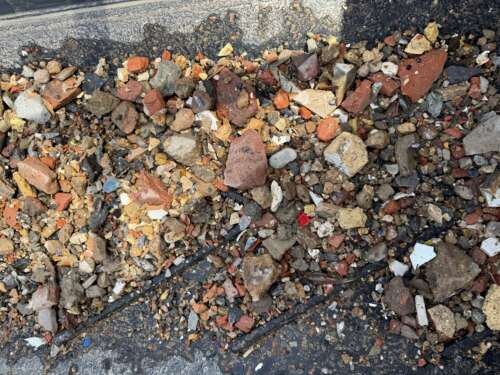
Recycling your construction and demolition (C&D) waste) is a multi-step process that allows producers to recover valuable resources from an array of inert waste streams that would otherwise be sent to a landfill. C&D recycling promotes responsible material processing, contributing to a cleaner and more sustainable future. It helps meet the increasing demand for construction aggregates while minimizing the reliance on natural resources. While dry processing functions, such as crushing and screening are popularly associated with C&D recycling, wet processing is also crucial step in the processing of C&D materials.
This process enhances the recovery of aggregates from construction and demolition waste, offering benefits in terms of product quality and environmental sustainability. Using water to clean and separate materials improves the quality of recycled products, reduces environmental impact, and even increases recycling efficiency.
Understanding The Need For Wet Processing in C&D Recycling
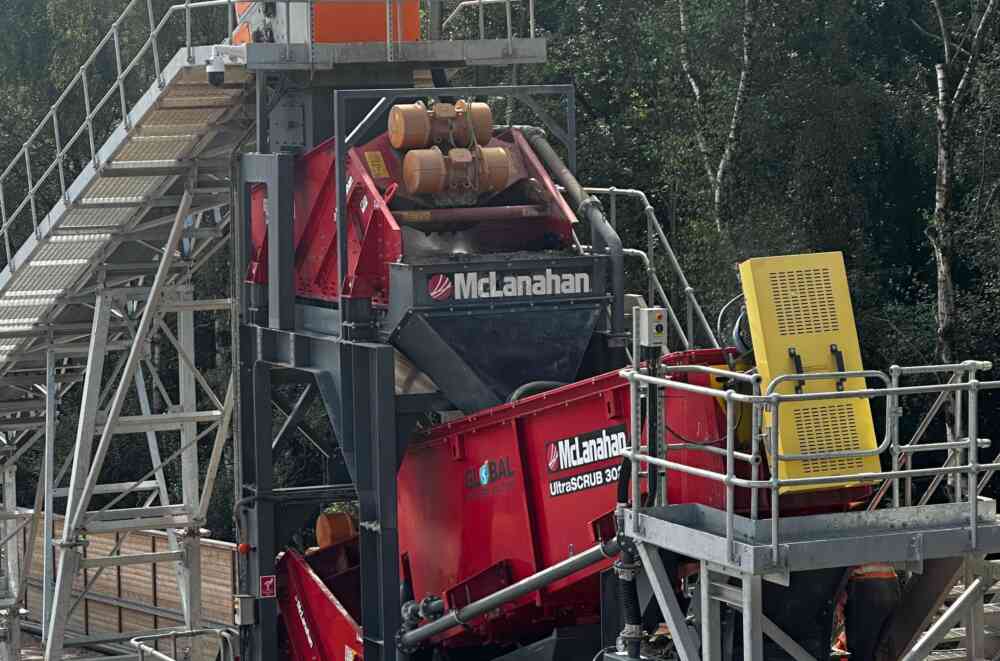
Wet processing involves the use of water to wash and classify materials, typically through a combination of screens, cyclones, and dewatering equipment. In the context of C&D recycling, the process is used to clean aggregate material recovered from C&D debris streams, removing contaminants like clay, silt, dust, and other unwanted materials that can negatively affect the quality of recycled aggregates. This ensures that the final product meets the necessary specifications for reuse in other construction and aggregate-based projects.
Reasons For Wet Processing in C&D Materials
1. Improved Product Quality
One of the primary advantages of wet processing in C&D recycling is its ability to enhance the quality of the aggregates produced. C&D waste is a mixed material – a combination of many different pieces of material, such as glass, wood, metal and more. Without proper processing this combination of materials can affect the quality of the final product as these mixed materials can introduce impurities that can compromise the strength and durability of the aggregates.
By separating materials and then removing undesirable contaminants, such as clay, silt and dust, producers can ensures that only clean, high-quality aggregates remain, making them suitable for use in a range of applications.
2. Better Classification of Aggregates
C&D waste often contains materials of various sizes. Wet processing offers an efficient way of classifying these materials into different sizes, creating various salable products from the waste stream. By using a combination of screens, cyclones and dewatering systems, wet processing can help separate materials into desired sizes like fine aggregates, coarse aggregates and sand. This classification process is important because different types of aggregates are required for different uses. The ability to produce accurately classified aggregates is key to ensuring the recycled material meets industry standards and is suitable for various applications.
3. Increased Recycling Rates and Resource Conservation
By transforming waste materials into valuable aggregates, wet processing reduces the demand for virgin materials, conserving natural resources like sand, gravel and crushed stone. This is particularly important in areas where aggregate resources are limited or where the environmental impact of extracting virgin materials is high.
Wet processing plays a key role in reducing the demand for virgin aggregates by allowing the recycling of C&D waste into usable materials.
Recycling C&D waste not only conserves natural resources but also helps reduce the amount of waste sent to landfills. In many regions, landfills are rapidly reaching capacity, and finding sustainable solutions for waste management is critical. Wet processing helps divert large quantities of C&D waste from landfills by allowing the material to be repurposed for other projects.
4. Cost-Effective Aggregate Production
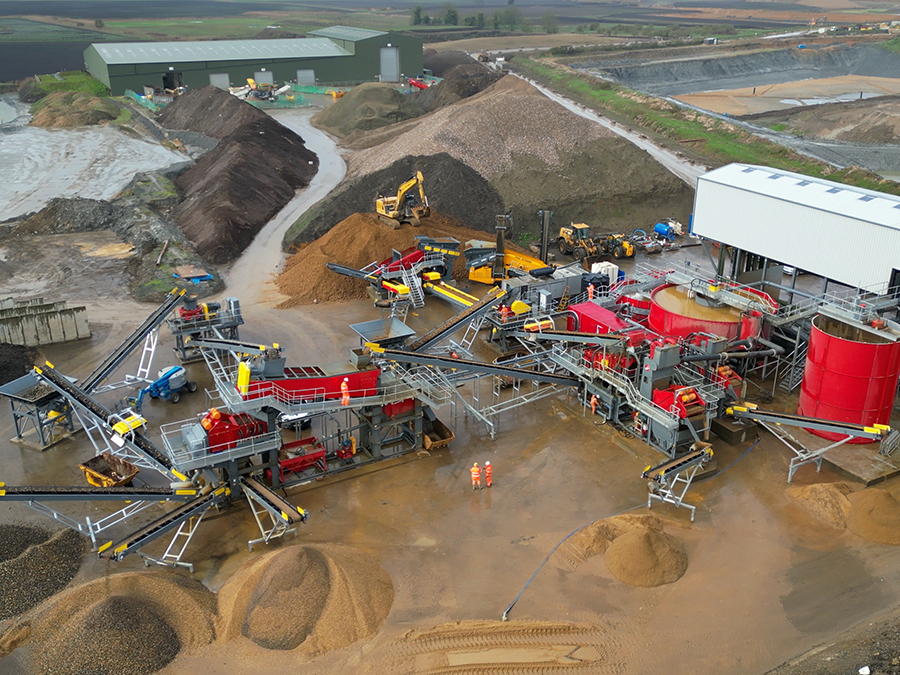
While the initial investment in wet processing equipment can be high, the long-term cost savings and economic benefits make it a worthwhile investment for many operations. Washing and classifying these recycled aggregates allows producers to sell a product that would have previously been deemed a waste material. Not only does this increase profits from the sale of the product, but it also lowers operating costs. Aggregates that would have previously needed to be transported to a waste facility are now processed on site and sold to customers, minimizing transport costs, as well as the wear and tear on transportation equipment.
The ability to produce recycled aggregates that meet quality specifications also means that these materials can be sold at competitive prices, offering a cost-effective alternative to virgin aggregates.
5. Water Recycling and Management
Another important feature of wet processing is its ability to recycle and manage water used in the washing and classification process. Many wet processing systems are designed with closed-loop water recovery systems that allow for the reuse of water, minimizing water consumption and reducing the environmental impact of new water usage. The closed-loop system filters and recycles the water used in the washing process so that it can be used again without contaminating the environment or being sent to a settling pond. This contributes to the overall sustainability of the recycling operation, as it reduces wastewater and prevents the discharge of pollutants into the surrounding ecosystem. In areas with limited water resources, the ability to continuously recirculate the water used in the plant can be a particularly important feature, ensuring that wet processing remains a sustainable practice even in water-scarce regions.
Wet processing can play an important role in C&D recycling. By improving the quality of recycled aggregates, enhancing classification, and reducing overall waste, wet processing helps produce in-spec materials that meet industry standards while helping your operation be more sustainable.