Across the construction industry, concrete is one of the most widely used building materials, and one of the most commonly discarded. Demolition projects, road reconstruction, utility work and rejected pours all generate large volumes of concrete waste. Too often, that material is treated as a disposal challenge rather than a resource.
With the right processing approach, however, concrete waste can be transformed into valuable, reusable material that supports both operational efficiency and long-term sustainability. Instead of sending concrete to landfills or stockpiling it on-site, producers and contractors can recover high-quality aggregates and turn waste streams into new opportunities.
The Growing Challenge of Concrete Waste
Construction and demolition (C&D) activities generate millions of tons of waste each year, with concrete accounting for a significant portion of that total. This growing volume is why many producers are investing in construction and demolition recycling solutions rather than relying on disposal.
Historically, the simplest solution was to haul this debris to a landfill. But rising tipping fees, limited landfill capacity and tightening environmental regulations are making disposal increasingly expensive and restrictive.
At the same time, many regions continue to experience growing demand for construction aggregates. Infrastructure projects, housing developments and road maintenance all require consistent supplies of aggregate material. This combination of rising disposal costs and strong aggregate demand is driving greater interest in recycling concrete waste instead of discarding it.
Why Recycling Concrete Makes Sense
Recycling concrete isn’t just an environmentally responsible choice, it’s a sound operational decision. When processed correctly, concrete waste becomes a reliable source of aggregate material suitable for a wide range of applications.
Recycling concrete allows operations to:
- Reduce hauling and landfill expenses
- Reclaim usable aggregates from material previously considered waste
- Lower reliance on virgin aggregate sources
- Improve site organization and material flow
- Support sustainability initiatives and regulatory compliance
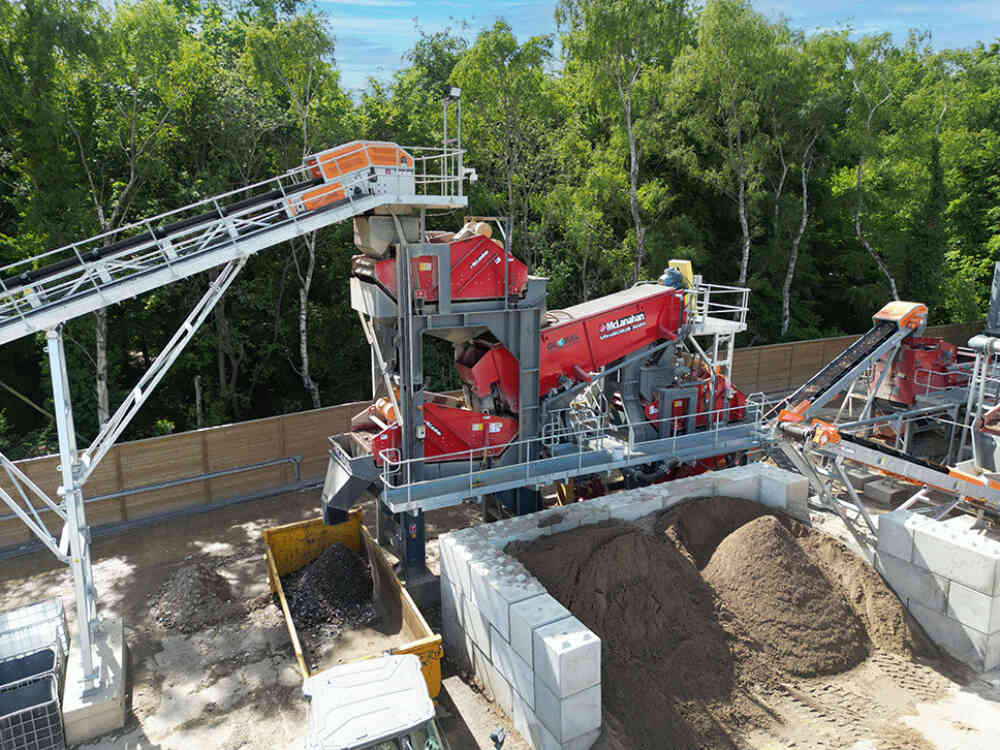
Even basic crushing and screening operations can convert concrete rubble into usable material. With additional processing, that material can meet increasingly stringent specifications, opening the door to higher-value applications and broader market acceptance.
How Concrete Waste is Turned Into Reusable Material
Concrete recycling follows a relatively straightforward process, but successful outcomes depend on choosing the right equipment and designing an efficient system that matches the material and production goals.
Breaking Down C&D Concrete Waste
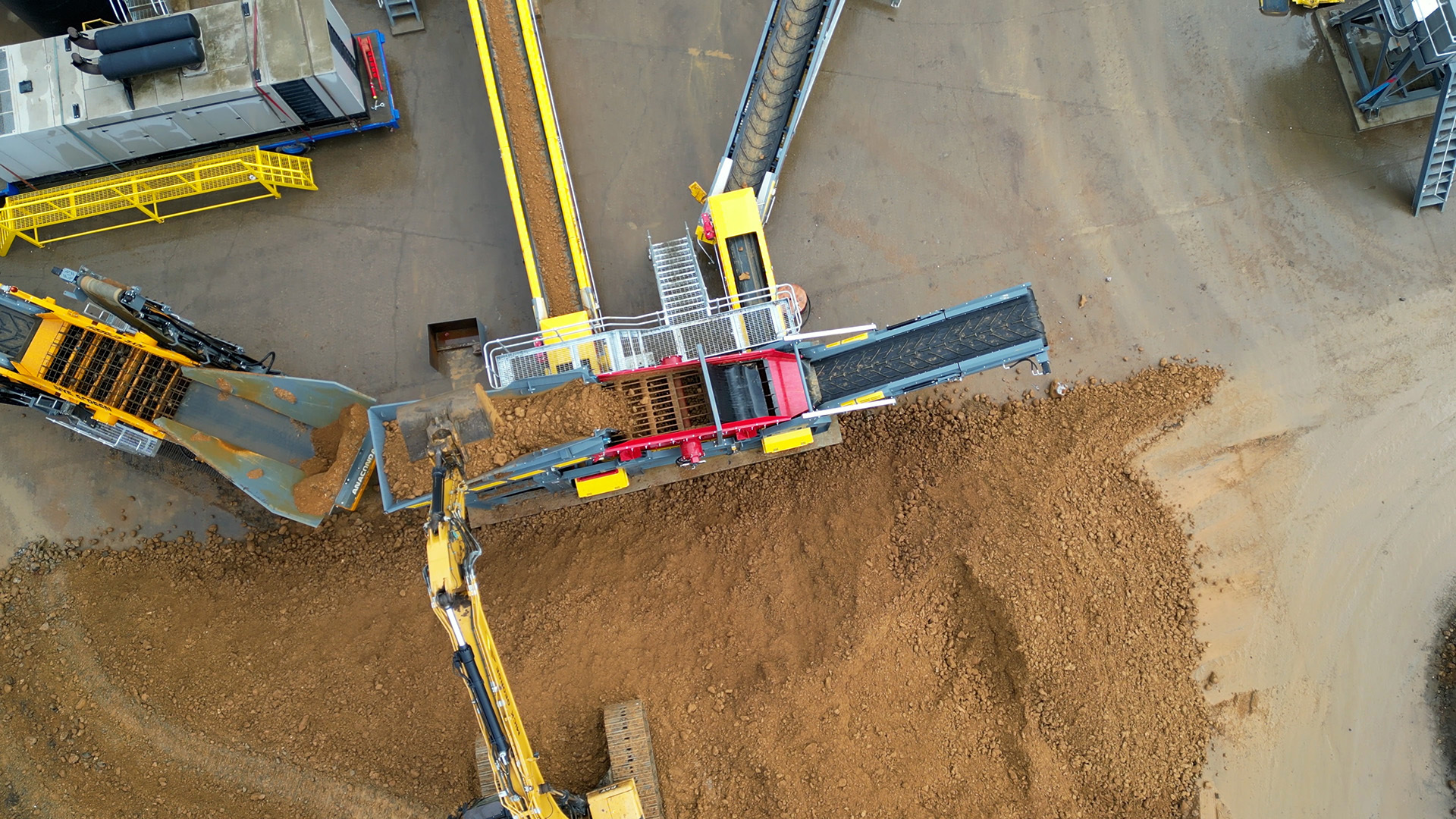
The process starts by reducing the size of concrete rubble using equipment designed for concrete recycling that can handle abrasive, reinforced material. Crushing liberates the embedded aggregate while preparing the material for separation and sizing.
It’s also critical to remove rebar, wire and other contaminants early in the process. Proper metal removal protects downstream equipment, minimizes wear and improves the quality of the final product.
Separating and Sizing Aggregates
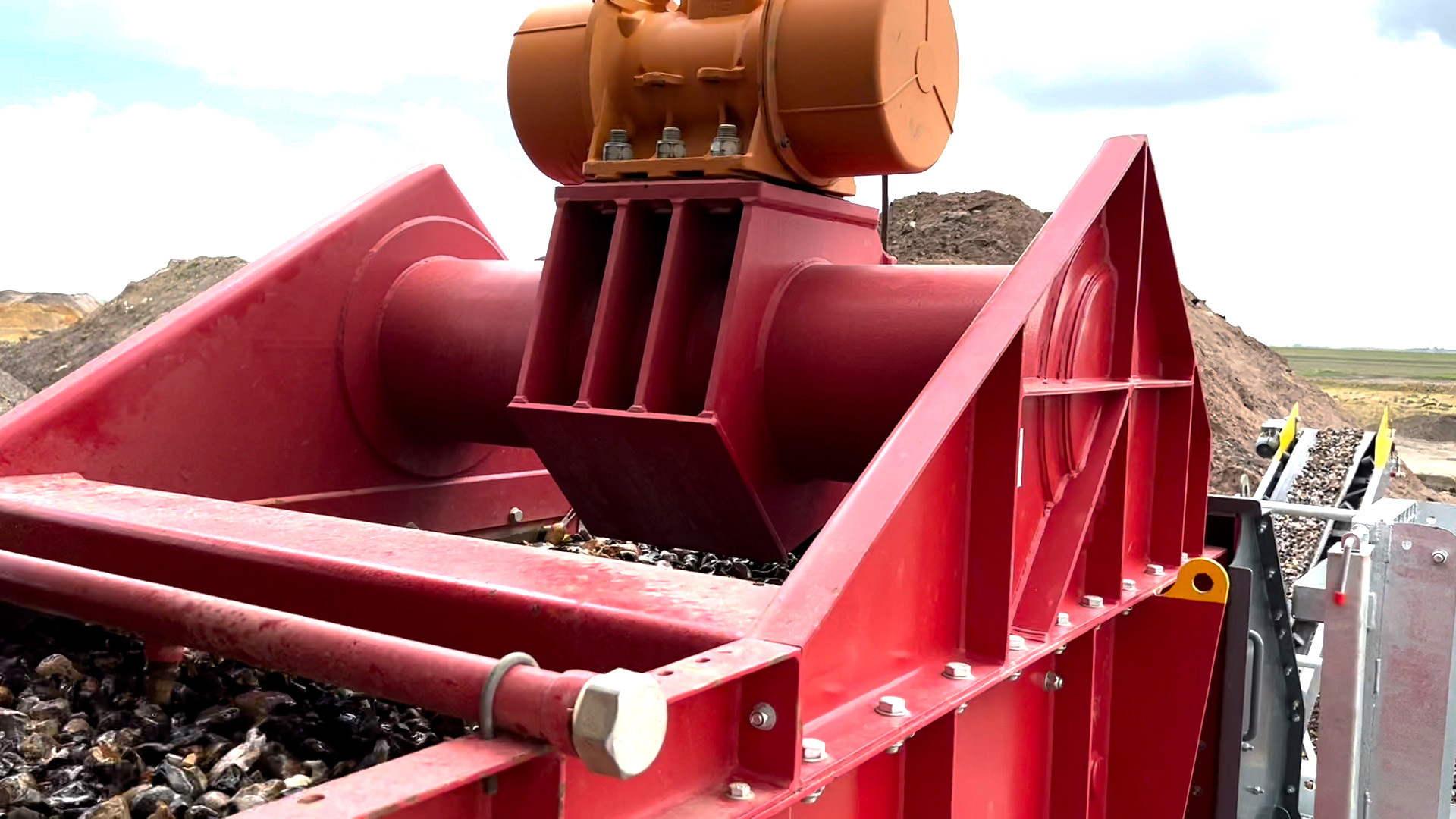
After crushing, material is screened to separate it into size fractions that meet specific gradation requirements. Screening ensures consistency and allows producers to tailor products for local markets or project specifications.
In some cases, additional stages of crushing or screening may be used to further refine material. This helps maximize usable output while maintaining product quality.
Managing Fines and Residual Material
Not every particle generated during recycling becomes finished aggregate. Fine material, dust and residual debris must be managed effectively to maintain productivity and comply with environmental requirements.
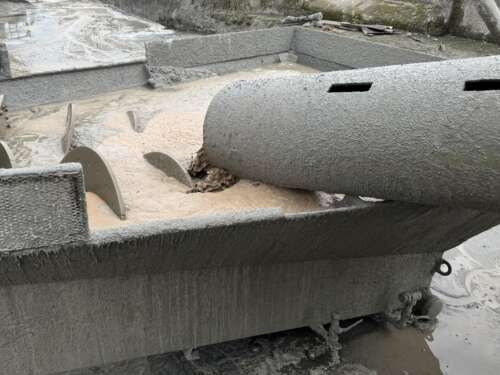
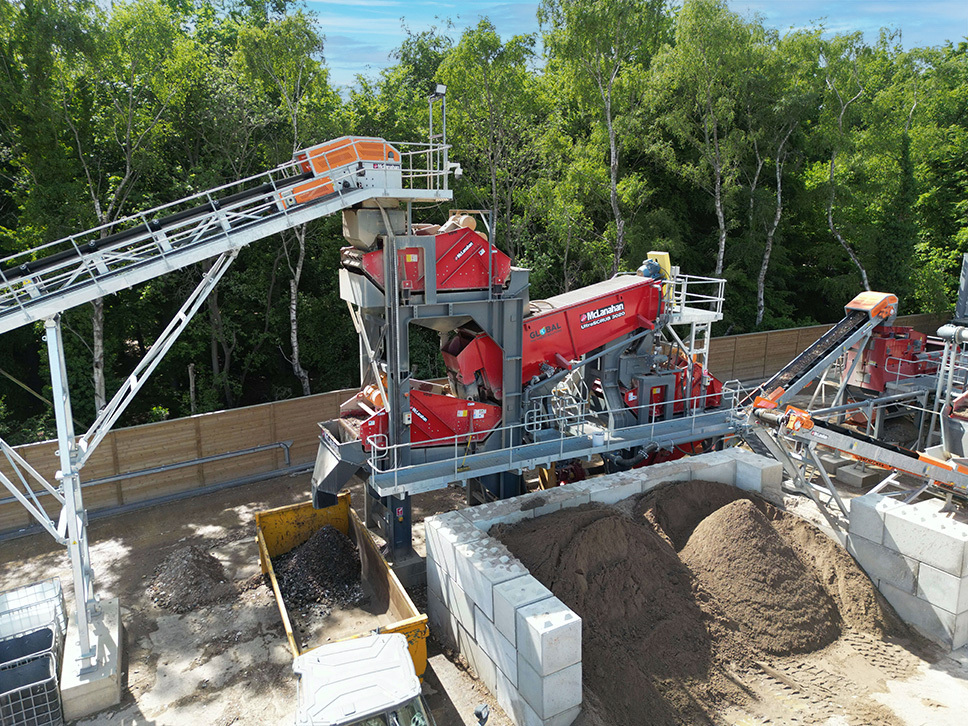
Incorporating washing or fines management systems can improve overall recovery, reduce waste volumes and create cleaner, more marketable products.
Where Recycled Concrete Aggregates Are Used
Recycled concrete aggregates are widely used across the construction and infrastructure sectors. Depending on local regulations, processing methods and material quality, common applications include:
- Road base and subbase
- Utility bedding and trench backfill
- Structural and engineered fill
- Drainage layers
- Lean concrete or blended aggregate products
Many municipalities and project owners now specify or encourage the use of recycled materials, particularly in publicly funded infrastructure projects. This creates a clear path for recycled concrete to compete directly with virgin aggregates.
Improving Productivity and Profitability
Turning concrete waste into reusable material delivers benefits that go far beyond waste reduction. Operations that invest in effective recycling strategies often see improvements throughout their production process.
Key advantages include:
- Increased yield from material that was previously discarded
- Lower transportation and disposal costs
- Reduced demand for newly mined aggregates
- Improved site efficiency and material handling
- Enhanced environmental performance and public perception
By reducing reliance on landfills and minimizing raw material costs, recycling concrete can improve margins while creating a more resilient, flexible operation.
A More Sustainable Materials Loop
Concrete recycling plays an important role in closing the loop between demolition and new construction. Rather than extracting, using and discarding materials, recycled concrete keeps valuable aggregates in circulation longer.
This approach helps conserve natural resources, reduces environmental impact and supports a more sustainable construction lifecycle. It also positions producers to adapt more easily to future regulatory changes and sustainability requirements.
A Smarter Way to Handle Concrete Waste
Turning concrete waste into opportunity requires more than running material through a crusher. It means understanding the incoming material stream, selecting equipment designed for concrete recycling and building a process that maximizes recovery while minimizing waste.
As landfill options become more limited and aggregate demand continues to grow, concrete recycling is transitioning from a secondary consideration to an operational necessity. Producers who invest in the right solutions can reduce costs, increase efficiency and remain competitive in a changing market.
Concrete waste doesn’t have to be a liability. With the right approach, it can become a valuable, productive part of your operation.