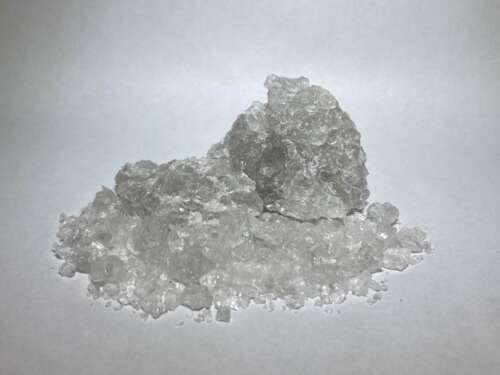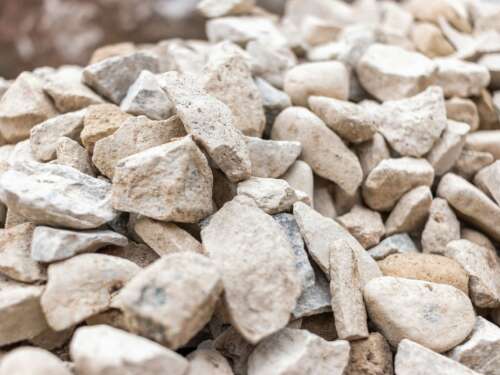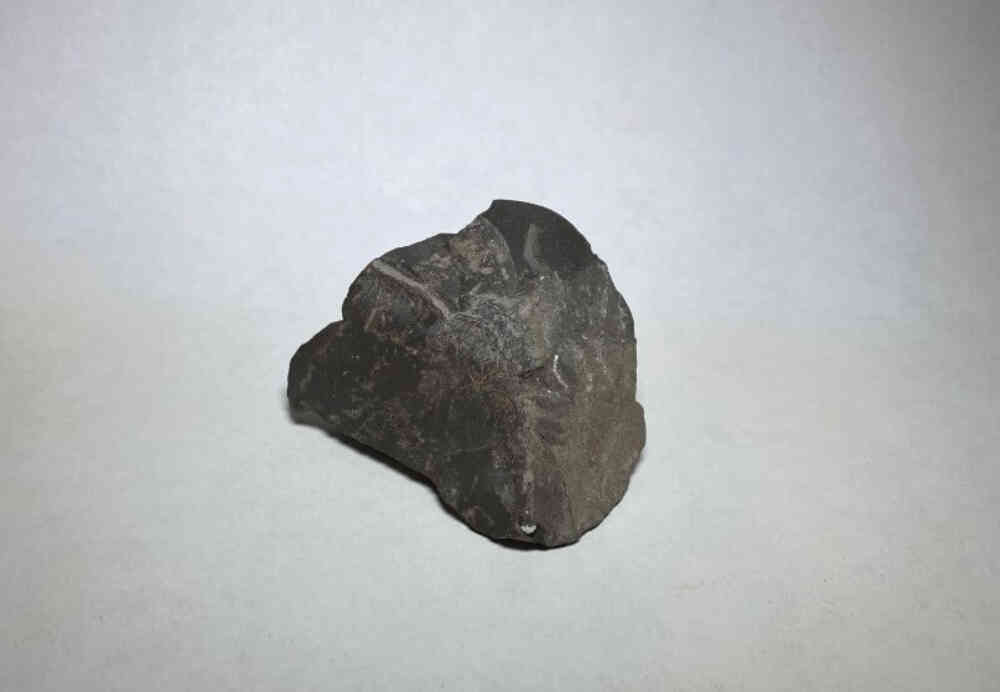
Copper is humankind’s oldest metal and remains one of the most used metals in the world. The oldest piece of copper was discovered in northern Iraq and dates back to around 8,700 B.C.E., according to the Copper Development Association Inc. in “Copper in the USA: Bright Future - Glorious Past.”
Copper has numerous properties that are beneficial, including high electrical and thermal conductivity, corrosion resistance and strength. Over half of the world’s copper is used for power transmission and generation, building wiring and electronics.
What is copper?
Copper is a metal that is ductile, malleable and conductive. It can be found in a number of mineral deposits, like azurite, malachite and chalcopyrite.
The ductile nature of copper allows it to be stretched or bent without breaking; its malleability allows it to be hammered or rolled into thin sheets without breaking. Copper’s malleability and ductility, as well as its conductivity, makes it the perfect material to create wiring used for electricity.
Copper is one of the only metals that occurs natively in nature, making it one of the first metals used by humans. Copper is naturally occurring in the Earth’s crust and can be found in various kinds of deposits. Copper minerals can be divided into five groups depending on their chemical composition.
- Native copper – pure copper
- Sulfides – copper + sulfur
- Oxides – copper + oxygen
- Carbonates – copper + carbon + oxygen
- Complex copper minerals – copper + iron, nickel, lead or other elements
These different types of deposits are formed in different environmental circumstances and are found throughout the world, with major reserves in Chile, Australia, Peru and Russia.
How is copper mined?
Like most ores, copper is extracted through surface and underground mining with in situ mining becoming a more common extraction method. Open pit mining, a type of surface mining, is the most commonly used method for extracting copper ore.
Surface mining
Surface mining involves removing layers of earth to access copper ore deposits that are located near the surface of the earth. Rock, soil and vegetation are blasted and removed. Benches are cut into the mine’s walls for access to ore as it is removed.
After removal, copper ore is transported to plants for beneficiation and processing.
Underground mining
Underground mining requires a vertical shaft to the ore. Tunnels are dug at various depths from the shaft to access the copper ore. As with surface mining, the collected ore is transported to a beneficiation plant for processing, milling and concentrating.
Solution (in situ) mining
The method of in situ recovery, or ISR mining, is when holes are drilled into minerals with copper ore deposits. A leaching solution is used to penetrate the copper ore and dissolve soluble metal. The solution, now containing copper ore, must then be processed at a solvent extraction and electrowinning plant.
How is copper processed?
There are two methods used in the United States to process and recover copper from ore: pyrometallurgical methods and hydrometallurgical methods. Pyrometallurgical processing uses smelting technology and is used to process sulfide ores, while hydrometallurgical processing involves leaching and recovery and is used to process oxide ores.
Prior to either of the two processes, the copper ore must go through a primary crushing operation. Copper ore is crushed into smaller pieces for further processing. Common equipment used for primary crushing of copper ore includes Jaw Crushers, Cone Crushers and Impact Crushers.
Pyrometallurgy
Pyrometallurgy begins with further reducing crushed iron ore into fine sand. The fine copper ore is combined with liquid to create a slurry. This slurry goes through the process of froth flotation, in which chemicals are added to the slurry to bind copper particles together.
The copper particles become hydrophobic and are sent to the top of the tank with air bubbles. Material that sinks to the bottom of the tank is disposed. The frothy, copper-rich bubbles are skimmed off the top of the tank and ready for thickening.
The froth is put into a Thickener, where the bubbles break and the solids in the froth settle to the bottom of the tank. The solids are separated from the liquid by chemical reagents.
The separated copper concentrate is smelted, creating matte and slag. Matte is a combination of copper, sulfur and iron, while slag is leftover impurities.
Copper matte produced from smelting contains around 60% copper and needs further heating to remove the iron and sulfur. Once heated, the material becomes blister copper, containing about 98% copper.
The blister copper goes through one final smelting in an anode smelter, resulting in 99% pure copper.
Hydrometallurgy
Hydrometallurgy begins with heap leaching, where the previously crushed ore is collected in a heap and a dilute sulfuric acid is percolated onto the material. The chemical solution percolates through the heap, dissolving the copper and discharging it into a collection pool. The collection pool contains copper concentrations of about 60-70%.
The pregnant leach solution, containing a mix of dilute sulfuric acid and copper sulfate, is combined with a solvent. The copper migrates into the solvent and impurities remain in the leach solution.
In the last step, electrical currents are sent through the copper solution, where the positively-charged copper ions are plated onto a cathode, resulting in 99% pure copper.
What is copper used for?
Copper has a number of uses, many of which are related to wiring and electrical applications. Copper also has architectural and hardware applications. It is also often combined with other metals to create alloys, including types of brass and bronze.
The first known uses of copper were extracted from native, or pure copper. It was one of the first metals ever used by humans, originally being used to create coins or ornaments, and eventually being used to create tools. Around 3000 B.C., humans began to mix copper with arsenic or tin to create alloys, like bronze.
Today, copper is primarily used in construction, power generation, electronics and transportation. It’s found in essential, everyday items including kitchen appliances, heating and cooling systems, and motors.
Other than its conductivity and malleability, copper has antimicrobial properties. This property makes it a popular choice for high-touch surfaces, like doorknobs and railings. It is also used in medical applications, for example implants or prosthetics.
What is the future of copper?
Copper’s wide range of applications and uses makes it a necessary material for the world. There is an estimated 870 million tons of global copper reserves. Copper is a largely recycled metal, meaning there is no immediate concern about depleting resources.
In the past 10 years, recycled copper has been used to meet over 30% of the world’s demand. To this day, copper is one of the most used and reused metals in the world.