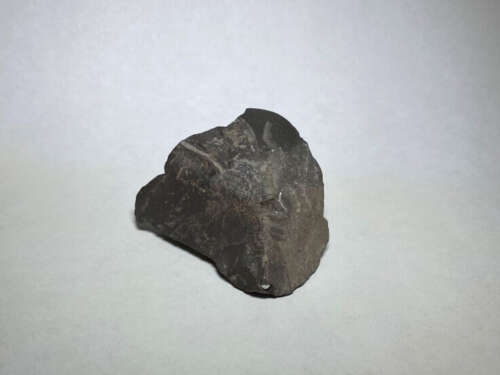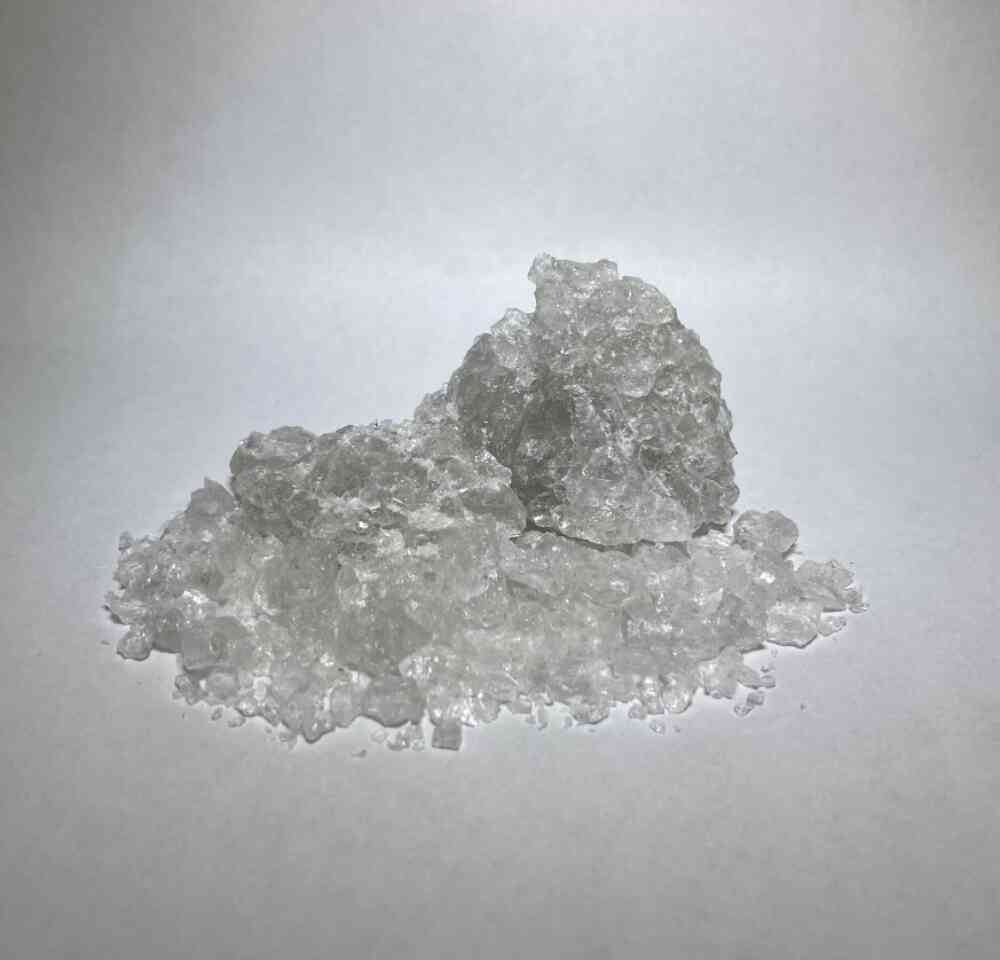
Salt is a naturally occurring mineral that can be found as rock salt or in seawater and salt brines. Sodium chloride is found all over the world and is an important part of our lives, whether you realize it or not.
Salt has been an influential mineral throughout the world’s history. Since ancient times, salt has been an important commodity, influencing trade routes and population migrations. While it serves nutritional benefits for the human body, it is also used in a range of industries and applications.
Not only has the mineral had a major influence on the world economy, but it is also crucial to human life and industrial processes around the world.
Where is salt found?
As it is a mineral, salt can be found in underground deposits, as well as in solutions or brines, such as oceans and lakes.
Countries with the largest salt deposits include China, the United States and India. As previously mentioned, salt deposits occur in different forms.
Rock salt
Rock salt, or halite, is a solid mineral form of salt and is the result of inland lake evaporation. Over thousands of years, naturally occurring mineral deposits were covered by sedimentation and geological formations. The mineral deposits crystallized and formed rock salt.
Because rock salt is surrounded by other minerals and sediments, it requires processing and purification before use.
Seawater and natural brines
Salt is naturally occurring in bodies of water, from oceans to lakes. Rainwater that falls on land erodes rocks and deposits sodium chloride ions into streams, rivers and oceans.
The accumulation of sodium chloride ions creates a concentration of salt that can be extracted from the water. The largest salt reserve in the world is in fact in the ocean, containing 18.76 million cubic kilometers of salt in volume.
How is salt mined?
Rock salt can be mined through two different methods. It can be collected through typical mining techniques, like cut and blast mining, or solution mining.
In a cut and blast mining operation, holes are drilled into the mineral deposit and then detonated to break up the mineral. Continuous mining utilizes a boring machine to collect the mineral deposit as the machine moves underground.
In solution mining, water is injected into salt deposits. Because salt is soluble, it can be extracted with water rather than removing rock from the earth.
The concentrated brine solution is pumped to the surface for evaporation and processing. Solution mining also applies to naturally occurring brines, such as those found in the ocean or lakes.
Regardless of how it’s mined, salt must undergo further processing to meet certain standards depending on its intended use.
How is salt processed?
Salt is processed depending on its method of extraction.
As rock salt is mined as large pieces of rock, it requires crushing and screening to refine the salt into a more manageable size and remove any impurities. Rock salt is not typically processed any further, as it is not often used for human consumption.
Salt collected through solution mining methods must be processed by solar evaporation or vacuum evaporation. Solar evaporation is typically used in warmer climates and uses the sun to evaporate water in the concentrated brines.
Shallow pools of salt brine are used, whether they are naturally occurring or artificial. These brines are left for long periods in warm, dry weather. As the water evaporates in the pools, salt precipitates are left behind and collected.
Vacuum evaporation is typically used in cooler climate conditions that don’t reach high temperatures for solar evaporation to work.
In vacuum evaporation systems, as the salt brine is processed through the system, pressure and heat evaporate the water and leave behind a salt slurry that requires drying in a centrifuge.
Similar to rock salt mining, salt collected from solution mining is screened into different sizes. If the salt is used for human consumption, it is further processed to remove any other mineral impurities.
What is salt used for?
Salt has a wide variety of uses due to its nutritional benefits and industrial applications.
Sodium chloride is most notably used in cooking, as it adds flavor to food while supplying necessary minerals for the human body. The human body requires sodium for nerve and muscle function and regulating bodily fluids. The chloride ions in salt help regulate blood pH and pressure, as well as produce stomach acid for digestion.
The world’s largest consumer of salt is the chemical industry. Sodium chloride is used for chemical synthesis, producing important chemicals like chlorine and caustic soda.
Chlorine is used as a disinfectant for drinking water and medicine. It is also used to manufacture plastics used in everyday life, including PVC, Polyurethane, Teflon and Neoprene. Caustic soda is also used in a range of applications:
| Petroleum industry: | Refining and desulfurization |
| Waste-water treatment industry: | pH-correction |
| Drinking water production: | Water softening |
| Chemical industry: | Manufacturing cleaning products |
Salt is often used in oil drilling to help increase mud and soil density for safer drilling rigs. It is also commonly used in medicine, including capsule pills, saline solutions and I.V. formulas.
Another major use for salt is for de-icing roads during cold seasons throughout the world. Salt’s freezing temperature is lower than ice, resulting in the ability to melt the ice efficiently.
The properties of salt lend it to be a valuable resource used across various industries.