

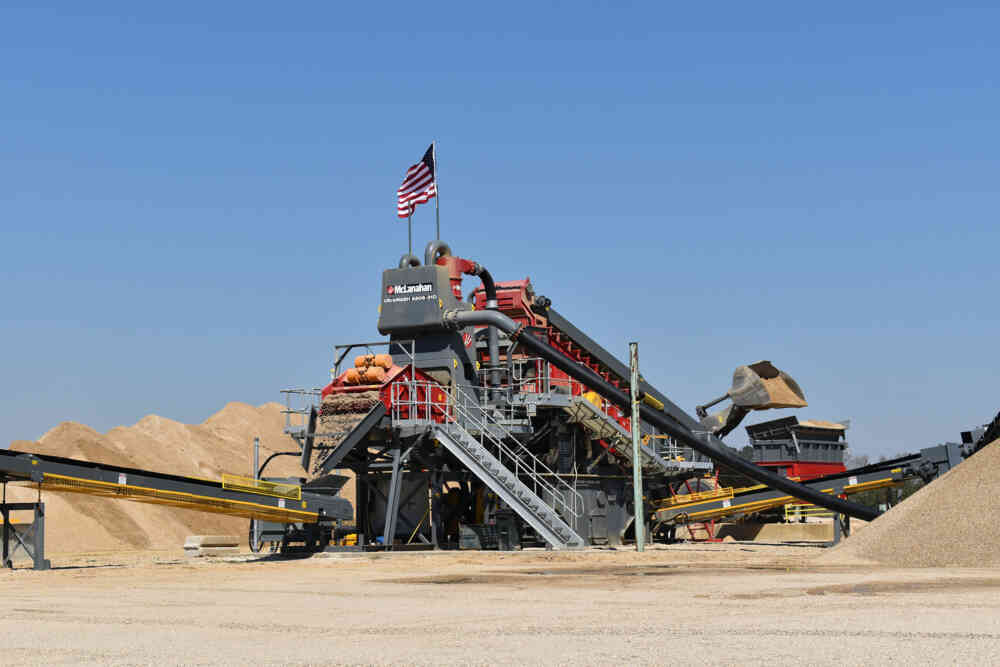
A well‑running wash plant is the center of a productive aggregate processing operation. When everything is dialed in, you get clean, consistent, in‑spec material with predictable throughput. But when something starts to go wrong, the plant will tell you, often long before a major failure occurs. The key is knowing what to look for and acting before small issues become costly downtime.
1. Out‑of‑Spec Product
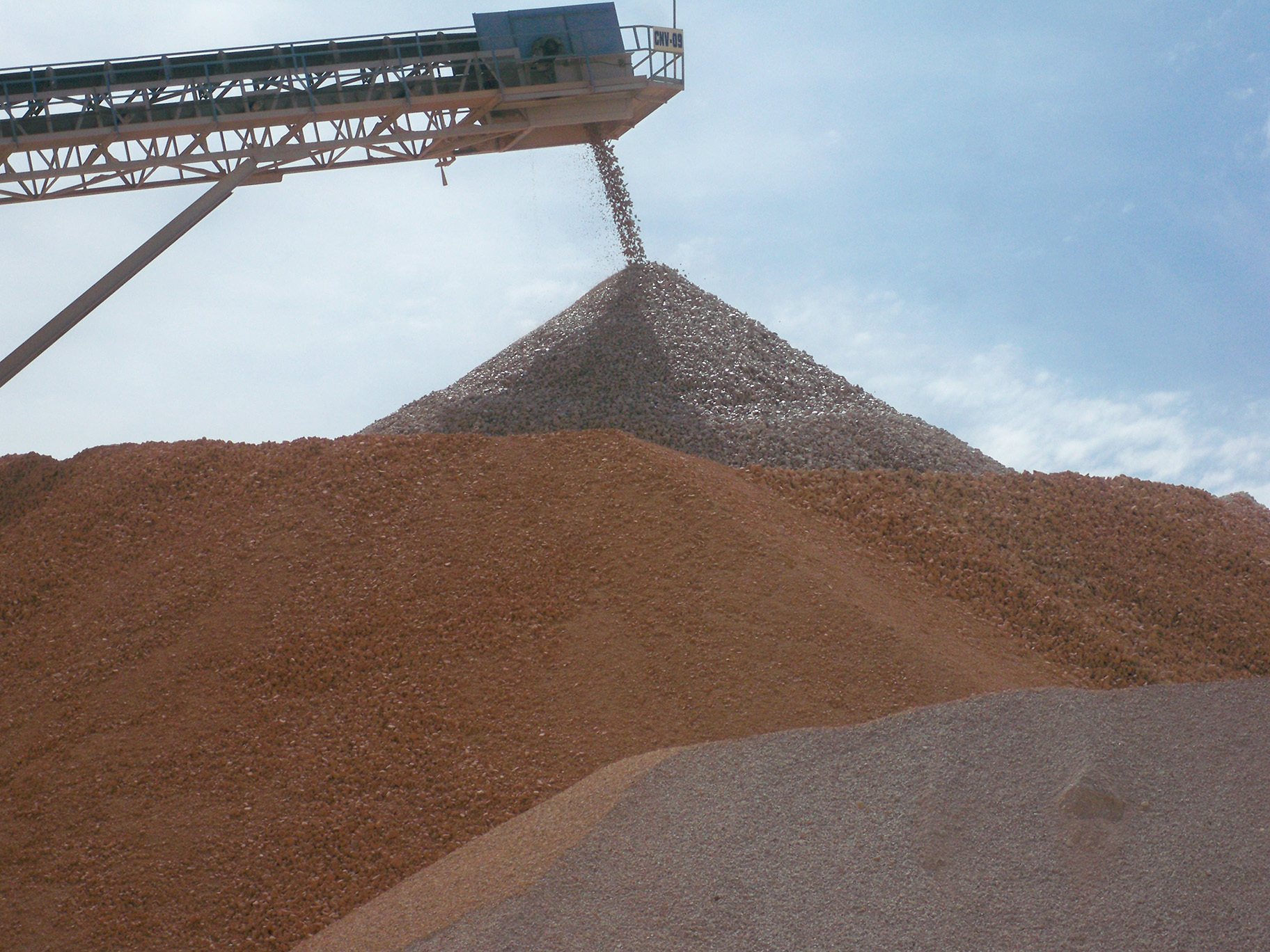
When your product gradation starts to not meet requirements, your wash plant is sending a clear message that it needs maintenance. Cyclones, Hydrosizers®, Screens and other classifying equipment are designed to deliver tight, predictable cuts. If you’re suddenly seeing too much fine material in your coarse product, or vice versa, something has changed inside the system.
Out‑of‑spec material often points to:
- Worn cyclone liners or apexes
- Improper feed pressure
- Screen media wear or blinding
- Misaligned or plugged classifying equipment
Even small wear inside a cyclone can shift the cut point enough to impact downstream performance. Use regular maintenance schedules to catch these types issues early to prevent rework, rejected loads, and unnecessary strain on the rest of the plant.
2. Higher Energy Consumption
Pumps are an important part of a wash plant, and they’re often the first place you’ll see rising energy usage. If your pump amps are going up, it’s rarely a coincidence.
Higher energy draw can indicate:
- Worn pump impellers or casings
- Increasing slurry density
- Line restrictions or partial blockages
- Bearings beginning to fail
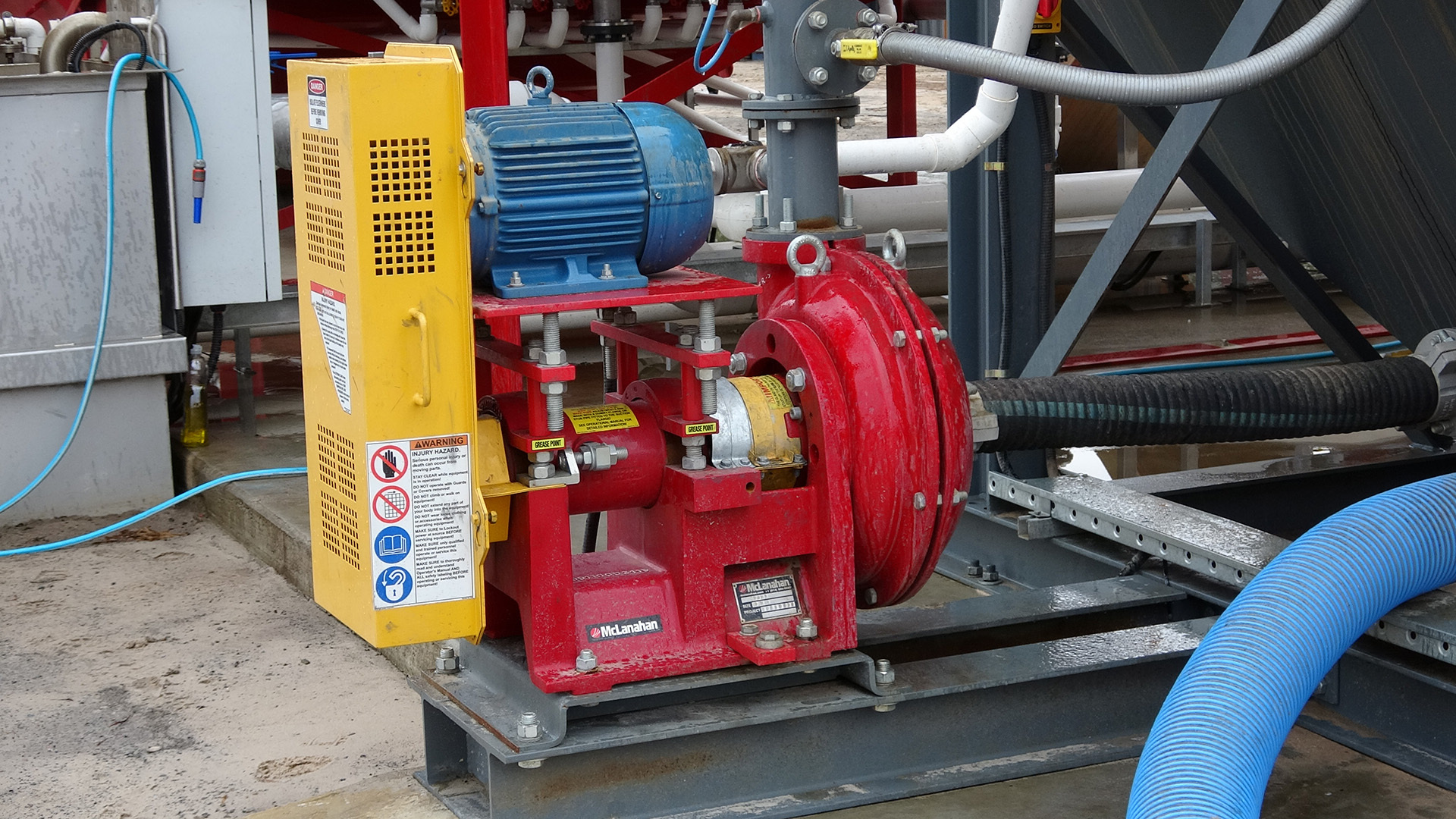
A pump that’s fighting to maintain flow is burning more power and burning through its lifespan faster. Monitoring energy trends gives you a window into internal wear long before a failure occurs.
3. Housekeeping Issues & Increased Spills
A clean plant is usually a healthy plant. When you start seeing more spills, buildup or unexpected water loss, it’s often a sign that something upstream is no longer operating as intended.
Common causes include:
- Loose or failing seals
- Misaligned chutes or spray bars
- Plugged underflow or overflow lines
- Worn gaskets or fittings
Spills can indicate inefficiencies that can escalate into equipment damage or contamination of finished product. Good housekeeping is more than aesthetics, it’s an early warning system.
4. Changes in Sound
Wash plants have a rhythm. When that rhythm changes, operators usually notice. Knocking, squealing, grinding, or high‑pitch whines are all signals that something mechanical is out of balance.
Sound changes often point to:
- Bearings beginning to fail
- Loose or worn drive components
- Vibrating screen issues
- Misalignment in rotating equipment
Ignoring unusual noises is one of the fastest ways to turn a minor repair into a major rebuild. Operators who trust their ears often catch problems before they show up anywhere else.
5. Time - Your Maintenance Records Tell the Story
Even if your plant seems to be running fine, time alone can be a sign that maintenance is due. Wash plants operate in abrasive, high‑impact environments, and components have predictable wear cycles.
Documenting maintenance allows you to:
- Track wear patterns
- Predict component replacement
- Schedule downtime strategically
- Prevent catastrophic failures
- Budget more accurately
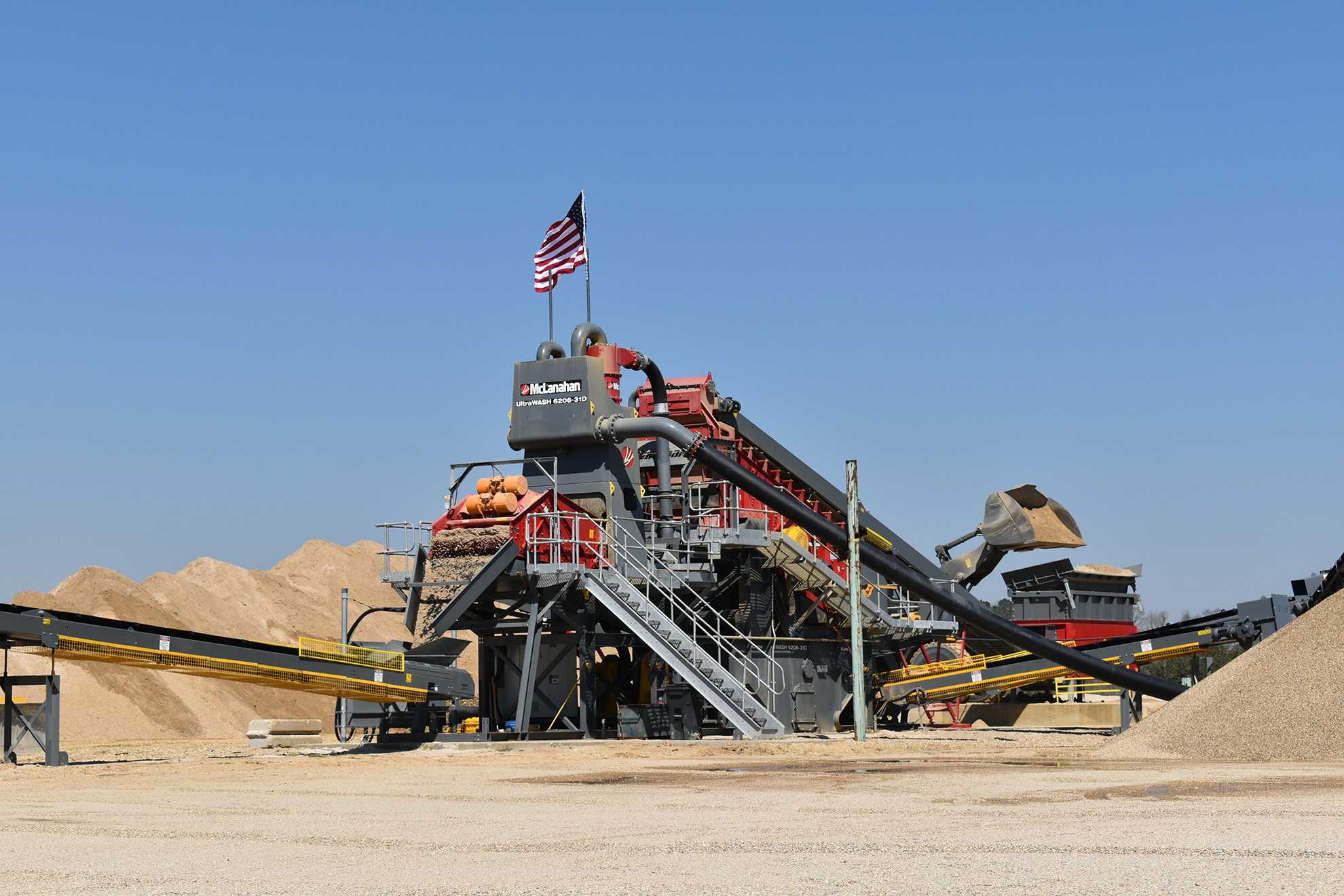
A well‑kept maintenance log is one of the most powerful tools in aggregate processing. It turns reactive maintenance into proactive planning, helping you stay ahead of failures instead of chasing them.
Your wash plant rarely fails without warning. Out‑of‑spec product, rising energy use, housekeeping changes, unusual noises, and predictable wear cycles are all signals that maintenance is needed. Operators who pay attention to these signs and act early keep their plants running efficiently, safely and profitably.


