

Manure management is unavoidable on dairy farms. Dealing with the more than 18 gallons of manure that each cow generates every day requires a significant investment by farms of all sizes.
Manure systems are multifaceted and must account for many factors, including number of animals, bedding choice, conveyance methods and manure processing or storage structures. Sand bedding provides excellent cow comfort benefits, but its abrasiveness and weight make it one of the most challenging materials to move through a manure system. Plus, manure management is often accompanied by challenging tradeoffs between environmental, economic, community and business priorities. As a result, manure management systems – which is the entire system of various components (handling, storage and application) – involve a balance of these tradeoffs.
How can a dairy farm ensure wise use of resources and optimize return on investments, especially on farms using sand and separating sand bedding?
Where To Begin
The simplest way forward is to assess the current state of the system. Begin working to solve current, specific pain points, such as sand recovery. Using this snapshot perspective helps avoid getting caught up in the details and prevents decision paralysis while setting the stage for future growth and success.
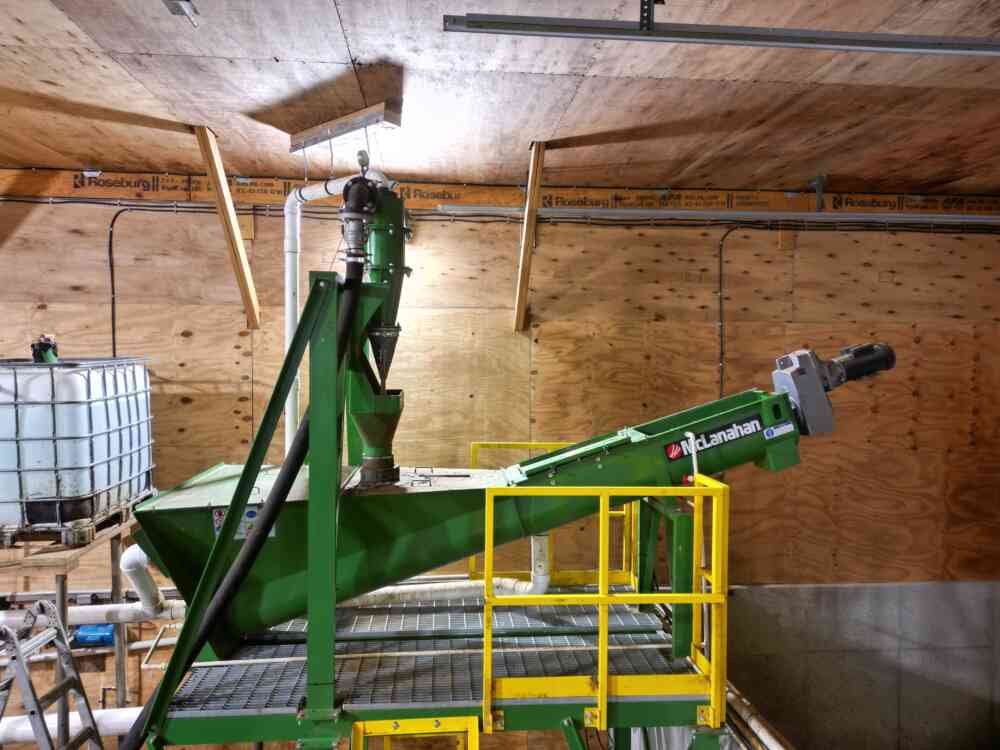
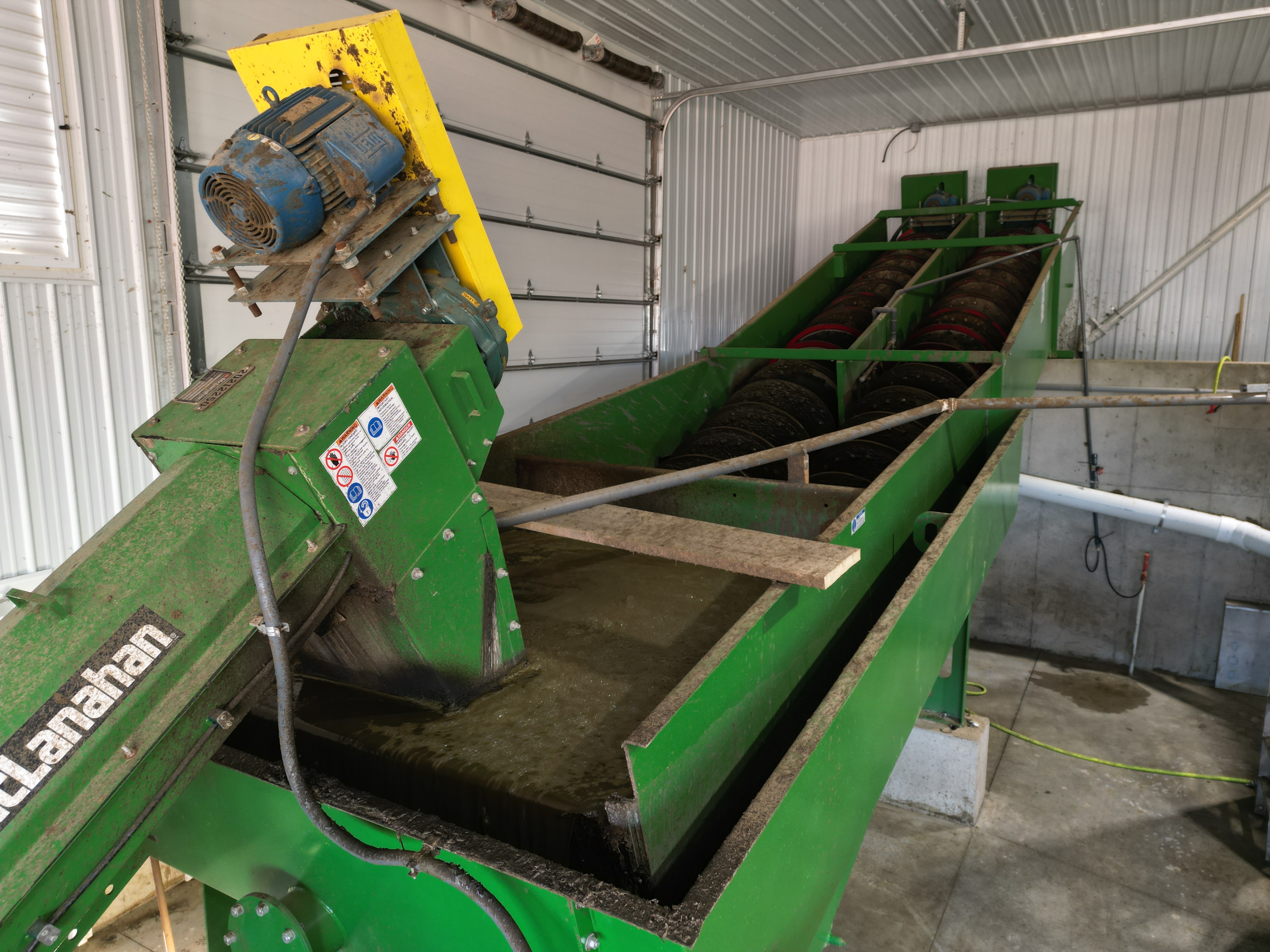
For example, a sand-bedded dairy’s immediate concern may be the increasing cost of sand, the rising cost of sand delivery or sand availability. In this case, it makes the most sense to explore how to best reclaim and recycle sand from manure. If a 2,000-cow dairy spends $20 per ton of sand and uses 50 pounds per cow per day on average, it would cost $365,000 a year for sand purchases. With a sand separation system that conservatively recovers up to 90% of sand for reuse, the dairy can save $328,000 a year on sand bedding. Many mechanical sand separation systems capture 90-95% of sand, making a 90% recovery rate a conservative estimate.
An immediate sand-recovery focus also makes sense for dairies concerned about excessive sand buildup in manure storage facilities or anaerobic digesters. Excessive sand will quickly add to expenses, increase wear and tear on equipment and affect soil quality. Dairies often save money on manure hauling when sand is removed before it gets to storage facilities. Since sand-laden manure is heavier than manure alone, it is not uncommon for custom applicators to charge more to deal with sand-laden manure. Hauling sand-laden manure accelerates wear on hauling vehicles, local roads and increases fuel consumption. Sand increases the solids content of manure, which can reduce storage capacity and shorten the pump-out interval, increasing overall handling frequency and cost. At an estimated hauling cost of $0.03 per gallon, that is an additional $30,000 per every 1 million gallons to haul sand-laden manure.
Additionally, removing sand from manure results in a more homogenous material that is better suited for field application. Farms no longer need to bring water back from lagoons to support mixing and application, because the separated manure is already more uniform and easier to pump. Ultimately, after separation, dairies already have a well-mixed product that can go into storage and be land-applied as needed, which can help maximize nutrients for field crops while helping to lower fertilizer expenses.
When done correctly, maximizing sand recovery can help reclaim some of the bedding cost immediately, but a sand separation system also aids with lagoon management and nutrient management goals.
Investment vs. Expense
Manure management must always be considered as part of the greater picture to maximize effectiveness and see a return on investment. Once the priority pain point is identified, it’s time to consider how a change in manure management will impact other factors, such as electricity, labor, gas, maintenance, depreciation and additional building costs. For example, in the Midwest, equipment must be protected against wintry conditions, and it is essential to keep manure from freezing so it can be processed 24-7. As a result, a Midwest dairy would need to factor in building costs if they were adding a manure management system.
Knowing these details and where to invest helps guide the next steps and visions for the future of the dairy, such as expansion plans, desired changes for manure handling and labor requirements.
Finding Savings
The more these factors are considered at the beginning of any plans, the more longevity, cost-effectiveness and faster return on investment are built into the system. For example, following an upgrade to the manure management system, maintenance costs and labor needs may change.
A better, more effective layout and easier access to the equipment will make it more efficient to operate and maintain. Installing a flume or horizontal manure auger can change the way manure is handled and save hours in the barn. Ultimately, somebody must manage the system. Saving hours scraping manure means the team can put those hours toward doing something else on the dairy – whether that is leveling stalls to improve cow comfort, more thoroughly cleaning pens, removing sand from the sand building or putting their skills to work elsewhere on the farm. Dairies have documented that by putting in a flume to convey manure rather than scraping, an employee was in a skid-steer up to 10 fewer hours than when the farm used its previous methods, allowing the employee to do multiple other tasks. Many dairies find that labor savings alone can contribute significantly to the payback period of a manure system upgrade.
Ideally, manure system components build on each other and are part of a longer-term vision. For instance, sand separation and recycling solutions must be precursors to discussions and implementation of anaerobic digester technology. By starting with one identified challenge, an efficient path can be mapped out for future growth and improvements.
Key Takeaways
Intentional manure management isn’t just barn-level improvement, it’s a strategic investment with measurable returns across the entire dairy. By starting with the most pressing challenge, such as rising sand costs or excessive sand accumulation in storage, dairies can immediately reclaim value while laying the groundwork for long-term manure system efficiency. When sand is effectively recovered and recycled, dairies save on bedding, reduce hauling and equipment wear, improve nutrient consistency for land application and gain operational efficiencies.
Every component of a manure system influences the next. Taking time to evaluate current bottlenecks, understand cost drivers and consider future goals ensures that each decision builds toward a more resilient, cost effective and sustainable operation. With the right separation and handling strategy in place, sand-bedded dairies can capture real ROI today while positioning the farm for stronger performance and smarter growth tomorrow. By building systems that reduce costs today while supporting technologies like anaerobic digesters tomorrow, dairies position themselves for long-term success.


