Bedding Choices on Dairy Farms
Bedding plays a significant role in rest and rumination time for dairy cows. The right material can support comfort, health and consistent performance, not to mention make daily management more efficient.
Sand and composted solids are the two most popular bedding choices thanks to the comfort they offer. In the United States, the split is pretty even with about 28% to 30% of dairies using sand and 26% to 28% using manure solids, according to Texas Dairy Matters.
Composted manure solids are a cost-effective bedding choice for cows, especially if you have plenty of material on hand from anaerobic digestion. However, you must manage these materials correctly to achieve success.
Advantages of Manure Solids
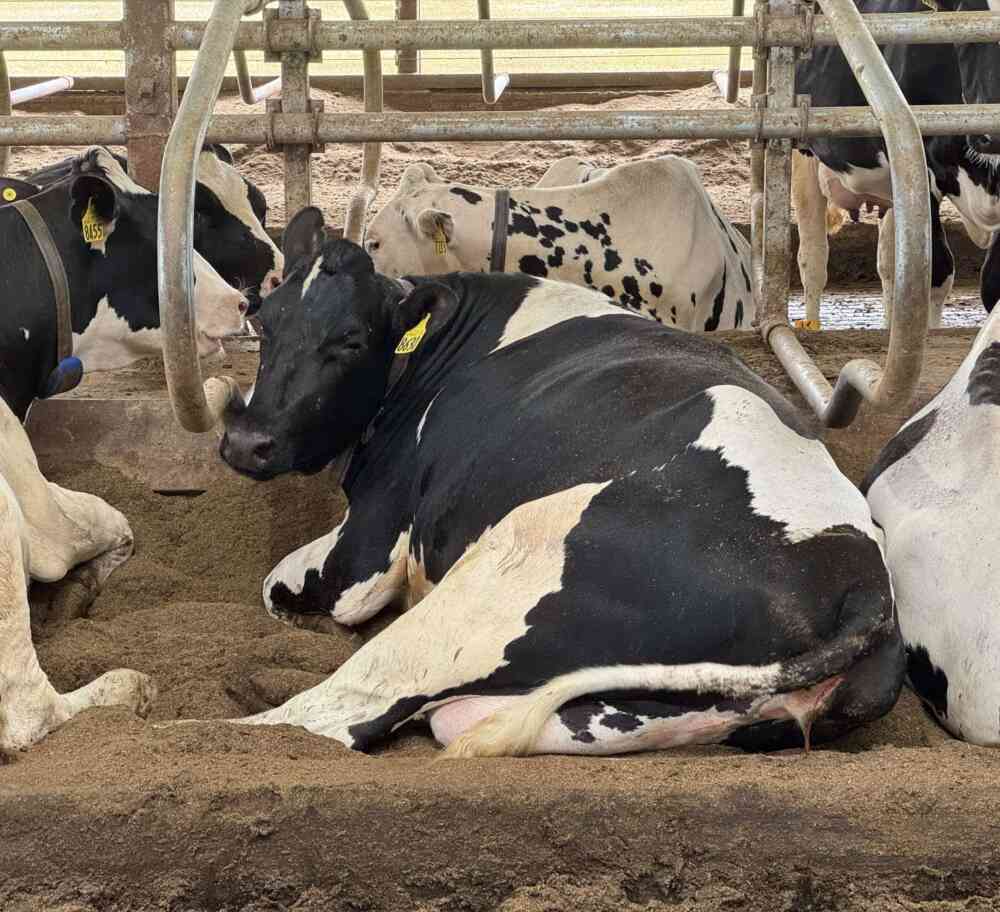
Manure solids are readily available from the herd, making this a cost-effective bedding choice. Stalls can still be deeply bedded with manure solids like they can be with sand. Manure solids are soft, comfortable and stay loose in the stalls, providing additional comfort to cows during lying time. Additionally, they are recyclable, which helps reduce environmental impact. In cold regions, manure solids provide a thermally warm place for cows to rest during cold winter temperatures.
Challenges with Manure Solids
Manure solids are organic, so there is a potential for bacteria to grow and impact udder health and somatic cell count. Cows will spend up to 14 hours per day lying in a stall. During this lying time, the teat ends have the greatest likelihood of being infected with bacteria that will eventually lead to a higher somatic cell count. They require an intense management program, with new bedding required to be added at least daily to limit bacteria growth and keep stalls dry. Manure solids are harder to keep dry and wet material must be removed frequently. Finally, inconsistency can be an issue, particularly if the environment is wet or humid.
Managing Manure Solids
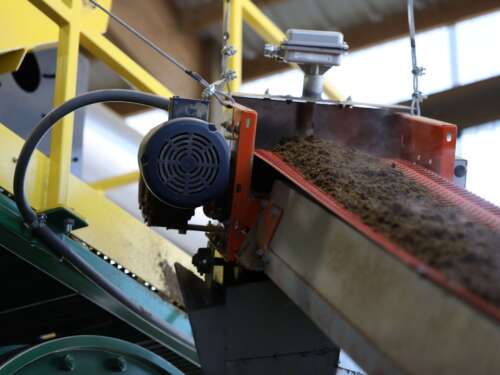
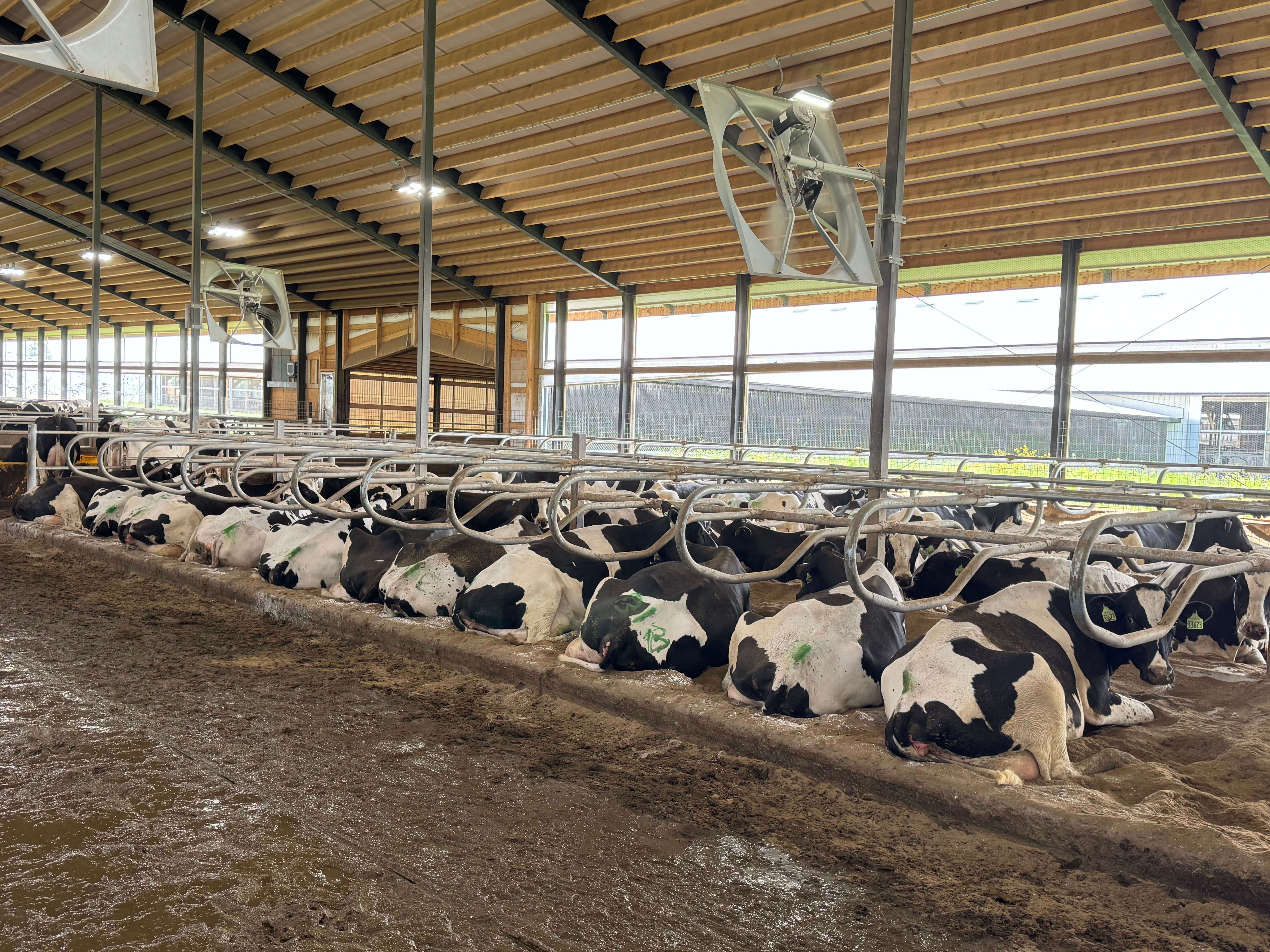
Manure solids require a more hands-on management approach compared to sand bedding. It’s still important to fill stalls with six to eight inches of bedding. They can be mechanically separated using screw presses or slope screens to remove the liquid from raw manure. Additionally, if the dairy has an anaerobic digester, digestate - the residual material left after the digestion process, can also be used as bedding. Digestate is pumped from the anaerobic digester and needs to be dried further before being used as bedding.
Manure solids can be naturally dried through processes like windrowing or composting, mechanically dewatered through a screw press or roll press and mechanically dried through a manure bedding dryer. Drier bedding is also capable of absorbing more moisture in stalls and alleys, keeping cows cleaner. Bacteria need three things to thrive: moisture, heat and food (organic matter). Take any one of these away, and you will greatly reduce the ability of mastitis-causing organisms to survive. That’s why it’s so important that dairies thoroughly dry their recycled and manure solids bedding material.
A Manure Bedding Dryer removes the most moisture in recycled bedding, killing harmful pathogens and decreasing their ability to grow, ultimately reducing somatic cell count. Reducing the bedding moisture down to 50% means less water is reintroduced into the stalls and barn. For example, a 1,000-cow herd that may use an average of 30 pounds of manure solids per cow per day, reducing the moisture from 70% down to 50% means an average of 1,440 gallons of water being kept out of the stalls every day. This equals more than one gallon of water per stall.
After manure solids are dried, they can be used in the stalls right away. If storage is required, they should be kept in a covered, well-drained area to prevent rewetting and preserve the benefits of drying. Improper storage can quickly reintroduce moisture and increase the risk of bacterial growth before bedding ever reaches the stalls.
Balancing Moisture Control, Comfort and Performance with Manure Solids
Dried manure solids can be a practical, cost effective bedding option when managed correctly. Their availability, cow comfort and recyclability make them an attractive alternative to sand, particularly for dairies already handling manure through separation or anaerobic digestion systems. In colder climates, their natural warmth can further support cow comfort during winter months.
Success with manure solids hinges on controlling moisture throughout the entire process—from separation and drying to storage and stall management. Because bacteria thrive in warm, wet, organic environments, thoroughly dried bedding and clean, dry stalls are essential to protecting udder health and maintaining somatic cell count. When dairies prioritize drying, proper storage, daily bedding maintenance and adequate stall depth, manure solids can support cow comfort, cleanliness and consistent herd performance while keeping excess moisture out of the barn.