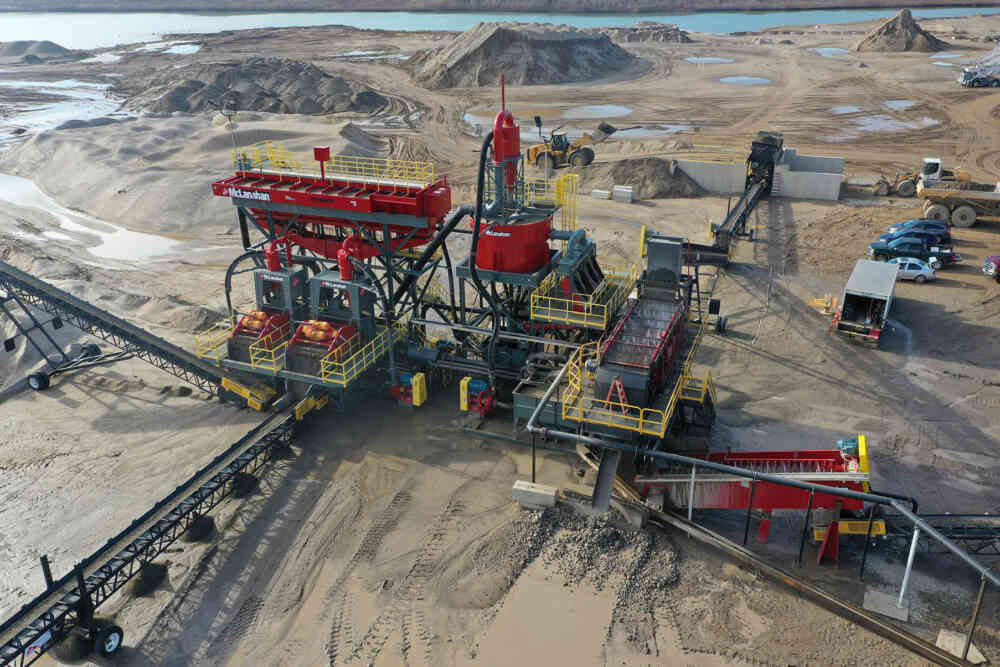
Building a new aggregate plant is a significant investment that requires careful planning long before equipment is installed. The most successful operations are designed not only to meet today’s production goals, but also to accommodate future growth, changing market demands and evolving environmental requirements.
When determining the type of processing plant you want to install at your site, you want a configuration that will give you the highest quality product with the best return on investment.
Key Considerations When Building an Aggregate Plant
Successful aggregate plant design depends on more than just equipment selection. Operators should evaluate:
- Deposit size and uniformity
- Plant flexibility
- Future expansion opportunities
- Maintenance planning
- Tailings management
- Regulatory and environmental requirements
- Automation and data visibility
Addressing these key factors early in the planning process can help reduce risk, improve uptime and create a more profitable operation over the life of the plant.
1. Prove Deposit Size and Uniformity
Accurately evaluating the deposit is one of the most important steps when planning a new aggregate plant. The most accurate ROI calculations are based on comprehensive drill data throughout the breadth of the deposit.
Understanding characteristics such as size and depth of the deposit and the consistency of the reserve gives operators better insight into mine planning and more confidence to investors. This knowledge helps producers make better equipment selections and develop more accurate production forecasts.
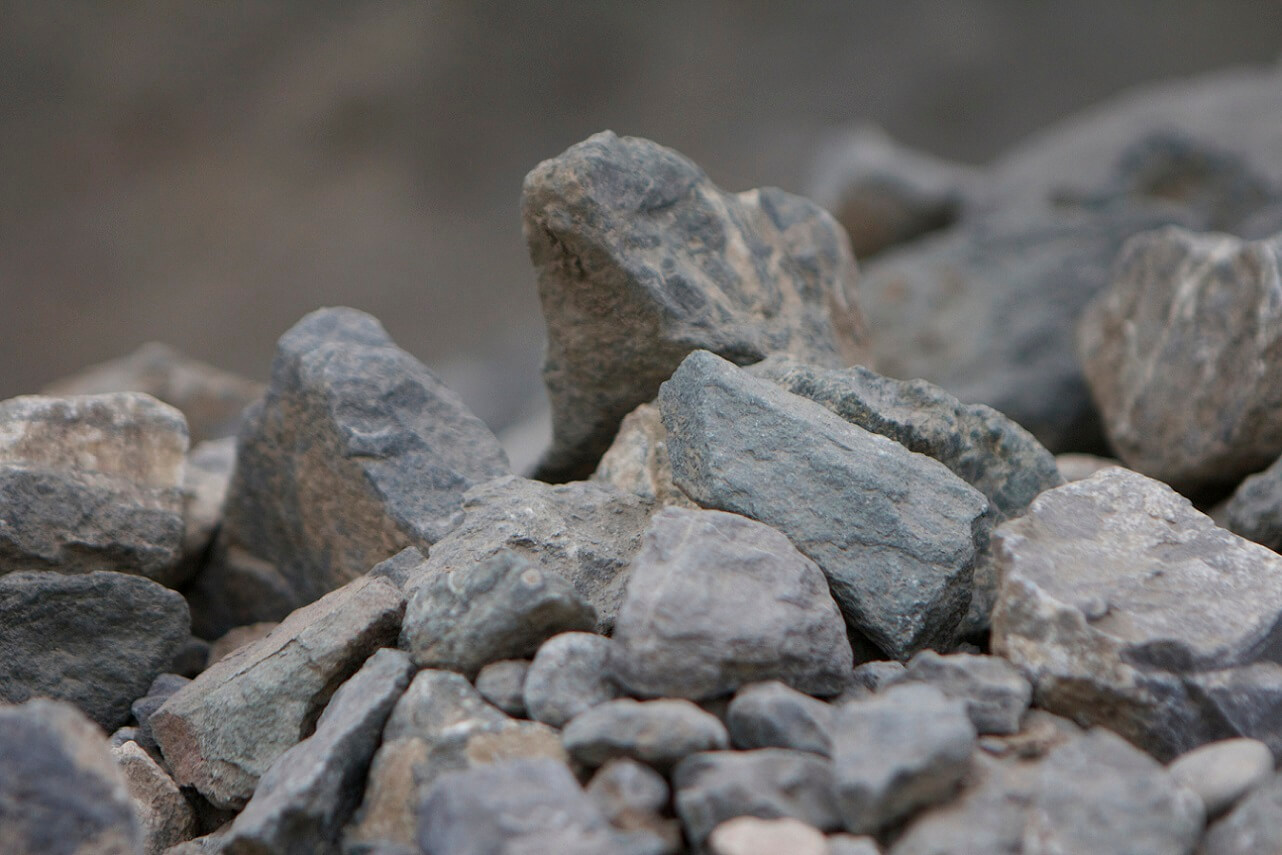
Proper valuation of a deposit can also determine potential valuable byproducts in addition to the primary aggregate products. There may be a higher value mineral or simply a size fraction that would otherwise go to waste. Identifying the full range of minerals in a deposit with the help of a geologist is the best way to maximize a mine site’s profitability.
2. Design a Flexible Processing Plant
Plant designs are often based on average feed conditions, but aggregate deposits rarely contain same material every day. Evaluating the full range of feed conditions helps ensure the plant can continue operating efficiently over time.
When designing a new aggregate plant, operators should evaluate material data from across the entire reserve, not just the average feed. Comparing the coarsest, finest and most typical material expected from the site helps ensure the selected equipment can perform effectively under a range of operating conditions. This approach can also help identify potential production bottlenecks before the plant is built.
Market demands can change over time as infrastructure projects, housing activity and customer specifications evolve. Designing flexibility into the process flow, stockpile layout and equipment selection allows producers to adjust to changing conditions and product requirements without major plant modifications, bottlenecks or reduction in product quality.
3. Plan for Future Expansion
Many aggregate operations eventually require additional production capacity. Planning for future growth during the initial design phase can significantly reduce the cost and complexity of future expansion projects.
Site layout is the most critical part of planning. It is much easier to replace a few pieces of equipment than to rearrange an entire system. Leaving room for additional equipment, conveyors, stockpiles and supporting infrastructure can make future upgrades much easier to implement later.
In some cases, modest investments in larger-capacity equipment during the initial build may provide substantial cost savings when production demands increase later. For example, getting a bid for a higher feed rate than what is initially required may reveal that the equipment’s capacity is doubled for as little as a 20% increase in price. Upsizing this equipment and the conveyors during the initial build can amount to significant savings when an expansion is added in the future.
4. Schedule Maintenance Downtime
No operator wants to shut down when everything is going smoothly, but planned maintenance is almost always less costly than unexpected repairs. It is easy to get behind your maintenance schedule and put off maintenance until something goes wrong, but an unplanned shutdown can mean hours of digging out conveyors and equipment or replacing parts that were never meant to see wear.
Planning equipment runtime based on manufacturer-estimated levels allows for scheduled maintenance so that wear parts are replaced rather than the steel body of equipment or beams from the structure. Analyzing wear patterns also gives insight into what parts will need to be replaced next. Long lead time items may then be ordered preemptively, reducing downtime and further improving system uptime. Unplanned shutdowns may still happen, but they are much less likely if proper care is taken of the system.
5. Consider All Tailings Management Options
As water resources become more limited and environmental expectations continue to increase, tailings management has become an important part of aggregate plant design.
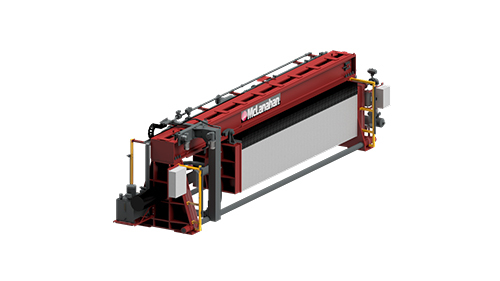
Modern technology such as fines recovery systems, thickeners and filter presses helps reduce the volume of material sent to settling ponds while recovering water for reuse in the process. Depending on the materials being processed, these systems can also create additional saleable products.

A fines recovery system may significantly reduce the amount of fines sent to the pond. This can cut cleanout costs in half and may provide a sellable product based on the material. The next step is to recover the process water and thicken the solids in the tailings to greatly reduce pond size and provide process water at the wash plant, saving horsepower on water pumps. The last stage is to take the thickened solids and press them into a cake. This allows for the complete elimination of settling ponds, opening up land for mining, eliminating costs of cleaning out those ponds and, sometimes, adding a sellable product.
6. Understand Regulatory and Environmental Requirements Early
Permitting and environmental compliance can have a major impact on project schedules, plant design and overall project costs. Addressing these requirements early can help avoid delays and costly changes during construction.
Before finalizing plant designs, operators should evaluate air quality requirements, water-use restrictions, noise restrictions, land-use regulations and reclamation obligations. Failing to account for these requirements early can lead to costly redesigns and project delays. Environmental considerations should be incorporated into site layout, water management systems and equipment selection from the start.
7. Plan for Automation and Plant Data Visibility
Automation is becoming increasingly important as aggregate producers look for ways to improve efficiency, reduce downtime and optimize production.
Modern control systems can provide real-time visibility into plant performance, production rates and maintenance needs. Examples of automation and data visibility include centralized control systems, remote equipment monitoring, production dashboards and automated process adjustments.
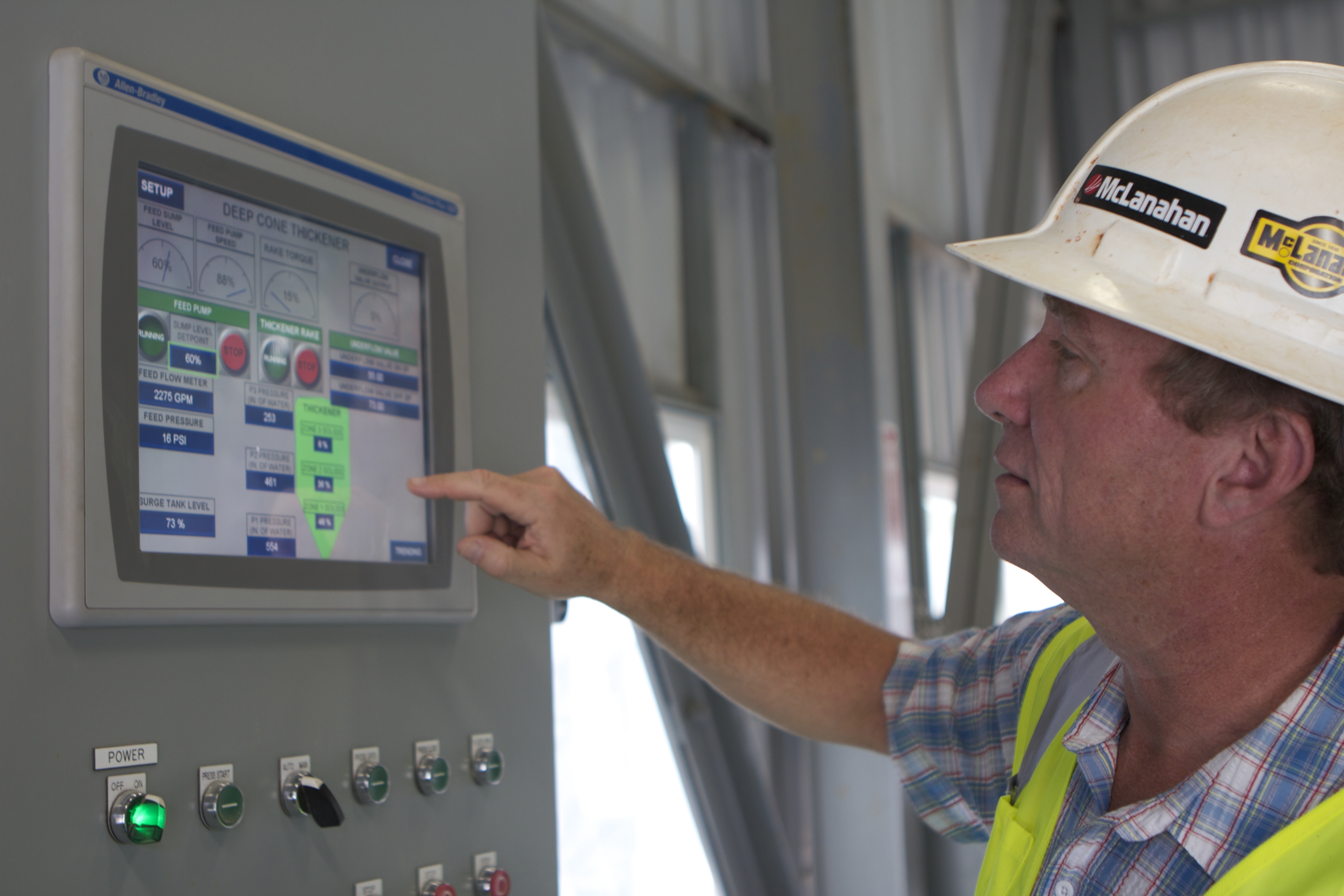
Incorporating these capabilities during the design phase is often more cost-effective than retrofitting them later. Access to accurate operational data helps operators identify inefficiencies, respond to issues more quickly and make better decisions that support long-term plant performance.
A Comprehensive Approach to Planning a New Aggregate Plant
Building a successful aggregate plant requires more than selecting the right equipment. Understanding the deposit, designing for flexibility, planning for future growth and implementing a proactive maintenance strategy are all critical to long-term success.
Operators should also evaluate tailings management, regulatory requirements and automation opportunities early in the planning process. Taking a comprehensive approach to plant design can help reduce risk, improve efficiency and maximize return on investment throughout the life of the operation.
If you need assistance determining the best solution for your new aggregate plant, McLanahan can help.